Revolutionizing Hearing: The World of Cochlear Implants

Introduction
Imagine a world where sound is muffled or non-existent, where the laughter of loved ones, the melodies of music, and the sounds of nature are mere whispers. For millions of people worldwide who suffer from severe to profound hearing loss, this is their reality. However, thanks to remarkable advancements in medical technology, a life-altering solution has emerged - cochlear implants. This groundbreaking innovation has revolutionized the way we perceive and treat hearing impairment, offering new hope and opportunities to the deaf community.
Understanding Cochlear Implants
Cochlear implants are sophisticated electronic devices designed to bypass damaged or non-functional parts of the inner ear (cochlea) and stimulate the auditory nerve directly. Unlike hearing aids that amplify sounds, cochlear implants convert sound into electrical signals, allowing the brain to interpret them as meaningful auditory sensations.
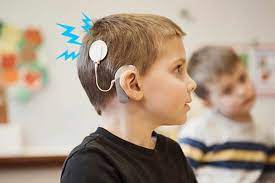
The implant consists of two main components: the internal implant and the external processor. The internal implant is surgically placed beneath the skin behind the ear, while the external processor captures sounds from the environment and transmits them to the implant through a magnet.
The Journey to Hearing
The process of receiving a cochlear implant begins with a thorough evaluation by an audiologist and a medical team. Candidates for cochlear implants typically include individuals with severe to profound sensorineural hearing loss, who have limited benefit from conventional hearing aids.
Once determined eligible, the surgery is performed by an experienced ear, nose, and throat surgeon. The internal implant is gently placed into the cochlea, and the incision is closed. The patient then enters a period of healing and activation.
Activation and Rehabilitation
After the surgical site has healed, the external processor is connected to the internal implant, and the audiologist activates the device. For many recipients, this moment is nothing short of a miracle. They may hear sounds they have never experienced before or rediscover familiar sounds that were lost.
However, hearing with a cochlear implant is not an instant process. It requires dedication, practice, and rehabilitation to learn how to interpret the new auditory signals effectively. Audiologists and speech-language pathologists play a crucial role in guiding recipients through this journey, offering therapy sessions to enhance speech comprehension and communication skills.
Benefits and Challenges
The benefits of cochlear implants are immeasurable, especially for those who have lived with hearing loss for a significant portion of their lives. Improved speech understanding, enhanced communication, and the ability to enjoy music and environmental sounds are some of the life-changing advantages.
Nevertheless, cochlear implants are not a cure-all solution. While they can offer substantial benefits, individual outcomes vary based on factors such as age, duration of hearing loss, and overall health. Additionally, some recipients may face challenges, including adjusting to new sounds and managing expectations during the rehabilitation process.
Advancements in Technology
Over the years, cochlear implant technology has seen remarkable advancements. Smaller and more efficient internal implants, sophisticated external processors, and improved signal processing algorithms have all contributed to better hearing outcomes and reduced interference with daily activities.
Moreover, research in neuroplasticity and electrode design has led to promising developments in preserving residual hearing and enhancing music perception, further broadening the scope of cochlear implants.
Conclusion
Cochlear implants have unquestionably revolutionized the world of hearing, providing an extraordinary opportunity for those with severe hearing loss to regain a sense many of us take for granted. As technology continues to evolve and our understanding of the auditory system deepens, the future holds even greater promise for the deaf community. With increased awareness and access to these life-changing devices, the world is becoming a more inclusive place, where everyone can experience the beautiful symphony of sounds that surrounds us.