Orthodontics Market (2023-2030): Exploring Direct-to-Consumer Orthodontics

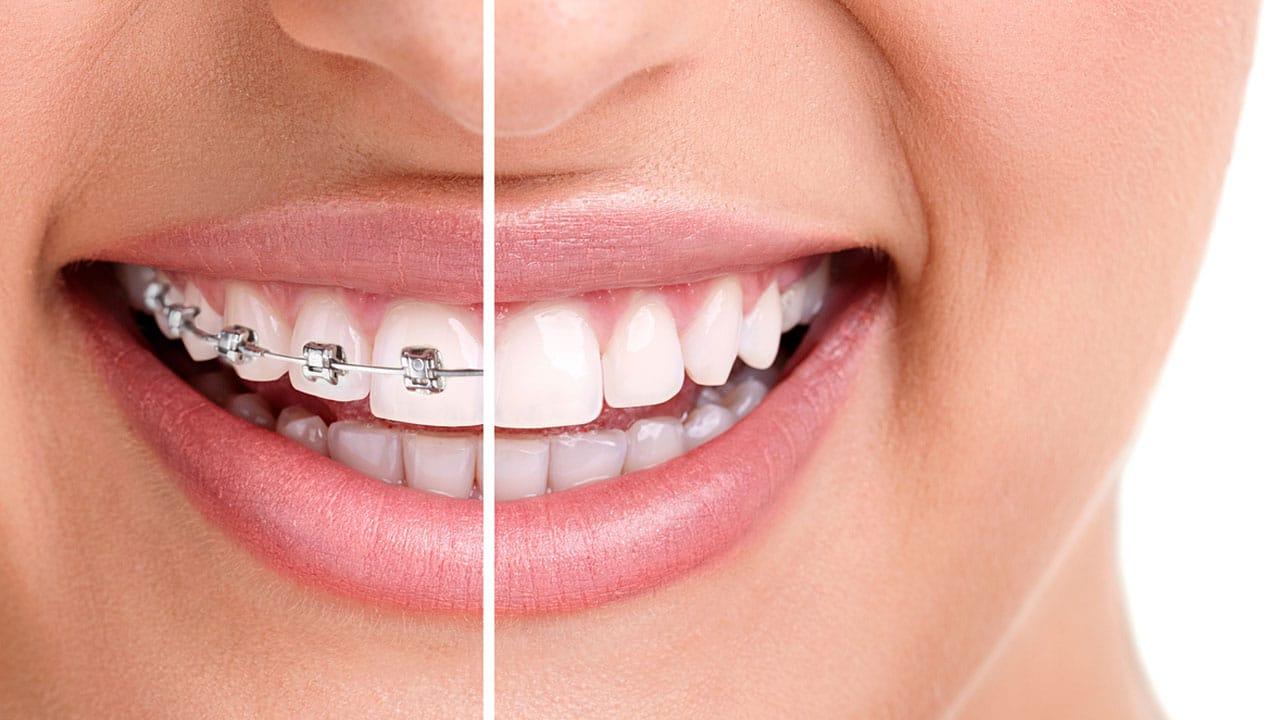
The Orthodontics Market has witnessed a significant shift in recent years with the advent of direct-to-consumer orthodontics. This innovative approach allows individuals to straighten their teeth from the comfort of their homes, without the need for frequent visits to orthodontic clinics.
Direct-to-consumer orthodontics, also known as at-home or remote orthodontics, involves providing orthodontic treatment to individuals without in-person visits to an orthodontist's office. This approach typically employs clear aligners or other removable orthodontic devices that are mailed directly to the patient's home. The treatment process often includes digital scans or impressions of the patient's teeth, which are then used to create customized treatment plans.
Advantages of Direct-to-Consumer Orthodontics:
- Convenience: One of the primary benefits of direct-to-consumer Orthodontics Market is convenience. Patients can undergo treatment without the need for frequent visits to an orthodontist, saving time and travel expenses.
- Cost-Effectiveness: In some cases, direct-to-consumer orthodontic options may be more affordable compared to traditional orthodontic treatments, making them accessible to a broader range of individuals.
- Aesthetics: Clear aligners used in direct-to-consumer orthodontics are virtually invisible, offering a discreet treatment option for individuals concerned about the appearance of traditional braces.
- Remote Monitoring: Many direct-to-consumer orthodontic providers offer remote monitoring through mobile apps or online platforms, allowing orthodontists to track the progress of treatment and provide guidance as needed.
Challenges and Limitations:
- Suitability and Complexity: Direct-to-consumer orthodontics may not be suitable for individuals with more complex orthodontic issues, such as severe misalignments or bite problems, which require in-person assessments and interventions.
- Lack of Personalized Supervision: Unlike traditional orthodontics, direct-to-consumer treatments may lack the direct supervision of a qualified orthodontist, potentially leading to suboptimal results or increased treatment duration.
- Compliance and Responsibility: Successful orthodontic treatment relies on patient compliance. Without direct oversight, some patients may not wear the aligners as prescribed, compromising the treatment's effectiveness.
- Risk of Misdiagnosis: In cases where an in-person examination is necessary, remote treatment may not accurately diagnose underlying dental issues, potentially leading to inappropriate treatment plans.
Impact on the Traditional Orthodontics Market: Direct-to-consumer orthodontics has disrupted the traditional Orthodontics Market by offering an alternative option for teeth straightening. While it appeals to a segment of the population seeking convenience and cost-effectiveness, traditional orthodontics continues to be the preferred choice for complex cases and those desiring personalized care.
Conclusion: Direct-to-consumer orthodontics represents a novel approach to teeth straightening, providing convenience and affordability to certain individuals. However, it is essential to recognize its limitations and potential risks, as well as the continued importance of traditionsal orthodontics for complex cases. Striking a balance between innovation and patient safety will be crucial as the Orthodontics Market continues to evolve to meet diverse patient needs.