Nisin Market 2017-2025: Environmental and Sustainability Impact

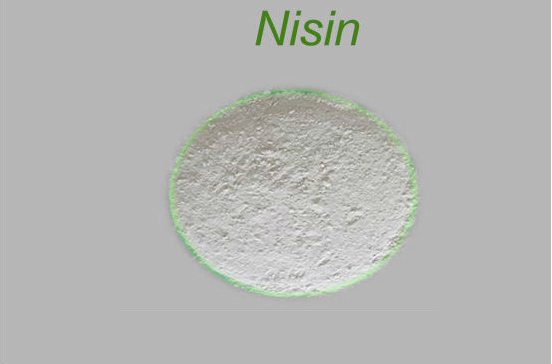
As the demand for safe and preservative-free food products rises, nisin, a natural antimicrobial peptide, has gained significant attention as an effective alternative to synthetic preservatives. One of the primary advantages of nisin is its eco-friendly profile. Being derived from the fermentation of natural microorganisms, it is biodegradable and leaves behind no harmful residues in the environment. Unlike synthetic preservatives, nisin breaks down into harmless components over time, reducing its environmental impact.
Nisin's effectiveness in preventing spoilage and extending the shelf life of food products directly contributes to reducing food waste. By inhibiting the growth of harmful bacteria and fungi, nisin helps maintain the freshness of perishable items, such as dairy products, meats, and baked goods. This leads to fewer discarded food items and, in turn, a positive environmental impact by reducing the burden on landfills.
In the context of sustainable agriculture and animal husbandry, nisin plays a crucial role. When used as a feed additive, it can improve animal health and reduce the need for antibiotics in livestock farming. This not only helps maintain the health and welfare of the animals but also addresses concerns related to antibiotic resistance, a significant environmental and public health issue.
In 2016, the Nisin Market valuation stood at US$ 489.58 million, as stated by Coherent Market Insights, with a projected CAGR of 4.6% in revenue from 2017 to 2025. Nisin, a natural antimicrobial peptide, finds widespread application in the food industry as a preservative, driven by the rising consumer preference for clean-label products and prolonged shelf life. The market is forecasted to experience substantial growth, attributed to its efficacy against diverse pathogens and environmentally friendly characteristics.
The production of nisin through fermentation is generally energy-efficient and requires fewer resources compared to the synthesis of certain synthetic preservatives. As a result, the carbon footprint associated with nisin production is relatively lower, contributing to overall sustainability efforts in the food industry.
Challenges and Considerations: Despite its eco-friendly nature, the Nisin Market is not without challenges from an environmental perspective:
- Agricultural Practices: The cultivation of crops and the raising of animals to produce the necessary substrates for nisin fermentation can impact the environment if not managed sustainably. Ensuring responsible agricultural practices is crucial to maintaining the ecological balance.
- Waste Management: While nisin itself is biodegradable, the waste generated during its production, such as fermentation by-products, requires proper disposal or treatment to prevent any adverse effects on the environment.
- Global Demand: The increasing global demand for nisin may lead to greater production volumes, necessitating careful management of resources and waste to ensure sustainability throughout the supply chain.
- Land Use: The expansion of Nisin production may lead to increased land use for agriculture, potentially affecting natural habitats and biodiversity. Responsible land use and conservation measures are essential to mitigate these impacts.
Conclusion: The Nisin Market's environmental and sustainability impact is, on the whole, positive due to its eco-friendly nature and potential for reducing food waste and promoting sustainable agriculture. However, as with any industry, careful consideration of responsible practices and efficient resource management is necessary to maximize the positive impact and minimize any potential ecological challenges associated with its growth and global demand. By embracing sustainable practices, the Nisin Market can continue to thrive as an environmentally conscious solution for food preservation and safety.