Mastering Metal Anodizing: Unveiling the Art and Science Behind Durable Elegance

Introduction
In the world of metal finishing, few processes combine both artistic finesse and scientific precision quite like metal anodizing. This transformative technique not only enhances the aesthetic appeal of metals but also significantly improves their durability and resistance to corrosion. From aerospace components to household items, anodizing has found its place as a versatile solution, striking a harmonious balance between functionality and visual allure.
Understanding Metal Anodizing
At its core, metal anodizing is an electrochemical process that thickens the natural oxide layer on the surface of a metal, typically aluminum, to create a more robust and decorative finish. The process involves immersing the metal in an electrolytic solution while applying a direct current, which stimulates the formation of an oxide layer. What sets anodizing apart is the controlled environment that allows for precise manipulation of the thickness of the oxide layer, resulting in metals with enhanced properties.
The Science Beneath the Sheen
Delving into the science, the magic of anodizing lies in the formation of the oxide layer, primarily composed of aluminum oxide. This layer not only adds an attractive layer of color but also acts as a barrier, making the metal more resistant to scratches, wear, and corrosion. The thickness of this layer, determined by factors like voltage and anodizing time, directly influences the metal's final properties.
Anodizing can be classified into three main types: Type I (Chromic Acid Anodizing), Type II (Sulfuric Acid Anodizing), and Type III (Hardcoat Anodizing). Each type offers varying degrees of thickness, durability, and visual effects. For instance, Type III anodizing results in a thicker, more durable layer, making it ideal for applications in extreme environments.
Color Play and Visual Appeal
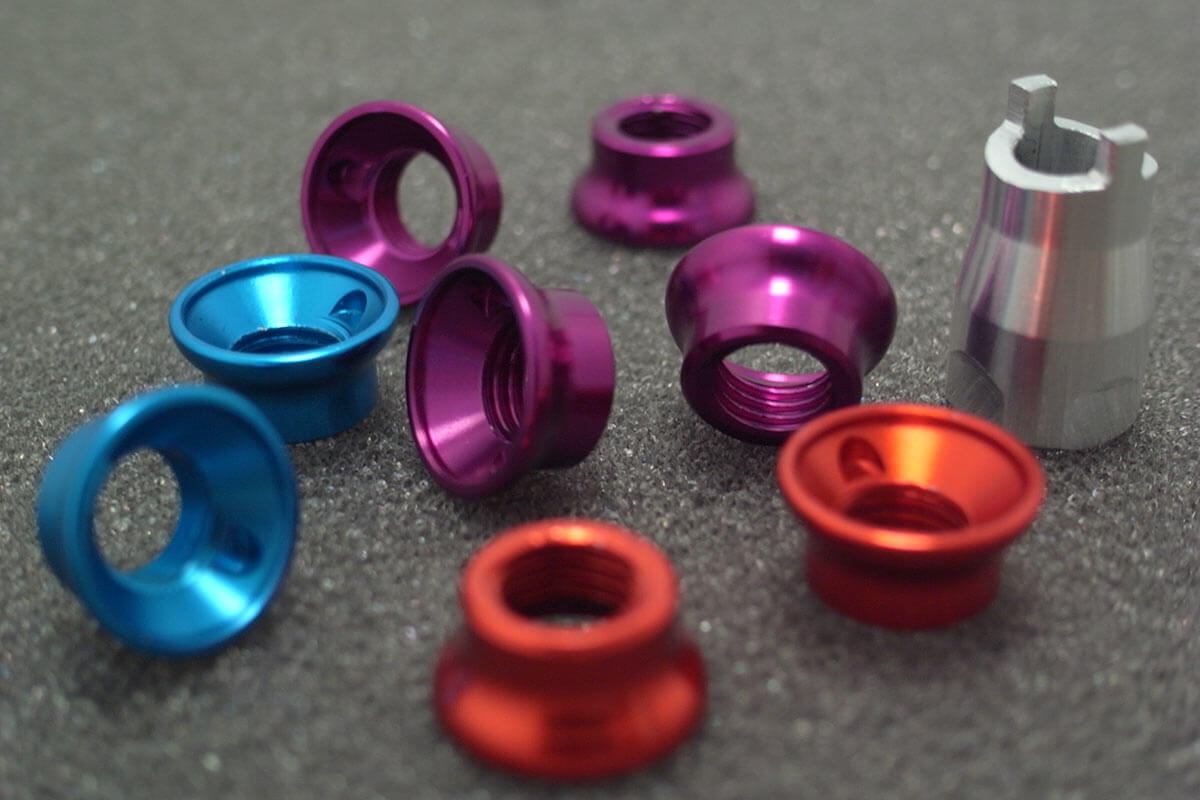
One of the most captivating aspects of metal anodizing is the array of vibrant colors it can produce. This is achieved by carefully controlling the thickness of the oxide layer, which alters the way light interacts with the surface. The interference of light waves produces a spectrum of colors, from deep bronzes to rich blues, adding a touch of personalization to the metal's final look.
Applications and Benefits
Metal anodizing's applications span across industries. In the automotive sector, anodized aluminum components not only offer an exquisite appearance but also improve longevity in various weather conditions. In architecture, anodized metal facades combine elegance with resistance to pollution and weathering. Even electronic devices benefit from anodized parts, as the process offers electrical insulation and heat dissipation properties.
The environmentally conscious also find solace in anodizing, as it is a relatively eco-friendly process. The chemicals used in anodizing can often be recycled, and the end product's longevity reduces the need for frequent replacements, minimizing waste.
Conclusion
Metal anodizing stands as a testament to the harmony that can be achieved when art and science intertwine. Through precise control of chemical reactions and electrical currents, this process transforms ordinary metal surfaces into captivating and durable works of art. Whether gracing the wings of an aircraft or the casing of a smartphone, anodized metals not only catch the eye but also tell a story of innovation, resilience, and an unwavering commitment to both aesthetics and functionality. So, the next time you admire the sheen of an anodized masterpiece, remember the intricate dance of science and creativity that made it possible.