The Impact of Shale Gas Revolution on the Liquefied Natural Gas Market 2022-2030

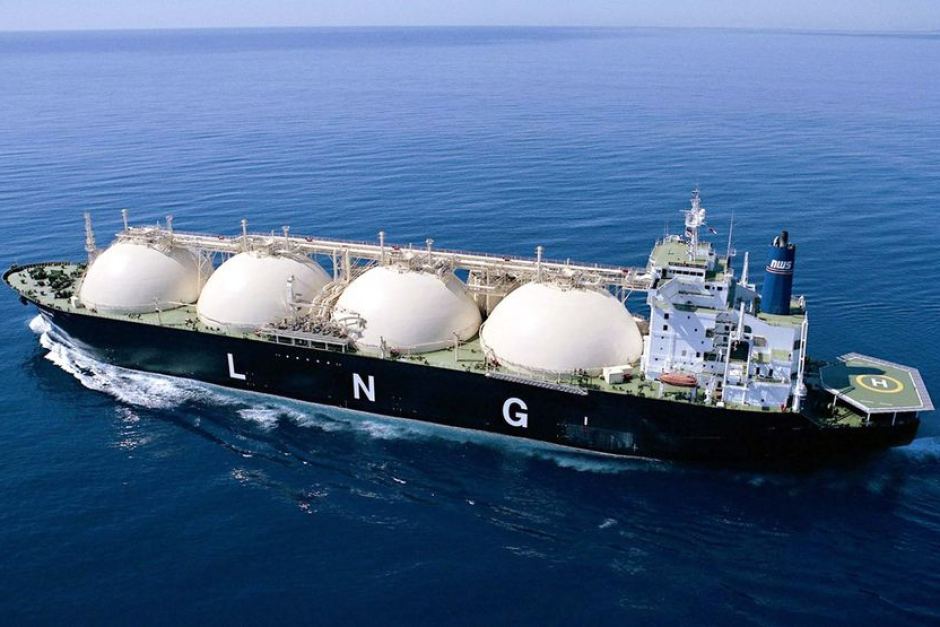
The shale gas revolution has been a transformative force in the global energy sector, significantly altering the dynamics of the Liquefied Natural Gas (LNG) market. The shale gas revolution refers to the technological advancements in horizontal drilling and hydraulic fracturing (fracking) that unlocked vast reserves of natural gas trapped in shale rock formations. This development led to a surge in domestic natural gas production in several countries, most notably in the United States, which became a major player in the global energy landscape.
Impact on LNG Production:
- Increased LNG Supply: The shale gas revolution in the United States, coupled with technological advancements, led to a significant increase in natural gas production. This surplus of domestically produced natural gas created opportunities for the United States to export LNG to international markets.
- Emergence of New LNG Exporters: Before the shale gas revolution, traditional LNG exporters were predominantly countries with large conventional natural gas reserves. The revolution paved the way for new LNG exporters like the United States to enter the market, diversifying the global LNG supply chain.
Impact on LNG Trade Patterns:
- Changing Global LNG Flows: The increased production of shale gas in the United States led to a shift in global LNG trade patterns. Previously, the United States was primarily an LNG importer. However, after the shale gas revolution, it transformed into a significant LNG exporter, redirecting flows from the Atlantic basin to the growing demand centers in Europe and Asia. An Analysis Stated by Coherent Market Insights Says, The Liquefied Natural Gas Market was valued at US$ 8.8 Billion in 2021 in terms of revenue, exhibiting a CAGR of 9.0% during the forecast period (2022 to 2030).
- Impact on Traditional LNG Importers: As the United States and other countries with shale gas reserves entered the LNG export market, traditional LNG importers in Asia and Europe saw a change in their import sources. This diversification of supply options provided greater flexibility and security to importers.
Impact on LNG Market Competitiveness:
- Price Competitiveness: The shale gas revolution contributed to an increase in global LNG supply, leading to greater competition among LNG suppliers. This, in turn, exerted downward pressure on LNG prices, benefiting LNG-importing nations and end consumers.
- Contractual Flexibility: Traditional LNG long-term contracts were often linked to oil prices, resulting in less price flexibility. However, the shale gas revolution introduced more flexible pricing mechanisms, allowing buyers and sellers to negotiate contracts based on Henry Hub or other market benchmarks.
- Growing Spot Market: The abundance of shale gas and increased LNG supply facilitated the growth of the spot LNG market, where cargoes are sold on a short-term basis. This trend allowed market participants to respond quickly to changing market conditions and optimize their Liquefied Natural Gas (LNG) portfolios.
Conclusion:
The shale gas revolution has reshaped the Liquefied Natural Gas market by boosting LNG supply, changing global trade patterns, and enhancing market competitiveness. The emergence of new LNG exporters and the growth of spot trading have brought flexibility and efficiency to the LNG market, benefitting both producers and consumers. As the shale gas revolution continues to evolve, its impact on the LNG market will remain a key factor shaping the global energy landscape.