Illuminating the Path to Safety: Harnessing the Power of UV Disinfection Equipment for a Cleaner World

Introduction
In a world constantly grappling with infectious diseases and harmful pathogens, the significance of effective disinfection cannot be overstated. As we strive to create safer environments, UV disinfection equipment has emerged as a powerful and innovative solution. Utilizing the properties of ultraviolet (UV) light, this cutting-edge technology has revolutionized the way we combat germs and microorganisms. In this blog, we will explore the wonders of UV disinfection equipment, its mechanism of action, applications, and the role it plays in safeguarding public health.
Understanding UV Disinfection
UV disinfection involves the use of short-wavelength ultraviolet light to neutralize or kill harmful microorganisms such as bacteria, viruses, and fungi. UV light falls into three categories based on wavelength: UV-A, UV-B, and UV-C. UV-C, specifically in the range of 200 to 280 nanometers, is highly effective in destroying the DNA and RNA of pathogens, rendering them unable to replicate and causing them to die.
How UV Disinfection Works
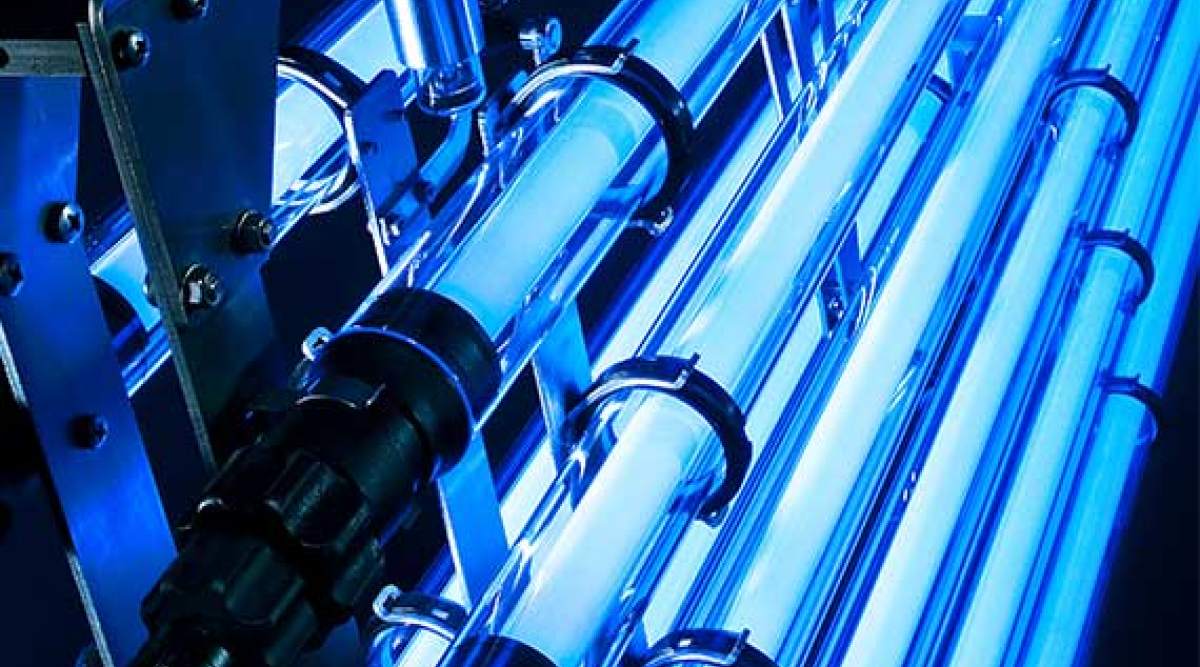
UV disinfection equipment typically employs UV-C light in a controlled and precise manner. The process consists of several key steps:
-
Irradiation: The equipment emits UV-C light at the target area. This light penetrates the cell walls of microorganisms, disrupting their genetic material.
-
DNA/RNA Damage: As UV-C light interacts with the pathogens' DNA or RNA, it causes bonds to form between nucleotides, preventing normal replication processes.
-
Microorganism Inactivation: With their genetic material damaged, the microorganisms lose their ability to multiply, effectively neutralizing their threat.
Applications of UV Disinfection Equipment
-
Healthcare Settings: UV disinfection equipment plays a crucial role in hospitals, clinics, and healthcare facilities. It can be used to disinfect patient rooms, surgical suites, waiting areas, and medical equipment, reducing the risk of healthcare-associated infections.
-
Food and Beverage Industry: UV disinfection is utilized in food processing plants, beverage facilities, and restaurants to sterilize surfaces, equipment, and packaging materials, ensuring that consumers are protected from foodborne illnesses.
-
Water Treatment: UV disinfection is a vital step in purifying drinking water. It effectively destroys harmful bacteria, viruses, and parasites without introducing chemicals or altering the taste of the water.
-
Air Purification: UV disinfection equipment can be integrated into HVAC systems to purify indoor air. It neutralizes airborne pathogens, reducing the risk of respiratory infections and improving indoor air quality.
-
Public Spaces: In public transportation, airports, schools, and offices, UV disinfection equipment can sanitize frequently touched surfaces like handrails, doorknobs, and touchscreens, creating safer environments for everyone.
Benefits and Advantages
-
Chemical-Free Disinfection: Unlike traditional disinfection methods that often involve harsh chemicals, UV disinfection is chemical-free and environmentally friendly.
-
Rapid and Efficient: UV disinfection is quick and efficient, with the ability to kill a wide range of pathogens in a matter of seconds.
-
Targeted Treatment: UV disinfection equipment can be precisely targeted, ensuring that high-risk areas are thoroughly disinfected without affecting other surfaces.
-
Reduced Antibiotic Resistance: By eliminating harmful microorganisms without the use of antibiotics, UV disinfection helps combat the growing problem of antibiotic resistance.
Conclusion
In the pursuit of a cleaner and safer world, UV disinfection equipment has emerged as a transformative technology. With its ability to neutralize harmful pathogens efficiently and without chemicals, it has found applications in diverse sectors, from healthcare to food production and beyond. Embracing UV disinfection equipment represents a significant stride forward in our collective efforts to protect public health, making our environments safer, healthier, and more resilient to the challenges posed by infectious diseases.