Guardians of Health: The Importance of Infection Control

Introduction
Infection control stands as the silent sentinel guarding public health against the relentless onslaught of infectious diseases. It plays a pivotal role in preventing the spread of pathogens, ensuring the safety of patients, healthcare workers, and the broader community. From the basic principles of hand hygiene to the advanced protocols used in hospitals and laboratories, infection control remains a critical aspect of modern healthcare systems, safeguarding lives and fostering a healthier world.
The Threat of Infectious Diseases
Throughout history, infectious diseases have inflicted devastation upon human populations, causing epidemics and pandemics that have altered the course of civilizations. Today, despite incredible advancements in medicine, new and emerging infectious diseases continue to pose a significant threat to global health. Pathogens, such as bacteria, viruses, fungi, and parasites, can spread rapidly and cause severe illnesses if not adequately controlled.
The Foundation of Infection Control: Hand Hygiene
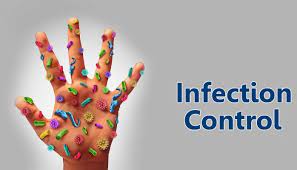
Hand hygiene serves as the foundation of infection control and is one of the most effective ways to prevent the transmission of pathogens. Regular handwashing with soap and water or the use of alcohol-based hand sanitizers significantly reduces the risk of spreading germs from person to person or from contaminated surfaces.
Healthcare workers, in particular, are urged to practice rigorous hand hygiene protocols to avoid cross-contamination between patients and to protect themselves from potential infections acquired through patient care.
Infection Prevention in Healthcare Settings
In healthcare facilities, stringent infection control measures are vital to protect vulnerable patients and prevent healthcare-associated infections (HAIs). Contaminated medical equipment, improper sterilization procedures, and inadequate hygiene practices can all contribute to the transmission of infections within hospital settings.
Isolation precautions, a cornerstone of infection control in hospitals, help prevent the spread of highly contagious diseases. Patients with infections that can be transmitted through the air, contact, or droplets are placed in appropriate isolation rooms to reduce the risk of transmission to other patients and healthcare personnel.
Personal Protective Equipment (PPE)
Personal protective equipment, commonly known as PPE, is an essential component of infection control, especially during outbreaks and pandemics. PPE, such as masks, gloves, gowns, and face shields, acts as a barrier to protect healthcare workers from exposure to infectious agents while caring for patients.
During the COVID-19 pandemic, the widespread use of PPE became even more critical to safeguard frontline workers and prevent the spread of the virus.
Infection Control in Community Settings
Infection control is not limited to healthcare facilities but extends to community settings as well. Proper waste management, safe food handling practices, and vaccination campaigns are all vital in reducing the transmission of infectious diseases.
Public health authorities play a significant role in educating the public about the importance of infection control measures and coordinating responses to outbreaks to limit their impact.
Global Cooperation and Preparedness
Infectious diseases transcend borders, making global cooperation essential in combatting their spread. International organizations, such as the World Health Organization (WHO), work closely with member countries to strengthen their capacity for infection control, surveillance, and response to outbreaks.
The COVID-19 pandemic highlighted the importance of global preparedness and response to emerging infectious diseases, leading to increased investments in research, development, and vaccine distribution on a global scale.
Conclusion
Infection control is not a fleeting concern but a perpetual commitment to safeguarding the health and well-being of individuals and communities. From hand hygiene to advanced medical practices, infection control measures remain the guardians of health, protecting us from the invisible threats that surround us.
As we continue to face new challenges from infectious diseases, the lessons learned from past experiences, coupled with ongoing research and advancements in medical science, will strengthen our ability to confront and overcome these threats. By prioritizing infection control and working together as a global community, we can create a safer, healthier world for generations to come.
Top of Form