Exploring Innovations and Trends in the Core Materials Market

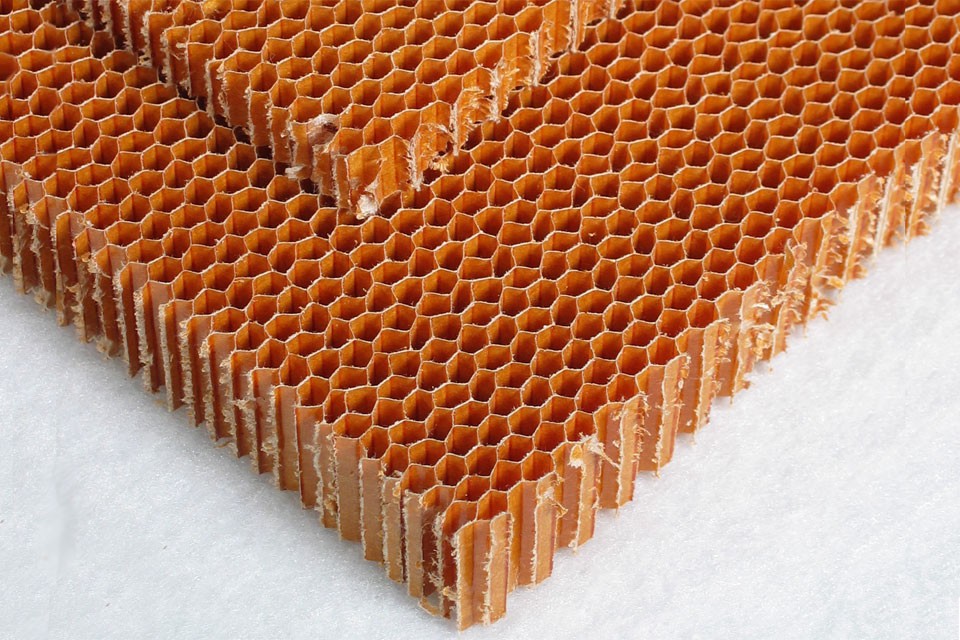
Core materials, in the context of materials and manufacturing, refer to substances or components that are used to provide structural support, stability, and reinforcement within composite materials. These materials are typically positioned between layers of other materials, such as fibers or laminates, to create a sandwich-like structure. The primary purpose of core materials is to enhance the mechanical properties of the composite, such as strength, stiffness, and durability, while keeping the overall weight of the structure relatively low.
Market Size: The Core Materials Market refers to a segment within the materials industry that produces and supplies core materials used in various applications such as aerospace, wind energy, marine, automotive, construction, and more.
Market Industry: The Core Materials Market is part of the broader composite materials industry. Core materials are primarily used to provide structural integrity and stability to composite materials, which are combinations of two or more materials with different properties. These core materials are often sandwiched between layers of composite materials to create lightweight yet strong structures. Common core materials include foams (e.g., PVC foam, PET foam), honeycomb materials (e.g., aluminum, Nomex, and thermoplastic), and balsa wood.
Market Share: The market is highly competitive, with several key players dominating the core materials market industry. Some of the leading companies in the core materials market include Hexcel Corporation, 3A Composites, Gurit Holding AG, DIAB Group, and Evonik Industries, among others. These companies compete based on product innovation, quality, and cost-effectiveness.
Market Trends: Several noteworthy trends are shaping the Core Materials Market:
-
Sustainability: There's a growing emphasis on eco-friendly and sustainable core materials to reduce the environmental impact of composite manufacturing. Companies are increasingly using recycled and bio-based core materials.
-
Lightweighting: Industries like aerospace and automotive are continually seeking lighter materials to enhance fuel efficiency and performance. Core materials play a crucial role in achieving this goal.
-
Increased Use in Renewable Energy: Core materials are integral in the manufacturing of wind turbine blades and solar panels, and as renewable energy installations expand, so does the demand for core materials.
-
Advanced Composite Manufacturing Techniques: Innovations in composite manufacturing, such as automated production processes and 3D printing, are influencing the core materials market, making it more efficient and cost-effective.
-
Asia-Pacific Growth: The Asia-Pacific region is witnessing significant growth in the core materials market due to rising industrialization and infrastructure development.
Market Growth: The Core Materials Market Growth is expected to experience steady growth in the coming years. Factors such as the increasing use of composites in various industries, the demand for lightweight materials, and the focus on sustainability are driving this core materials market growth. Additionally, the market's expansion in emerging economies is contributing to its overall growth prospects. However, market dynamics can change over time, so it's advisable to consult up-to-date sources for the latest market growth figures.
In summary, the Core Materials Market is a vital component of the composite materials industry, with a substantial market size, notable industry players, evolving trends, and promising growth prospects driven by various industries' demands for lightweight and sustainable materials.