Endoscope Reprocessing Device: Ensuring Safe and Effective Reuse of Medical Instruments

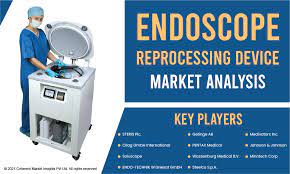
An endoscope reprocessing device is a critical tool used in healthcare settings to clean, disinfect, and sterilize endoscopes, which are complex and delicate medical instruments used for diagnostic and therapeutic procedures inside the body. These devices play a crucial role in maintaining patient safety and preventing healthcare-associated infections by ensuring that endoscopes are thoroughly cleaned and free from any residual contaminants or pathogens before their reuse.
Key Features and Functionality:
- Automated Cleaning and Disinfection: Endoscope reprocessing devices are equipped with advanced automation features that streamline the cleaning and disinfection process. These devices utilize high-level disinfectants and detergents to remove organic debris, blood, and other contaminants from the endoscope's surfaces.
- Adherence to Reprocessing Guidelines: The devices are designed to comply with strict reprocessing guidelines issued by health authorities and professional organizations. They follow a standardized reprocessing workflow, encompassing pre-cleaning, leak testing, manual cleaning, high-level disinfection, and drying.
- Compatibility with Different Endoscope Types: Endoscope reprocessing devices are versatile and capable of accommodating various types and sizes of endoscopes used in different medical specialties, such as gastroenterology, pulmonology, urology, and gynecology.
- Ensuring Endoscope Integrity: These devices are engineered to protect the delicate components of the endoscope, preventing damage or distortion during the reprocessing cycle. The devices maintain precise control over temperature, pressure, and exposure time to safeguard the instrument's integrity.
- Reprocessed Endoscope Traceability: Many modern reprocessing devices include data management systems to record and store reprocessing parameters, creating a traceable history for each endoscope. This feature enhances quality control and allows healthcare facilities to monitor and verify the effectiveness of the reprocessing procedures.
- User-Friendly Interface: Endoscope reprocessing devices are designed with intuitive user interfaces, simplifying operation and reducing the risk of human errors during the reprocessing cycle. Clear instructions and visual prompts guide users through the necessary steps.
- Validation and Monitoring: The devices often feature built-in validation mechanisms, such as chemical indicators, to verify that the endoscope has undergone proper disinfection. Additionally, ongoing monitoring and maintenance ensure the device's optimal performance and reliability.
In summary, endoscope reprocessing devices are vital tools for healthcare facilities to ensure the safe and effective reuse of endoscopes. By employing advanced cleaning and disinfection technologies and adhering to strict guidelines, these devices play a pivotal role in upholding patient safety and maintaining the integrity of endoscopic procedures.