The Development of Shavers

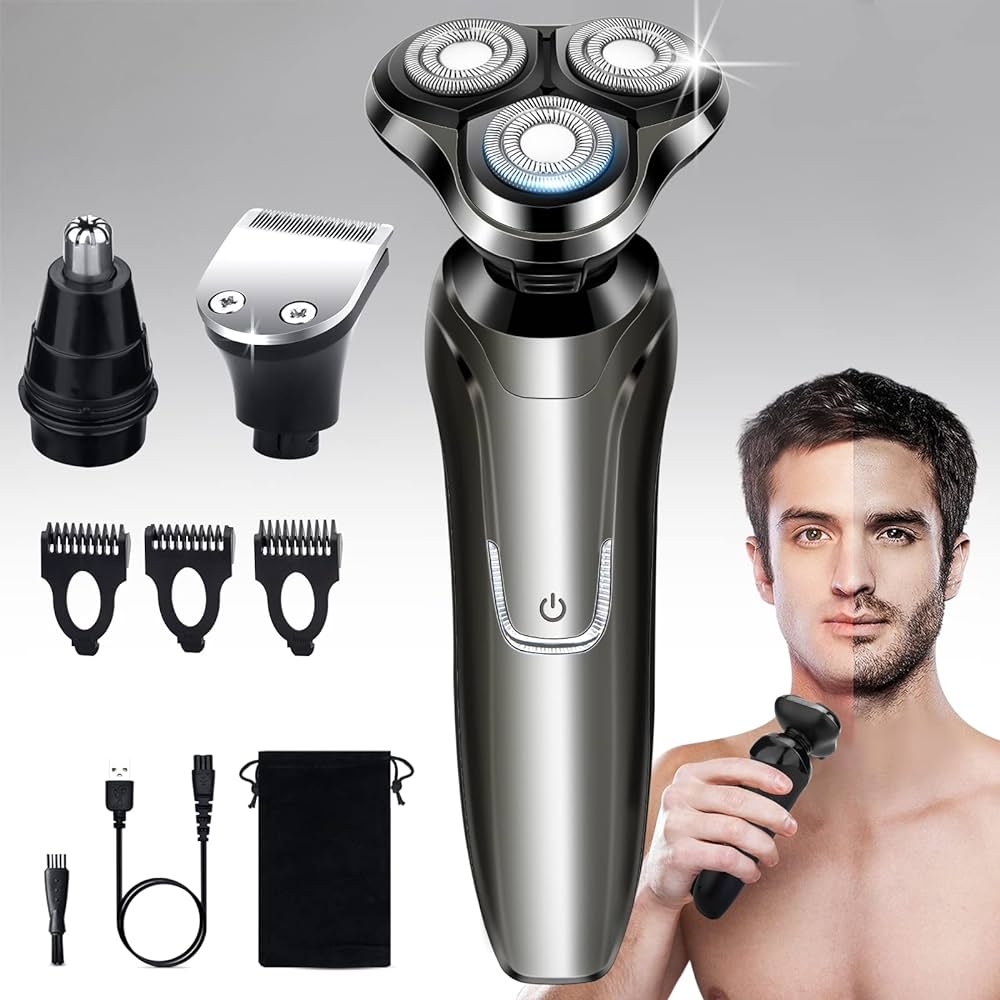
From the very primitive stone and seashell razors used in ancient times to the highly advanced electric shavers of today, the humble shaving tool has come a long way in terms of design and functionality.
Early Shavers and Razors
The earliest forms of shavers that have been discovered by archaeologists date back to over 30,000 years ago. Primitive humans would sharpen stones to create a sharp edge that could be used to scrape or shave off hair from the face or body. Later, coastal communities took to using natural materials like seashells, sharpened oyster shells, and animal bones as makeshift razors. These tools, while basic, served the purpose, though shaving was undoubtedly an arduous task.
Safety Razors Arrive
A significant improvement came in the late 18th century when cut-throat razors with guard plates and handles were invented. Known as safety razors, these were easier and safer to use compared to straight razors. In the 1900s, brands like Gillette revolutionized the shaving world by introducing the first safety razor with disposable double-edge blades. Shavers was a novel concept that made shaving more convenient and affordable for the masses. The disposable razor model has since been highly successful and is still dominant today.
Cartridge Razors Gain Popularity
Safety razors reigned supreme for decades until the 1970s when cartridge razors were released. Featuring a plastic housing that contained multiple razor blades, cartridge systems offered a closer shave. Brands like Gillette and Schick became household names with their cartridge razors. Some advancements like Lubricating strips and pivot heads further improved the shaving experience. Though more expensive due to non-refillable cartridges, their ease of use made cartridge shavers a runaway success worldwide.
Electric Shavers Debut
As early as the 1930s, electric shavers had been conceptualized, but it was Remington who launched the first commercially viable electric shaver in 1950. Powered by batteries, these were dry shavers that eliminated the need for creams or gels. While primitive, this new category of "cordless" shavers filled an important need. Later upgrades like rotating or oscillating heads provided a more comfortable shave. Brands like Braun, Philips, and Panasonic emerged as pioneers with their electric shaver innovations in the decades that followed.
Modern Shavers - The Best of All Worlds
Today's shavers leverage the best of traditional and electric shaving technologies.Models like the Braun Series 9,Philips Norelco 9700, and Panasonic Arc5 cleverly blend foil shavers, rotary blades, wet/dry options and powerful lithium-ion batteries.Advanced features include sonic vibration, flexible pivoting heads, auto-cleaning stations and intelligent sensors for a close,comfortable shave every time. Meanwhile, brands like Harry's and Dollar Shave Club have disrupted the market with affordable subscription-based cartridge delivery services.
With continually improving designs, multi-blade solutions, and hybrid electric-manual options now available, consumers have never had it better for shaving. Whether one prefers the efficiency of electric, precise control of manual, or a foil shaver, there is a model that caters to different needs and budgets. The future promises even more innovation like 3D mapping of facial contours for an ultra-personalized shave.
From crude stone blades to high-tech hybrid shavers of today, the evolution of shaving tools over the centuries has undoubtedly made what was once a chore into an effortless daily grooming task. Constant innovations addressing performance as well as consumer preferences have kept the shaving products industry at the cutting edge of personal care technology. As new materials and engineering ideas emerge, the shaver of tomorrow will excel even further in comfort, convenience and effectiveness for all types of faces. Personalized, customized solutions may also become the norm in the not too distant future.
get more insights on Shavers