Cardiovascular Devices Market: Advancing Heart Health through Technological Innovations

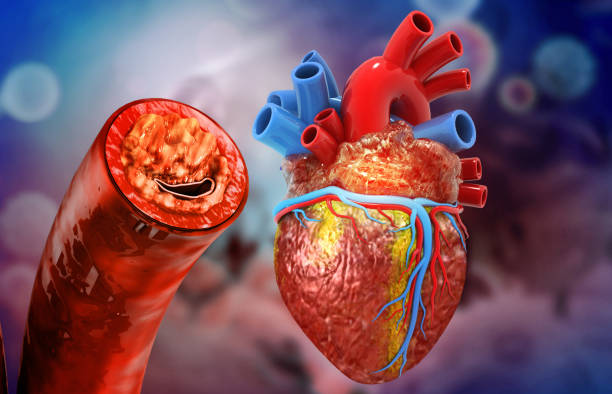
The cardiovascular devices market is a dynamic and rapidly evolving sector of the healthcare industry. It encompasses a wide range of medical devices designed to diagnose, monitor, and treat various cardiovascular conditions. These innovative technologies play a crucial role in improving patient outcomes, reducing mortality rates, and enhancing the quality of life for individuals with heart-related issues. In this comprehensive exploration, we delve into the world of the cardiovascular devices market, examining the key devices, market trends, growth drivers, challenges, and the remarkable impact these technologies have on heart health.
The Prevalence of Cardiovascular Diseases
Cardiovascular diseases (CVDs) continue to be a leading cause of mortality globally. With risk factors such as sedentary lifestyles, poor dietary habits, and aging populations on the rise, the demand for cardiovascular devices becomes increasingly significant in managing and treating heart-related conditions.
Key Cardiovascular Devices
-
Cardiac Implantable Electronic Devices (CIEDs): CIEDs, including pacemakers, implantable cardioverter-defibrillators (ICDs), and cardiac resynchronization therapy devices (CRTs), are essential in regulating heart rhythm and preventing life-threatening arrhythmias.
-
Stents: Coronary stents are small, expandable tubes used to treat narrowed or blocked arteries and restore blood flow. Drug-eluting stents release medication to prevent the re-narrowing of the treated artery.
-
Catheters and Balloon Dilators: Catheters equipped with balloon dilators are used in percutaneous coronary interventions (PCI) to open narrowed arteries and improve blood flow to the heart.
-
Cardiac Monitors and Event Recorders: These devices continuously monitor heart activity and can be worn by patients to detect irregular heart rhythms, providing crucial data for diagnosis and treatment.
-
Ventricular Assist Devices (VADs): VADs are mechanical pumps used to support heart function in patients with severe heart failure while awaiting heart transplantation or as destination therapy.
-
Cardiac Surgical Devices: Devices used in cardiac surgeries, such as heart valves, cannulae, and heart-lung machines, are vital for repairing or replacing damaged heart structures.
Market Trends and Growth Drivers
-
Technological Advancements: Continuous technological innovations, including miniaturization, wireless connectivity, and artificial intelligence, drive the development of more efficient and user-friendly cardiovascular devices.
-
Growing Geriatric Population: The aging population is a significant factor contributing to the rise in cardiovascular diseases and, consequently, the demand for cardiovascular devices.
-
Preventive Healthcare Initiatives: Increased awareness of heart health and preventive measures has led to early detection and intervention, spurring the adoption of cardiovascular devices.
-
Minimally Invasive Procedures: The preference for minimally invasive interventions, which result in shorter hospital stays and quicker recovery times, fuels the demand for innovative cardiovascular devices.
-
Rising Incidence of Lifestyle-Related Risk Factors: Sedentary lifestyles, poor dietary habits, and obesity contribute to the increasing prevalence of cardiovascular diseases, driving the need for effective treatment solutions.
Challenges and Regulatory Landscape
-
Cost Constraints: The high cost of some advanced cardiovascular devices can limit their accessibility, especially in low-resource settings.
-
Regulatory Compliance: Stringent regulatory requirements for medical devices may pose challenges for manufacturers, leading to longer approval processes.
-
Device Compatibility and Interoperability: Ensuring seamless integration and compatibility between different cardiovascular devices remains a technical challenge.
-
Adoption in Emerging Markets: While the demand for cardiovascular devices is growing in emerging economies, factors like limited healthcare infrastructure and reimbursement issues can affect their widespread adoption.
The Future of Cardiovascular Devices
The future of the cardiovascular devices market is characterized by continuous innovation and the integration of emerging technologies. Some key trends include:
-
Wearable Cardiovascular Devices: Advances in wearable technology enable continuous monitoring of heart health and early detection of cardiovascular abnormalities.
-
Telemedicine and Remote Monitoring: Telemedicine and remote monitoring solutions offer real-time data transmission, facilitating timely intervention and personalized care for patients.
-
Personalized Medicine: The use of genetic data and biomarkers allows for tailored treatment approaches, enhancing the efficacy of cardiovascular devices.
-
Bioresorbable Stents: Research into bioresorbable stents, which dissolve over time, holds promise for reducing long-term complications associated with traditional stents.
Conclusion
The cardiovascular devices market plays a pivotal role in revolutionizing heart health, offering a diverse array of devices for diagnosis, monitoring, and treatment. With ongoing technological advancements and a growing focus on preventive healthcare, these devices continue to evolve, driving better patient outcomes and enhancing the overall quality of life for individuals with cardiovascular conditions. As research and innovation pave the way for more sophisticated and personalized solutions, the future of the cardiovascular devices market holds immense promise in the fight against cardiovascular diseases.