Carbon Prepreg: The Lightweight Wonder Material Revolutionizing Industries

Introduction
Carbon fiber has rapidly emerged as a game-changing material across various industries, and its advanced form, carbon prepreg, is taking the engineering world by storm. This lightweight wonder material offers unparalleled strength-to-weight ratio, exceptional durability, and outstanding mechanical properties, making it the go-to choice for aerospace, automotive, sports equipment, and many other applications. In this blog, we will delve into the fascinating world of carbon prepreg, exploring its composition, manufacturing process, key advantages, and diverse applications.
Understanding Carbon Prepreg
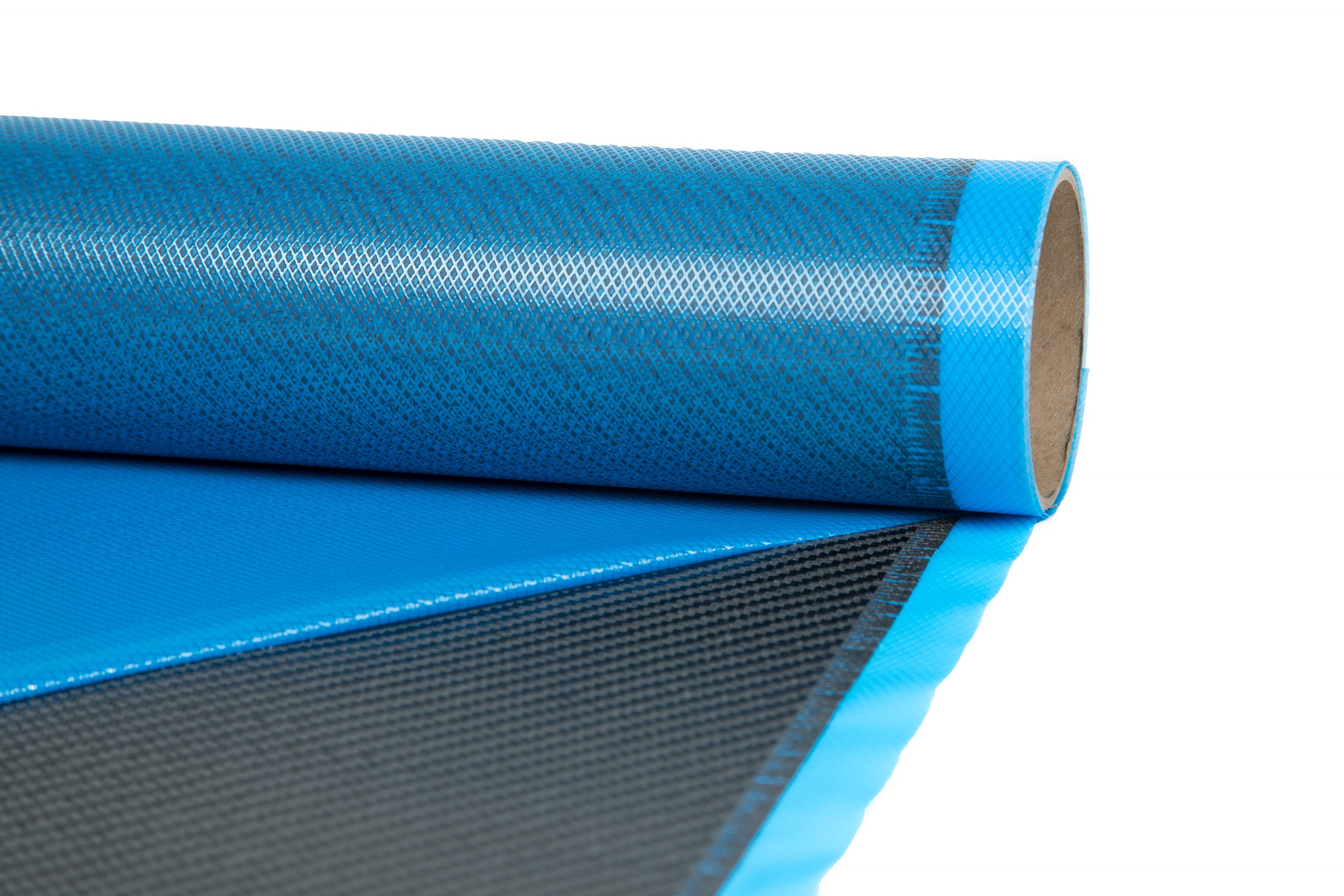
Carbon prepreg, short for "pre-impregnated," consists of carbon fibers already infused with a matrix material, typically epoxy resin. The prepreg material comes in the form of flexible sheets or rolls, ready for use in manufacturing high-performance components. The process involves carefully impregnating the carbon fibers with the resin, ensuring optimal fiber-to-resin ratio, and then curing the material to form a solid composite structure.
Manufacturing Process
The manufacturing process of carbon prepreg is a precise and controlled procedure. It begins with selecting high-quality carbon fibers, which are usually woven into a fabric or unidirectional tapes. The carbon fiber fabric is then passed through a machine where the epoxy resin is applied evenly to impregnate the fibers. The resin content is carefully controlled to achieve the desired mechanical properties of the final product.
Once impregnated, the carbon fiber-reinforced sheets are placed in temperature-controlled environments to prevent premature curing. This semi-cured state allows for ease of handling during transportation and further processing. Finally, the prepreg material is subjected to a curing process, which involves applying heat and pressure to complete the chemical reaction and create a strong, rigid composite structure.
Key Advantages
-
Superior Strength-to-Weight Ratio: Carbon prepreg exhibits exceptional strength while remaining significantly lighter than traditional materials like steel or aluminum. This property is critical for industries aiming to reduce weight and enhance performance without compromising structural integrity.
-
Enhanced Mechanical Properties: The alignment of carbon fibers in the prepreg allows for excellent mechanical properties, including high tensile and flexural strength, as well as improved impact resistance.
-
Tailored Properties: Manufacturers can modify the composition of the prepreg, adjusting the fiber orientation and resin type to tailor the material's properties to specific application requirements.
-
Consistency and Quality: The controlled manufacturing process ensures consistent quality and uniformity throughout the material, reducing the risk of defects and enhancing reliability.
Applications
-
Aerospace: Carbon prepreg is widely used in the aerospace industry for manufacturing aircraft components, such as wings, fuselage sections, and tail structures. Its lightweight nature significantly contributes to fuel efficiency and increases payload capacity.
-
Automotive: High-performance sports cars and racing vehicles often incorporate carbon prepreg components to reduce overall weight and improve handling and acceleration.
-
Sports Equipment: Carbon prepreg is utilized in the production of sports equipment like tennis rackets, golf clubs, and bicycle frames, offering athletes enhanced performance through improved power transfer and reduced vibrations.
-
Wind Energy: Carbon prepreg is employed in wind turbine blades due to its lightweight properties and high fatigue resistance, enhancing the efficiency and longevity of the turbines.
Conclusion
Carbon prepreg has ushered in a new era of advanced materials engineering, providing industries with a lightweight yet incredibly strong alternative to conventional materials. As technology advances and manufacturing processes improve, we can expect to see even more innovative applications of this remarkable material, revolutionizing industries and pushing the boundaries of what is possible. The future of carbon prepreg is undoubtedly bright, and its potential to drive progress and sustainability across various sectors makes it an indispensable asset in the modern world.