Balanced Living: Trends and Innovations in Dietary Supplements

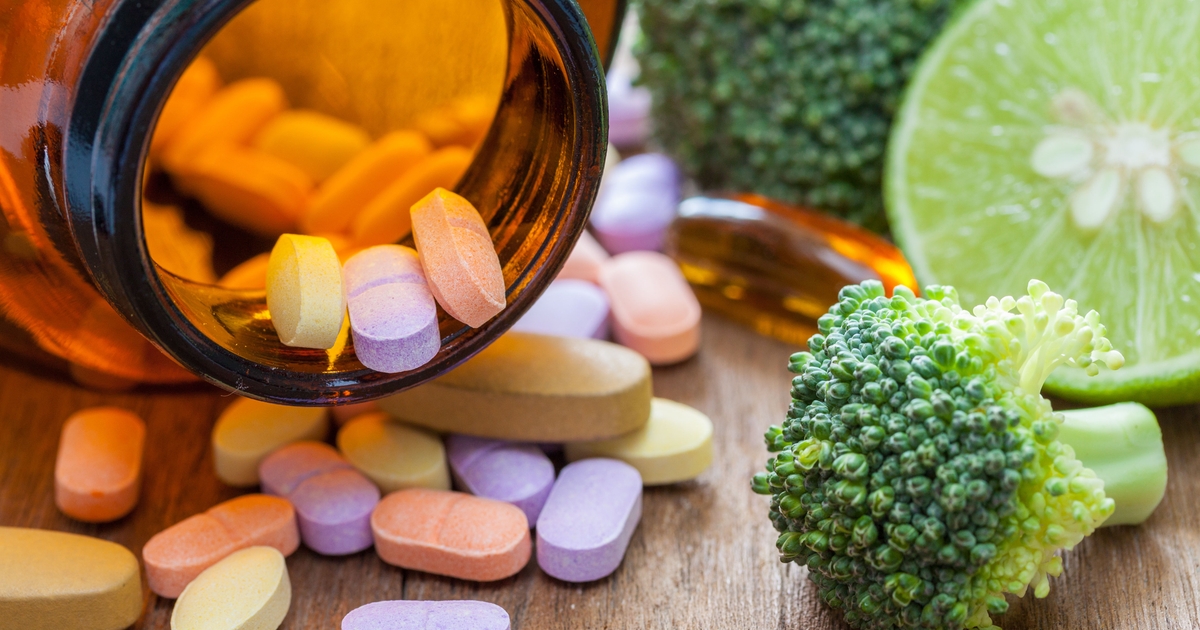
Dietary Supplements Market to Grow Owing To Increasing Health Awareness
The dietary supplements market consists of products intended to supplement the diet with individual vitamins, minerals, or other botanical ingredients alone or in combination. These supplements come in various forms such as tablets, capsules, softgels, powders, gummies and liquids, and are used to improve overall health and well-being. The use of dietary supplements has increased dramatically in the past few years due to rising prevalence of lifestyle diseases, awareness related to preventive healthcare, and aging population worldwide. The global dietary supplements market is estimated to be valued at US$ 203.43 billion in 2024 and is expected to exhibit a CAGR of 8.2% over the forecast period from 2024 to 2031.
Key Takeaways
Key players operating in the dietary supplements market include Abbott Laboratories, Amway (Nutrilite), DuPont, NBTY Inc., Royal DSM N.V., Glanbia Plc., Bayer AG, GlaxoSmithKline PLC., Herbalife International, and BASF SE. These leading companies are focusing on new product launches, expansions, and mergers & acquisitions to increase their market share. For instance, in 2022, Amway acquired XS Energy, a performance energy shot brand, to expand its nutrition portfolio.
The demand for dietary supplements is growing significantly due to increasing health awareness among consumers and prevalence of lifestyle diseases. Consumers are more inclined towards preventive healthcare and self-medication using dietary supplements for various health conditions like joint pain, sleep disorders, stress, and digestive issues. The COVID-19 pandemic further boosted the demand as consumers recognized the importance of boosting immunity through supplements.
Technological advancements are also fueling the market growth. Manufacturers are focusing on product innovations and developing novel delivery systems like gummies, softgels and liquids to make supplements more palatable and convenient. Some players are exploring the potential of nanotechnology, vegetarian ingredients and 3D printing to manufacture customized supplements.
Market Trends
Customization is emerging as a key trend in the dietary supplements market. Consumers want supplements tailored to their individual needs and health goals. This has encouraged manufacturers to offer customizable supplement packs and subscription services where consumers can select ingredients of their choice. Another trend is rising adoption of sports nutrition supplements among amateur and professional athletes to gain performance benefits. The market for protein powders, pre-workout formulas and recovery supplements is growing significantly.
Market Opportunities
Growing health-conscious population in developing regions presents lucrative opportunities. Manufacturers can tap markets in Asia Pacific, Latin America, Middle East and Africa by developing affordable, culture-specific products. The expanding e-commerce industry is another opportunity. Companies offering subscription services, personalized consultations and exclusive online deals can gain traction. Emerging areas like cannabis supplements also offer growth prospects with increasing legalization of marijuana worldwide.
Impact of COVID-19 on Dietary Supplements Market Growth
The COVID-19 pandemic has significantly impacted the dietary supplements market globally. During the initial nationwide lockdowns imposed in early 2020, the market witnessed a decline in sales as consumers cut back on discretionary spending and stocked up on essentials only. As focus shifted to boosting immunity, the demand for immunity-boosting supplements such as vitamins C and D, zinc, and herbal/Ayurvedic formulations grew rapidly. The work-from-home culture also increased sales of supplements for stress, sleep, and cognitive health. Manufacturers faced disruptions in the supply chain and saw rising costs of raw materials owing to challenges in sourcing, transportation and labor shortages. However, with physical health and preventive healthcare taking precedence, the market is expected to grow steadily in the coming years. Companies will need to focus on affordability, efficiency in supply chain and distribution networks, portfolio expansion into trending segments, and address changing consumer preferences to capitalize on future opportunities.
Fastest Growing Region for Dietary Supplements Market
The Asia Pacific region is poised to be the fastest growing market for dietary supplements globally over the forecast period. Rising health consciousness, growing disposable incomes, expansion of retailers and e-commerce platforms are driving the growth of nutritional and herbal supplements market in the region. China dominates the APAC supplements market currently, while India is expected to surpass other countries to become one of the leading markets in the world. The large population base, traditional usage of herbs and supplements in daily diets, proliferation of fitness trends and changing lifestyles are attracting global companies to invest more in this high potential region. Regulatory harmonization and policies supporting the domestic supplements industry will further aid geographical expansion and development of innovative products catering to native healthcare requirements in APAC.
Region with Highest Dietary Supplements Market Value
Currently, the United States accounts for the highest value share in the global dietary supplements market. This is attributed to factors such as rising healthcare costs driving preventive healthcare adoption, prevalence of lifestyle diseases, presence of major supplement manufacturers, aggressive marketing and promotion by companies. Supplements for joint health, sports nutrition, vitamins and dietary fibers are highly consumed categories in the U.S. market. However, with fast economic growth, China is expected to surpass the U.S. to dominate the market value in subsequent years. Chinese consumers are demonstrating rising preference for supplements as nutrition, functional foods emerge as an integral part of daily diets for health maintenance. Government support to domestic production will further fortify China's position as the largest and most lucrative regional market globally.