Antimicrobial Additives: Enhancing Product Safety and Hygiene

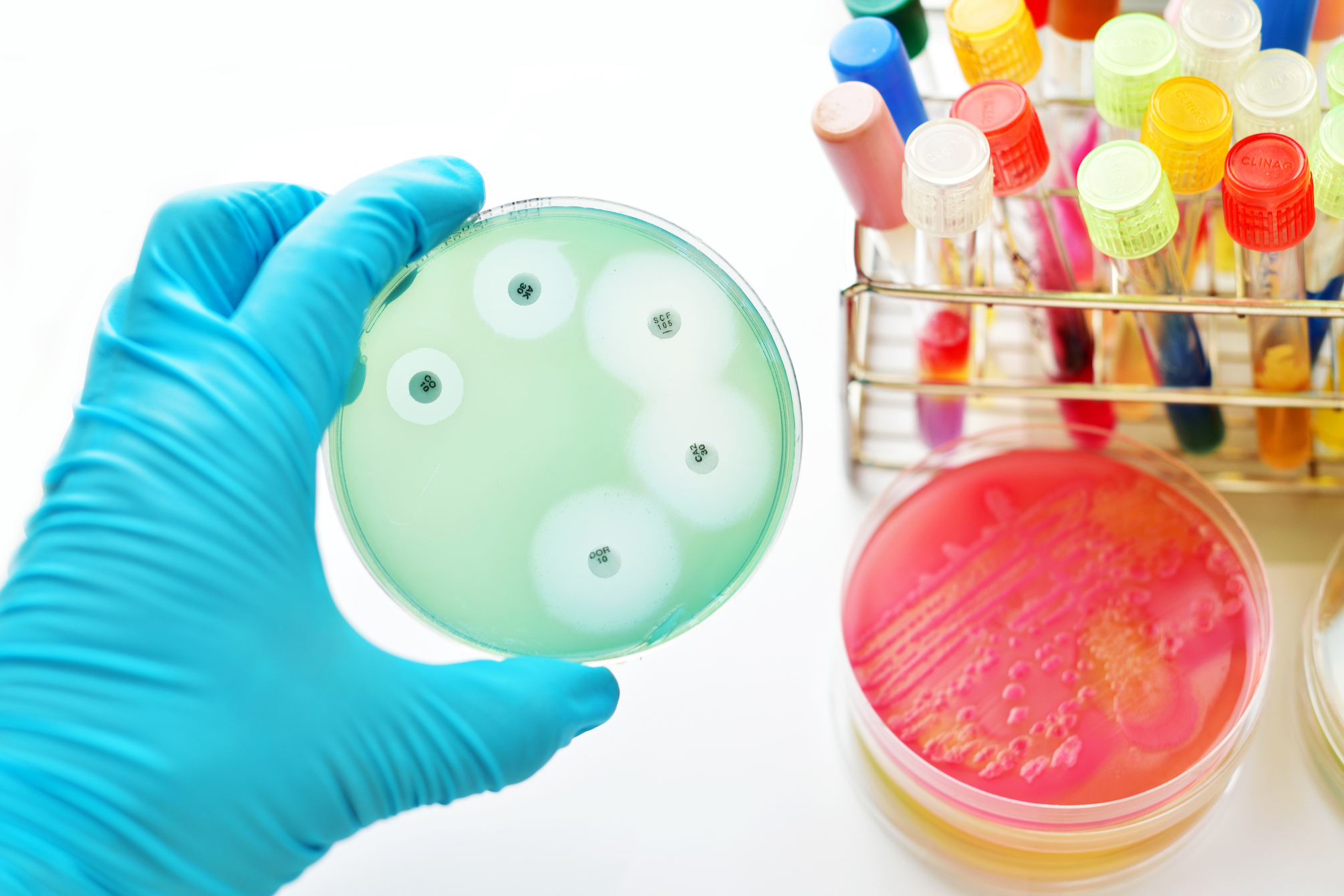
In an era where health and hygiene have become paramount, the importance of antimicrobial additives cannot be overstated. These innovative compounds have revolutionized the way we approach cleanliness and safety across various industries. From household products to healthcare settings, antimicrobial additives offer a powerful defense against harmful microorganisms, contributing to a healthier and more secure environment.
What are Antimicrobial Additives?
Antimicrobial additives are chemical compounds incorporated into materials during their manufacturing process to inhibit the growth and spread of microorganisms, such as bacteria, viruses, fungi, and algae. By effectively disrupting the life cycle of these pathogens, antimicrobial additives help prevent their proliferation on surfaces, making products inherently safer and more hygienic.
Benefits of Antimicrobial Additives
-
Improved Product Hygiene: One of the primary advantages of antimicrobial additives is their ability to maintain higher levels of product hygiene. In environments where bacteria and other microbes thrive, like kitchens or healthcare facilities, products infused with antimicrobial agents act as an additional line of defense against cross-contamination and the spread of infections.
-
Extended Product Lifespan: Antimicrobial additives not only ensure a hygienic environment but also help extend the lifespan of products. By inhibiting the growth of bacteria and mold, they prevent the material from breaking down prematurely due to microbial deterioration.
-
Healthcare Advancements: In the healthcare industry, antimicrobial additives have played a significant role in minimizing healthcare-associated infections (HAIs). Medical equipment, furniture, and textiles treated with antimicrobial agents help create a safer environment for patients, reducing the risk of infection transmission.
-
Public Health Benefits: In public spaces like schools, gyms, and public transportation, antimicrobial additives incorporated into commonly used materials provide a greater sense of safety for the public. The reduction of germs on frequently touched surfaces aids in preventing the spread of illnesses during flu seasons or pandemics.
-
Resistant to Odor: Bacterial growth is often accompanied by unpleasant odors. Antimicrobial additives mitigate this issue by preventing the proliferation of odor-causing bacteria, leading to fresher-smelling products and surroundings.
Applications of Antimicrobial Additives
-
Consumer Products: Antimicrobial additives find extensive use in consumer products, such as kitchenware, cutting boards, textiles, and personal care items like toothbrushes and soaps. These additives help consumers maintain a cleaner and safer environment within their homes.
-
Healthcare: In the healthcare industry, antimicrobial additives are integrated into medical devices, hospital furniture, and even uniforms, reducing the risk of infections and ensuring a more hygienic patient care environment.
-
Building Materials: Antimicrobial additives are used in paints, coatings, and sealants for walls, floors, and ceilings. These materials help maintain a healthier indoor atmosphere by inhibiting the growth of mold, mildew, and bacteria.
-
Food Packaging: Antimicrobial additives have been employed in food packaging materials to extend the shelf life of products by reducing the growth of spoilage-causing microorganisms.
Safety and Environmental Considerations
As with any chemical application, the safety and environmental impact of antimicrobial additives are important factors to consider. Extensive research and testing are conducted to ensure that these additives are safe for consumers and the environment. Regulatory bodies set strict guidelines for the use of antimicrobial agents, and responsible manufacturers adhere to these guidelines diligently.
Furthermore, the selection of the right antimicrobial additive is crucial. Some additives may have broad-spectrum activity, targeting a wide range of microorganisms, while others might be more specific in their action. Manufacturers must carefully assess their specific needs and select additives that provide the desired level of protection without compromising safety.
Conclusion
Antimicrobial additives have emerged as a powerful tool in the pursuit of enhanced product safety and hygiene. With their ability to combat harmful microorganisms and prevent cross-contamination, they have found applications in diverse industries, ranging from healthcare to consumer goods. By incorporating antimicrobial additives into our everyday products, we take a step closer to creating a cleaner, safer, and healthier world for all. However, while embracing these additives, it is essential to prioritize safety and environmental considerations to ensure a sustainable and responsible approach to their application.