Advancements in Wearable Sensor Technology: Revolutionizing Health Monitoring and Beyond

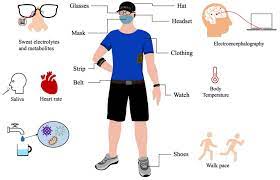
In recent years, wearable sensor technology has seen remarkable progress, transforming the landscape of health monitoring and extending its influence to diverse fields beyond traditional healthcare. These compact and unobtrusive devices have become a quintessential part of modern life, empowering individuals to track and manage their health in real-time while also revolutionizing industries like sports, fitness, and even entertainment. This article explores some of the key advancements in wearable sensor technology and its potential to revolutionize various aspects of our lives.
- Enhanced Health Monitoring: One of the most significant breakthroughs in wearable sensor technology lies in its ability to provide comprehensive health monitoring beyond basic fitness tracking. Modern wearables are equipped with a wide range of sensors that can monitor vital signs such as heart rate, blood pressure, oxygen saturation, and body temperature, enabling users to gain insights into their health status and make informed decisions about their well-being. Moreover, wearable sensors can detect irregularities and alert users and medical professionals, allowing for early intervention and prevention of potential health issues.
- Chronic Disease Management: Wearable sensors are playing a pivotal role in the management of chronic diseases like diabetes, asthma, and cardiovascular conditions. Continuous glucose monitoring systems, for instance, help diabetics monitor their blood sugar levels in real-time, reducing the need for frequent finger pricking. Similarly, wearable devices can track respiratory rates and heart health, providing valuable data for patients and their healthcare providers to optimize treatment plans and improve outcomes.
- Remote Patient Monitoring: Wearable sensors have become instrumental in enabling remote patient monitoring, especially in times when access to healthcare facilities may be limited. Patients can wear these devices at home, and the data they collect can be transmitted to healthcare professionals for analysis and evaluation. This facilitates timely intervention, reduces hospital readmissions, and enhances overall patient care.
- Mental Health Support: Advancements in wearable sensor technology have paved the way for mental health monitoring as well. Wearables can track physiological indicators like heart rate variability and sleep patterns, which provide valuable insights into an individual's stress levels and emotional well-being. Coupled with sophisticated algorithms and machine learning, these devices can alert users about potential signs of anxiety, depression, or other mental health issues, encouraging them to seek appropriate support.
- Sports and Fitness Performance: Wearable sensors have revolutionized the world of sports and fitness by providing athletes and fitness enthusiasts with detailed performance data. From monitoring heart rate and calorie expenditure during workouts to analyzing gait and movement patterns, these devices help optimize training regimes and prevent injuries. They have become essential tools for both professional athletes and recreational fitness enthusiasts, helping them achieve their goals safely and efficiently.
- Virtual Reality and Augmented Reality Integration: Wearable sensor technology is making virtual reality (VR) and augmented reality (AR) experiences more immersive and interactive. By incorporating sensors into VR headsets and AR glasses, these devices can track user movements and gestures, enhancing the overall user experience and enabling natural interactions within virtual environments.
- Assistive Technologies: Wearable sensors are also playing a significant role in assistive technologies for individuals with disabilities. For example, wearable devices can be integrated with prosthetics to provide better control and feedback, enhancing mobility and independence for amputees.
The advancements in wearable sensor technology are nothing short of remarkable, and they continue to push the boundaries of what is possible. As these devices become more sophisticated, smaller, and seamlessly integrated into our daily lives, they have the potential to revolutionize health monitoring and bring transformative changes to various industries, creating a brighter and healthier future for us all.