Advancements in Patient Warming Devices: Enhancing Comfort and Outcomes

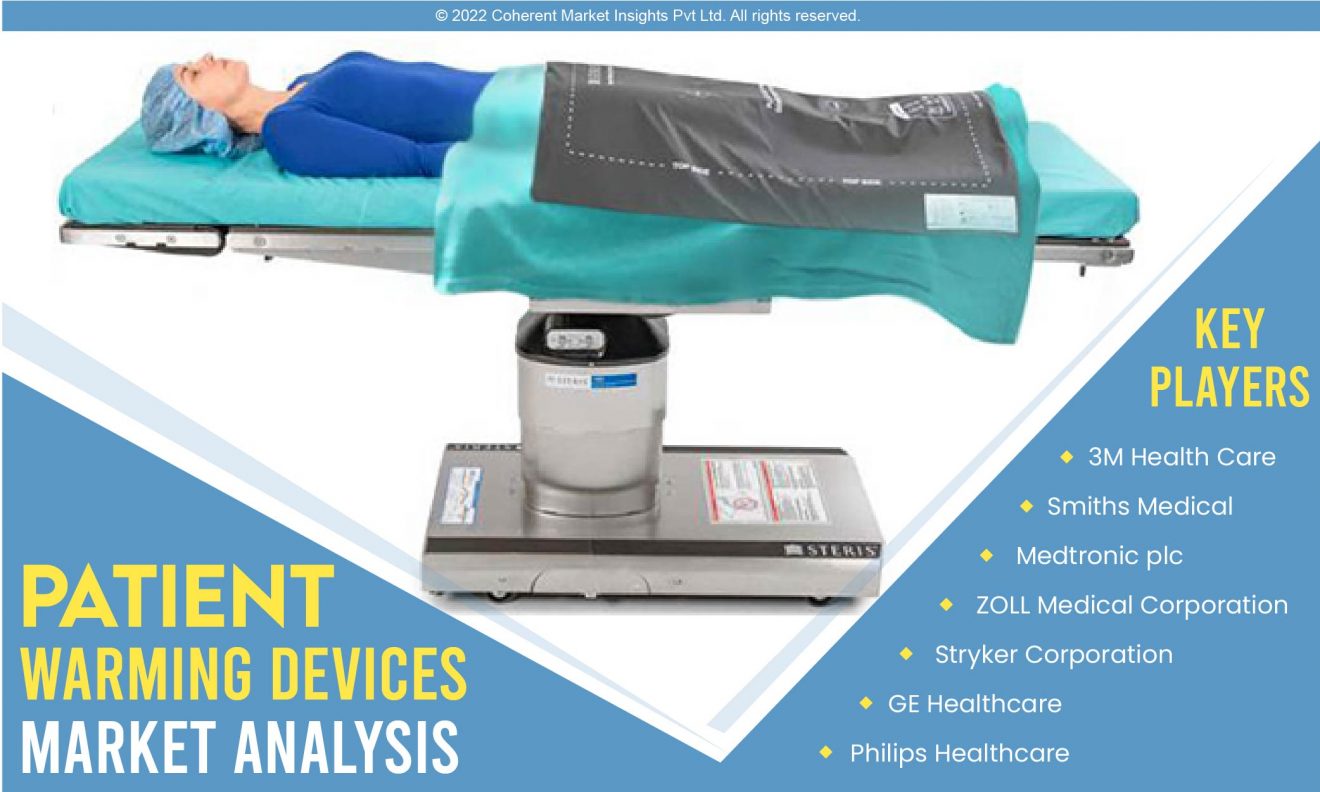
Patient warming devices have become integral to modern medical care, particularly in surgeries, post-operative recovery, and critical care settings. The maintenance of a patient's body temperature is crucial for their well-being, as even mild hypothermia can lead to various complications, including increased risk of surgical site infections, prolonged hospital stays, and delayed recovery. In recent years, significant advancements in patient warming technology have revolutionized healthcare practices, offering enhanced comfort and improved patient outcomes. This article explores some of the latest innovations in patient warming devices that are reshaping the landscape of medical care.
- Active Warming Technologies
One of the most notable advancements in patient warming devices is the adoption of active warming technologies. These devices utilize various methods such as forced-air, circulating warm water, or resistive heating to deliver precise and consistent warmth to the patient's body. Unlike traditional passive warming methods that merely conserve body heat, active warming actively raises the patient's temperature, minimizing the risk of hypothermia during surgeries and recovery. The precise control of temperature ensures patients experience enhanced comfort, leading to better overall outcomes.
- Warming Blankets and Pads
Warming blankets and pads have been a staple in patient warming for many years, but recent advancements have significantly improved their functionality. Innovative materials and smart controls have been incorporated into these devices, ensuring even heat distribution and preventing the risk of burns or overheating. Furthermore, the integration of temperature sensors and monitoring capabilities allows medical professionals to closely track the patient's temperature and adjust the warming intensity as needed. This personalized approach optimizes patient comfort and contributes to improved recovery rates.
- Fluid Warming Systems
Intravenous (IV) fluids are a critical component of patient care, and maintaining them at the right temperature is vital for optimal effectiveness. Advancements in fluid warming systems ensure that the fluids administered to patients are at the appropriate temperature, thereby preventing hypothermia and promoting better patient outcomes. By supporting the body's natural response to treatment, warmed fluids contribute to faster healing and reduce the risk of complications.
- Radiant Warming Devices
Radiant warming devices, such as radiant warmers and heat lamps, have been developed to deliver focused and controlled warmth to specific areas of the patient's body. These devices are particularly useful in neonatal care and surgeries where maintaining a constant and safe temperature for delicate patients is crucial. By providing localized warmth, these devices enhance the comfort of patients, which aids in their recovery and reduces the likelihood of postoperative complications.
- Integrated Temperature Management Systems
Advancements in patient warming have also led to the development of integrated temperature management systems. These sophisticated setups combine multiple warming technologies, monitoring devices, and smart algorithms to deliver personalized and optimized warming solutions for individual patients. The integration of various warming techniques ensures a seamless and efficient approach to patient care, allowing medical professionals to tailor treatments according to each patient's unique needs.
- Wireless and Wearable Warming Devices
Wireless and wearable patient warming devices have emerged as a convenient and patient-friendly solution. These compact, battery-operated devices provide the flexibility for patients to move freely while receiving the benefits of therapeutic warmth. They are particularly useful in post-operative recovery, allowing patients to engage in light physical activities without compromising their comfort or treatment. This increased mobility not only enhances patient satisfaction but also contributes to faster recovery times.
- Energy-Efficient Solutions
As healthcare becomes increasingly conscious of its environmental impact, energy-efficient patient warming solutions have gained prominence. Manufacturers are now designing devices that consume less power while maintaining optimal performance. By using energy-efficient warming devices, hospitals can reduce their carbon footprint and contribute to sustainability efforts while delivering high-quality patient care.
Conclusion
Advancements in patient warming devices have ushered in a new era of patient care, significantly enhancing comfort and improving outcomes. Active warming technologies, advanced warming blankets and pads, fluid warming systems, radiant warming devices, integrated temperature management systems, wireless and wearable devices, and energy-efficient solutions have collectively revolutionized patient warming practices. These cutting-edge technologies not only prevent hypothermia but also contribute to faster recoveries, shorter hospital stays, and better overall patient experiences. As medical technology continues to evolve, patient warming devices are set to become even more efficient, user-friendly, and environmentally conscious, further revolutionizing the landscape of healthcare and patient well-being.
Top of Form