Structural Steel: The Backbone of Modern Architecture and Engineering Marvels

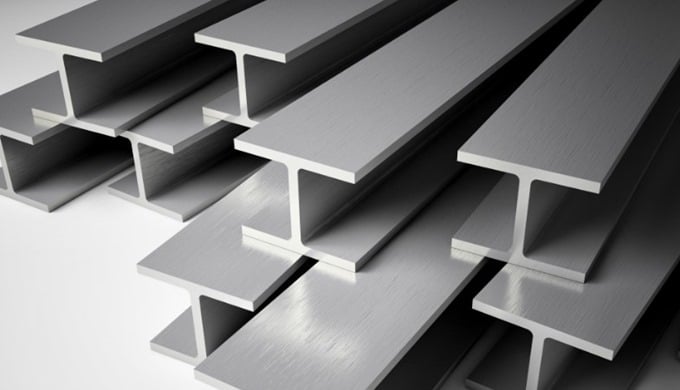
Structural Steel: The Backbone of Modern Construction
Structural steel is a vital material that forms the backbone of modern construction, providing strength, durability, and versatility to a wide range of architectural and engineering projects. As a fundamental component of buildings, bridges, industrial facilities, and infrastructure, structural steel has revolutionized the construction industry and enabled the realization of awe-inspiring structures worldwide.
Composition and Properties
Structural steel is an alloy composed primarily of iron, carbon, and small amounts of other elements such as manganese, phosphorus, sulfur, and silicon. The presence of carbon imparts strength to the steel, while other alloying elements contribute to specific properties like increased toughness, corrosion resistance, and weldability. The carbon content typically ranges from 0.2% to 2.1%, and the exact composition depends on the grade and intended application.
One of the most significant advantages of structural steel is its exceptional strength-to-weight ratio. This property allows designers to create robust structures without burdening them with excessive weight, making it particularly attractive for skyscrapers and long-span bridges.
Versatility in Construction
The versatility of structural steel allows for various design possibilities. Its malleability and ductility enable architects and engineers to fashion elaborate shapes and forms, giving rise to iconic buildings with stunning aesthetics. From curvilinear facades to soaring cantilevers, structural steel offers creative freedom that traditional construction materials cannot match.
The ease of fabrication and quick assembly on-site make structural steel an efficient choice for both large-scale and time-sensitive projects. Pre-engineered steel structures, such as steel-framed buildings and modular components, have become increasingly popular due to their cost-effectiveness and reduced construction time.
Structural Steel in Sustainable Construction
Sustainability is a critical consideration in modern construction practices, and structural steel has proven itself as an environmentally friendly choice. The recyclability of steel is a significant advantage, as it can be recycled indefinitely without losing its essential properties. At the end of a building's life, the steel components can be repurposed or melted down to create new structures, reducing the demand for virgin resources.
Additionally, the lightweight nature of steel reduces the environmental impact during transportation, cutting down on fuel consumption and associated greenhouse gas emissions.
Resilience and Safety
Structural steel possesses remarkable resilience, making it ideal for withstanding external forces like earthquakes, hurricanes, and heavy loads. This attribute is especially crucial in regions prone to natural disasters, where buildings constructed with steel can offer enhanced safety for occupants.
The predictability of steel's behavior under various conditions allows for precise engineering calculations, ensuring that structures meet or exceed safety standards. Additionally, steel's fire-resistant properties have led to the development of fire-resistant coatings and fireproofing materials, making it a reliable choice for buildings that demand high fire safety standards.
Conclusion
In conclusion, structural steel stands as an indomitable force in modern construction, embodying strength, versatility, sustainability, and safety. Its ability to support visionary architectural designs, combined with its eco-friendly attributes, ensures its continued prominence in shaping the skylines and infrastructure of the future. From the iconic skyscrapers of urban centers to the bridges that span vast distances, structural steel continues to play a pivotal role in shaping the world we live in today.