Ethylene: The Revolutionary Green Gas Transforming Industries and the Environment

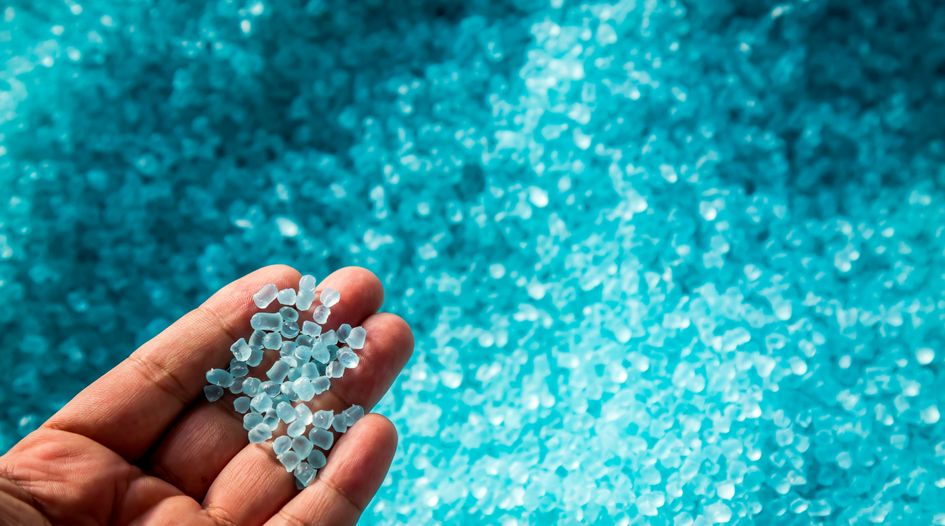
Ethylene, a simple hydrocarbon with the chemical formula C2H4, plays a crucial role in various aspects of our lives. This colorless, flammable gas is a fundamental building block in the world of chemistry, agriculture, and industry. Its discovery and significance have transformed the landscape of numerous fields, ranging from plastics manufacturing to fruit ripening and beyond. In this article, we will delve into the multifaceted properties and applications of ethylene, exploring its impact on both human endeavors and the environment.
Chemical Properties
Ethylene consists of two carbon atoms and four hydrogen atoms, connected by a double bond between the carbon atoms. This unique structure allows it to participate in a variety of chemical reactions, making it a cornerstone of organic chemistry. One of its most notable features is its ability to undergo polymerization, leading to the formation of polyethylene, one of the most widely used plastics in the world.
Industrial Applications
The industrial applications of ethylene are vast and diverse. As a key raw material in the production of polyethylene, it is the foundation for countless plastic products, including packaging materials, containers, and even medical equipment. Additionally, ethylene is used in the manufacture of other essential chemicals such as ethylene oxide, ethylene glycol, and vinyl chloride.
Agricultural Significance
Beyond industry, ethylene significantly impacts agriculture. It is a natural plant hormone that regulates various physiological processes, including fruit ripening, seed germination, and flower development. The controlled release of ethylene is used to accelerate fruit ripening in commercial settings, facilitating the timely delivery of ripe produce to consumers.
Environmental Concerns
While ethylene is a crucial component in many industrial processes, its uncontrolled release can contribute to environmental concerns. It is considered a greenhouse gas and can affect air quality, contributing to smog formation. Reducing ethylene emissions through improved industrial practices and waste management is a crucial step towards mitigating its environmental impact.
Cutting-Edge Research
Researchers continue to explore the potential applications of ethylene in cutting-edge technologies. From the development of new biodegradable plastics to enhancing plant growth for sustainable agriculture, the versatility of ethylene remains at the forefront of scientific investigations.
Conclusion
Ethylene's journey from a simple hydrocarbon discovery to a multifaceted cornerstone of various industries and agriculture is a testament to the significance of basic scientific research. Its contributions have revolutionized plastics manufacturing, improved food supply chains, and influenced environmental consciousness. As technology advances, ethylene will likely continue to be a crucial element in shaping a more sustainable and innovative future for humankind.