Advancements in Venipuncture Needle and Syringes: Improving Precision, Comfort, and Safety

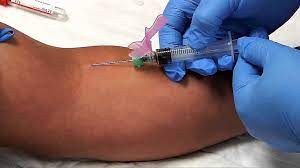
Venipuncture, the process of obtaining a blood sample from a patient's vein, is a routine medical procedure performed in various healthcare settings, including hospitals, clinics, and laboratories. It serves as a crucial diagnostic tool for assessing overall health and diagnosing various medical conditions. Over the years, significant advancements have been made in venipuncture needles and syringes, aimed at enhancing precision, comfort, and safety for both healthcare professionals and patients.
Precision is a key factor in venipuncture, as accurate sample collection is essential for reliable diagnostic results. Traditional needles have been relatively effective in obtaining blood samples, but advancements in technology have led to the development of ultra-thin, high-gauge needles. These advanced needles reduce patient discomfort and make the process less intimidating, particularly for individuals with a fear of needles. With improved sharpness and smoothness, these modern venipuncture needles cause minimal tissue trauma, resulting in less bruising and faster healing times.
Another significant advancement is the introduction of safety-engineered venipuncture needles and syringes. These devices incorporate various safety features to protect healthcare professionals from accidental needlestick injuries, which pose a risk of exposure to bloodborne pathogens. One example is the retractable needle, which automatically retracts into the syringe barrel after use, eliminating the need for manual manipulation and reducing the likelihood of accidental needlestick injuries.
Furthermore, needlestick injuries can occur when transferring blood from the syringe to the specimen container. To address this issue, manufacturers have designed closed-system blood collection devices, such as needleless transfer devices or vacutainer systems. These systems ensure a closed and hygienic transfer of blood samples, preventing contamination and reducing the risk of accidental exposure.
Comfort is another crucial aspect of venipuncture, as patients' experience can significantly impact their willingness to undergo future procedures. To address this concern, venipuncture needle designs have evolved to minimize pain and discomfort during the blood collection process. The development of butterfly needles, for instance, has been a game-changer for pediatric and difficult-to-access veins. These needles have small, flexible wings that allow for easier maneuverability and reduced discomfort during insertion.
Additionally, advances in syringe technology have improved the overall venipuncture experience for patients. Modern syringes now come with features such as smoother plungers and reduced dead space, which allows for more efficient blood aspiration and better control over the blood flow during collection.
Safety and infection control have always been critical considerations in healthcare, and venipuncture is no exception. Sterilization and single-use guidelines are strictly followed, but the introduction of safety-engineered needles and closed-system collection devices further enhances infection control measures.
In conclusion, the advancements in venipuncture needles and syringes have greatly improved the precision, comfort, and safety of this essential medical procedure. Healthcare professionals can now confidently perform venipuncture with minimal risk of needlestick injuries, while patients experience less pain and anxiety during the process. As technology continues to evolve, we can expect further innovations in this field, leading to even more refined and patient-friendly venipuncture techniques in the future.