Advancements in Surgical Glues: Improving Wound Closure and Tissue Adhesion

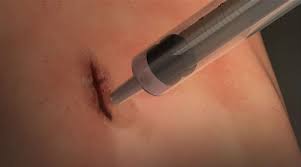
In the field of medicine, the need for effective wound closure and tissue adhesion methods has always been paramount. Surgical glues have emerged as a promising alternative to traditional sutures and staples, offering numerous advantages in terms of ease of use, reduced scarring, and improved patient outcomes. Over the years, significant advancements have been made in the development of surgical glues, revolutionizing the way wounds are treated and surgeries are performed.
Traditional wound closure methods like sutures and staples have been widely used for decades. However, these methods can be time-consuming, require skilled personnel for application, and may result in undesirable scarring and tissue damage. Surgical glues, also known as tissue adhesives or bioadhesives, have gained popularity as a reliable and less invasive option for wound closure and tissue bonding.
One of the most significant advancements in surgical glues is the development of new formulations that offer enhanced properties. Modern surgical glues are designed to be biocompatible, meaning they are well-tolerated by the body and do not cause adverse reactions. They are often made from biodegradable materials, such as cyanoacrylates or polyurethanes, which are absorbed by the body over time, eliminating the need for removal after the wound has healed.
Another critical advancement is the improvement in adhesive strength and flexibility. Early versions of surgical glues were limited in their ability to adhere to different types of tissues and withstand mechanical stresses. However, with ongoing research and development, newer glues have been formulated to exhibit stronger adhesion and better flexibility, allowing them to be used in various surgical procedures across different body tissues.
Furthermore, advancements in surgical glue technology have led to the introduction of light-activated glues. These glues are applied in a liquid form and then cured using light, typically ultraviolet (UV) light. The use of light activation allows for precise control over the application process and ensures that the glue adheres only to the intended area, minimizing the risk of leakage or tissue damage.
In addition to improving wound closure, surgical glues have found applications in other medical fields, such as organ and tissue transplantation. They have been utilized as sealants to prevent leaks in blood vessels and other hollow organs, reducing the risk of post-operative complications. Surgical glues have also shown promise in regenerative medicine, where they can be combined with tissue engineering approaches to support tissue repair and regeneration.
One of the main advantages of surgical glues is their ability to create a barrier against pathogens, reducing the risk of infection. Compared to traditional wound closure methods, which create punctures or openings in the skin, surgical glues seal the wound completely, preventing bacteria from entering the wound site. This can be particularly beneficial in contaminated or high-infection-risk surgical procedures.
Despite these advancements, there are still challenges that need to be addressed in the field of surgical glues. For instance, the optimal balance between adhesive strength and biodegradability needs to be fine-tuned. Additionally, research is ongoing to improve the bonding of glues to wet or bloody surfaces, as maintaining effective adhesion in these conditions remains a concern.
In conclusion, advancements in surgical glues have significantly improved wound closure and tissue adhesion techniques. These innovations have led to the development of biocompatible, strong, and flexible glues that offer better patient outcomes, reduced scarring, and improved surgical procedures. As technology continues to evolve, surgical glues are expected to play an even more prominent role in modern medicine, further enhancing the way wounds are treated and surgeries are performed.