Acrylic Acid Market: Versatile Chemical with a Broad Spectrum of Applications

Introduction
Acrylic acid is a versatile and essential chemical building block that finds its way into a wide range of products and industries. Known for its reactivity and ability to polymerize, acrylic acid is a crucial component in the production of various polymers and coatings. This article explores the flourishing acrylic acid market, its diverse applications, growth drivers, and its significance in shaping modern-day industries.
Understanding Acrylic Acid
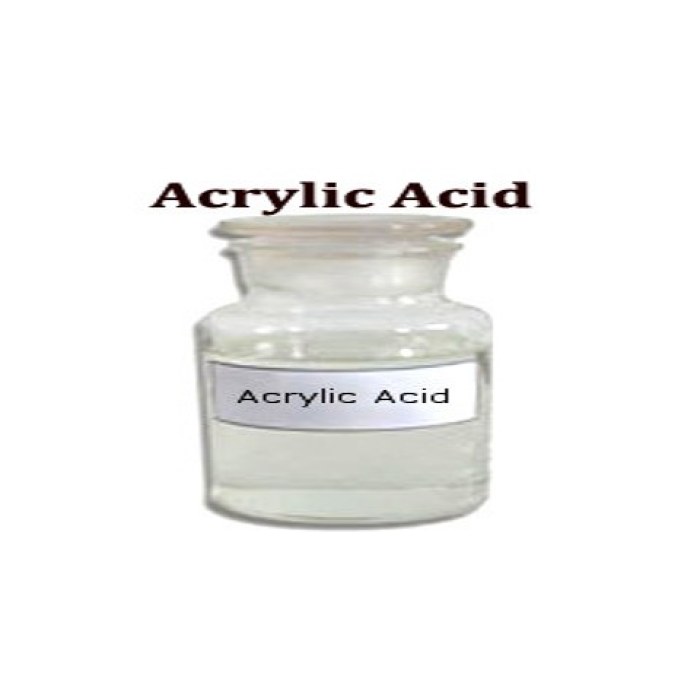
Acrylic acid is an organic compound with the chemical formula C3H4O2. It is a colorless liquid with a pungent odor and is highly soluble in water. The most common form of acrylic acid is glacial acrylic acid, which refers to the undiluted, high-purity liquid used as a raw material in several industries. This compound exhibits excellent reactivity with a wide range of chemicals, making it a sought-after component in numerous manufacturing processes.
Applications in Polymers and Resins
One of the primary applications of acrylic acid lies in the production of polymers and resins. Through polymerization, acrylic acid can be converted into various acrylic esters, such as methyl acrylate, ethyl acrylate, and butyl acrylate. These esters serve as building blocks for numerous polymers like polyacrylic acid, polymethyl acrylate, and polybutyl acrylate, which find use in:
-
Adhesives and Sealants: Acrylic-based adhesives and sealants offer excellent bonding properties, making them suitable for applications in construction, automotive, and manufacturing industries.
-
Coatings and Paints: Acrylic polymers are widely used as binders in paints and coatings, providing enhanced durability, weather resistance, and a smooth finish.
-
Textiles: Acrylic fibers are utilized in textile manufacturing due to their softness, warmth, and ability to mimic natural fibers like wool.
Applications in Personal Care and Hygiene
Acrylic acid derivatives, particularly superabsorbent polymers (SAPs), have revolutionized the personal care and hygiene industry. SAPs are highly absorbent materials used in the production of:
-
Diapers and Sanitary Products: SAPs enhance the absorbency of disposable diapers and feminine hygiene products, ensuring dryness and comfort for users.
-
Adult Incontinence Products: SAPs play a crucial role in the development of absorbent materials for adult incontinence products, promoting convenience and dignity for users.
Market Growth Drivers
The acrylic acid market's growth is propelled by several factors, including:
-
Growing Demand for Superabsorbent Polymers: The rising global population, increasing urbanization, and awareness about hygiene drive the demand for superabsorbent polymers in personal care products.
-
Expanding Coatings and Adhesives Industry: The construction and automotive industries' expansion fuels the demand for acrylic-based coatings and adhesives, fostering the acrylic acid market's growth.
-
Sustainable Initiatives: Acrylic acid manufacturers are increasingly adopting sustainable production processes, utilizing bio-based feedstocks, and optimizing energy efficiency.
Conclusion
The acrylic acid market serves as a backbone to various industries, offering an array of valuable applications. From superabsorbent polymers enhancing hygiene products to acrylic-based coatings and adhesives revolutionizing construction and manufacturing, acrylic acid's versatility and reactivity continue to play a pivotal role in shaping modern-day industries. As sustainability gains momentum in the chemical sector, innovative approaches to acrylic acid production are likely to further enhance its importance in numerous applications. With a promising outlook and ongoing advancements, the acrylic acid market remains a dynamic and essential element in the world of chemistry and manufacturing.