Transforming Building Exteriors: The Impact of Cladding Systems Market

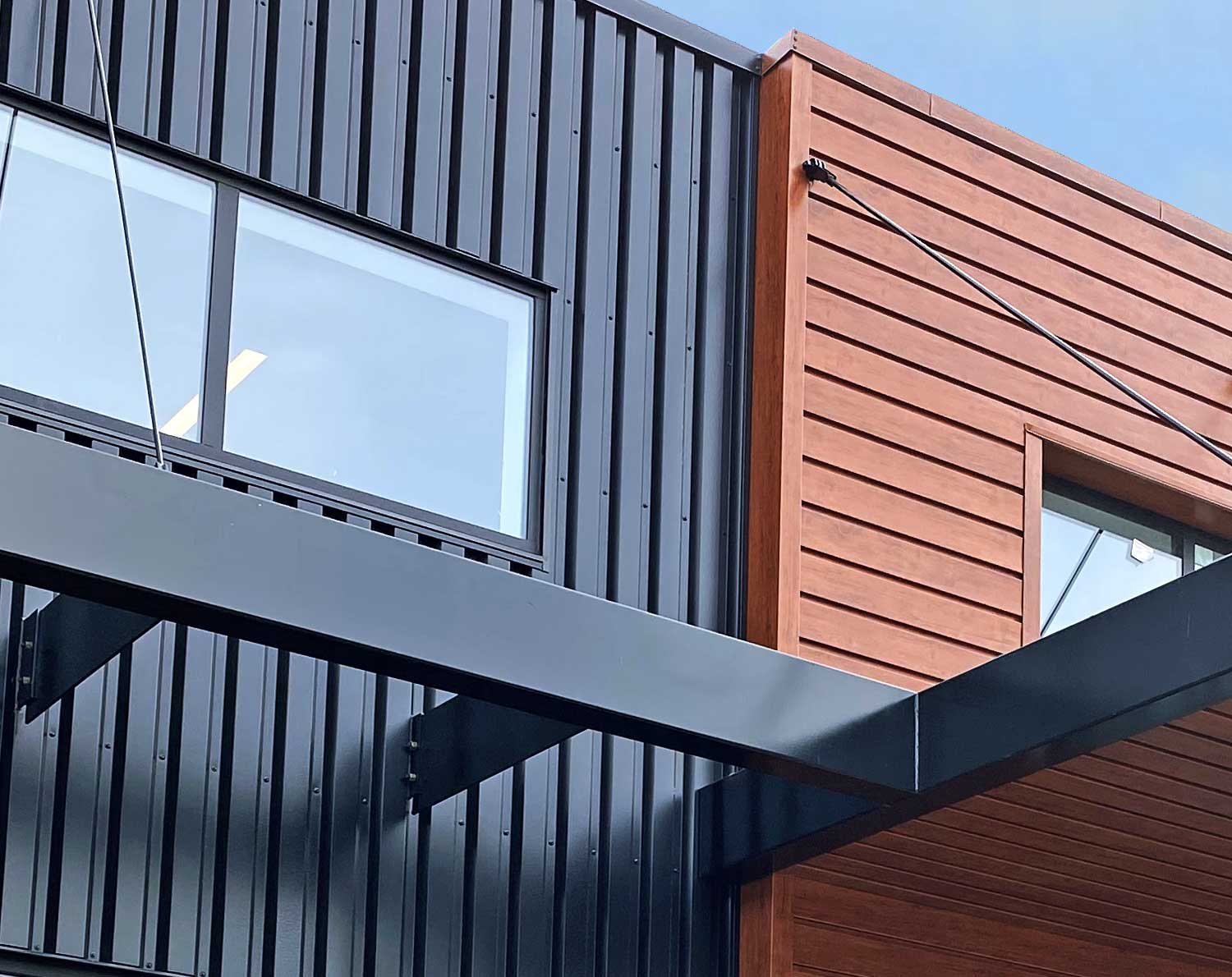
In the realm of modern architecture, the exterior of a building plays a crucial role in defining its aesthetics, functionality, and environmental sustainability. As cities continue to grow and urban landscapes evolve, the cladding systems market has emerged as a transformative force in the construction industry. Cladding, the practice of layering a building's exterior with materials such as metal, glass, stone, or composite panels, not only enhances the building's appearance but also offers numerous practical benefits.
The impact of cladding systems on the construction industry is multifaceted. Firstly, it brings a fresh wave of innovation to architectural design. With a myriad of materials, colors, textures, and patterns available, cladding allows architects to push the boundaries of creativity and create visually stunning facades that stand out in the urban jungle. This flexibility in design has led to the rise of iconic structures that captivate the public's imagination and redefine the skylines of cities worldwide.
Secondly, cladding systems contribute significantly to the energy efficiency and sustainability of buildings. As environmental concerns continue to gain traction, the demand for eco-friendly solutions has surged. Cladding materials like insulated metal panels (IMPs) and high-performance glass can improve a building's thermal performance, reducing energy consumption for heating and cooling. Additionally, cladding acts as a protective shield, enhancing the building's longevity by shielding it from harsh weather conditions, UV radiation, and pollution.
Furthermore, the cladding systems market has witnessed advancements in technology, giving rise to smart cladding solutions. Integrating sensors, data analytics, and automation, these systems enhance the building's functionality by adjusting to environmental changes and optimizing energy usage. Such developments align with the growing trend of creating intelligent, sustainable, and future-ready structures.
As the demand for efficient, aesthetically pleasing, and sustainable buildings continues to rise, the cladding systems market is expected to experience significant growth. Architects, developers, and construction companies are continually seeking innovative cladding solutions that offer a perfect balance of form and function. With ongoing research and development, we can expect to see even more groundbreaking materials and designs that will revolutionize building exteriors and redefine urban landscapes.