Screening Success: An In-depth Analysis of the Projector Screen Market

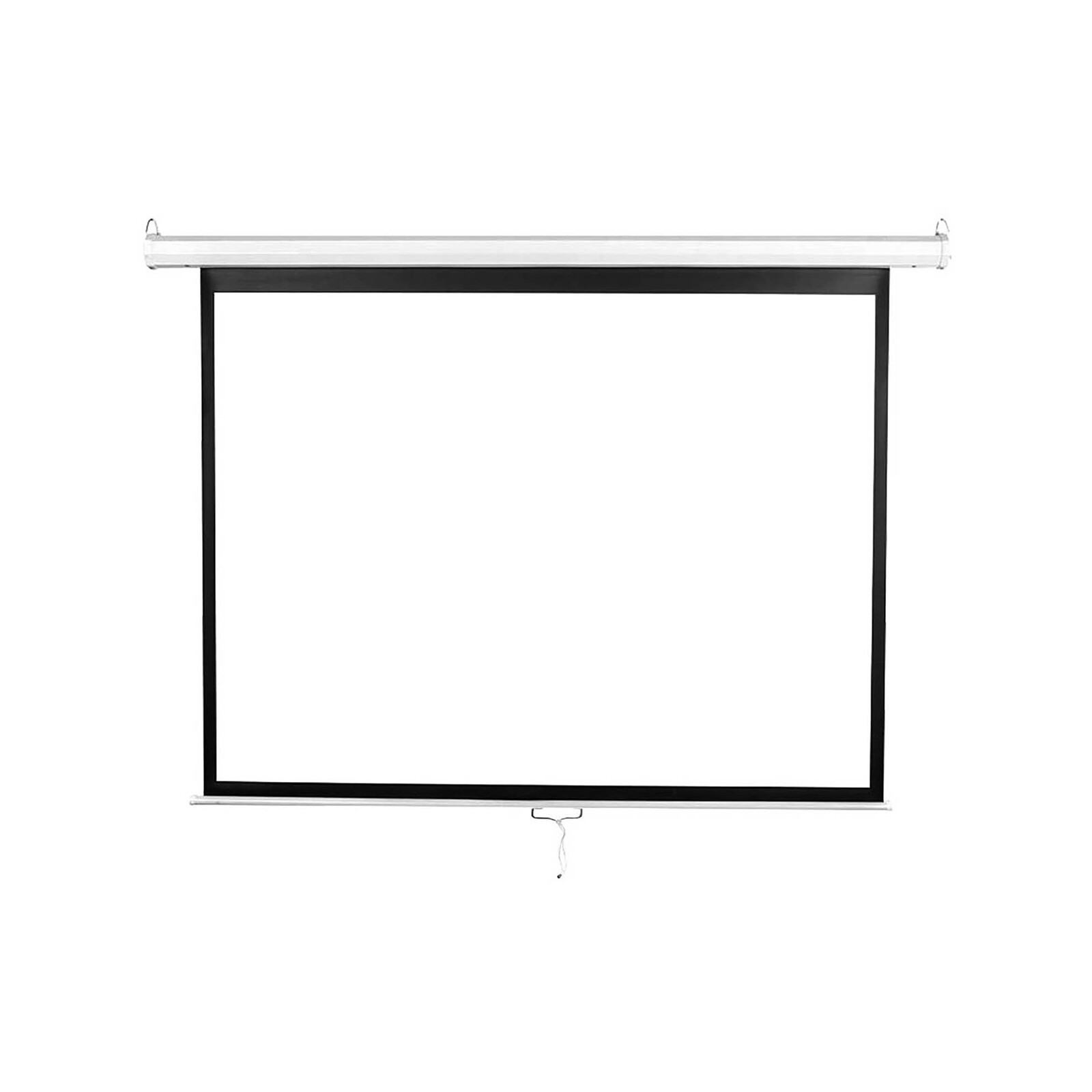
In today's fast-paced digital era, entertainment experiences have evolved significantly, and one aspect that continues to garner attention is the projector screen market. Projector screens have become an integral part of creating immersive visual experiences in various settings, from home theaters to corporate boardrooms and large-scale events. This blog will delve into an in-depth analysis of the projector screen market, exploring the key factors driving its success and the trends shaping its growth.
The first driving force behind the success of the projector screen market is the rising demand for high-quality visual experiences. As consumers increasingly seek to recreate the cinema experience in their homes, the demand for larger screens with better image quality has skyrocketed. Additionally, advancements in projection technologies, such as 4K and 8K resolution, have fueled the need for compatible screens that can deliver stunning visuals with exceptional clarity and color accuracy.
Furthermore, the corporate sector has also contributed significantly to the projector screen market's growth. Businesses and educational institutions are embracing multimedia presentations as a more engaging way to convey information. This trend has spurred the adoption of large projection screens in conference rooms and classrooms, enhancing communication and knowledge sharing.
Another factor driving the market is the rapid development of portable and outdoor projection screens. These innovative screens cater to the growing interest in outdoor movie nights, events, and sports screenings. Their flexibility and ease of setup have made them a hit among event organizers and consumers looking to enjoy cinematic experiences under the open sky.
Moreover, advancements in screen materials have revolutionized the market. Manufacturers are investing in research and development to create screens with enhanced reflectivity, wider viewing angles, and increased durability. As a result, customers now have access to a diverse range of projection surfaces, including matte white, grey, acoustically transparent, and ambient light-rejecting screens, allowing them to select the one that best suits their specific needs.
In conclusion, the projector screen market is on a trajectory of growth, driven by the increasing demand for immersive visual experiences and the rapid advancements in projection technologies. As entertainment preferences continue to evolve, the industry must adapt to cater to the changing demands of consumers and businesses alike. The future of the projector screen market promises to be dynamic and innovative, providing audiences with even more unforgettable cinematic experiences in various settings.