SCADA Market: Driving Efficiency and Reliability Across Industries

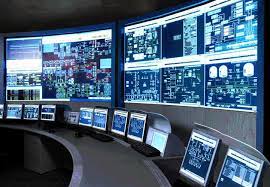
In the dynamic landscape of modern industries, the need for efficient and reliable systems to monitor and control processes is paramount. This is where SCADA (Supervisory Control and Data Acquisition) comes into play, revolutionizing the way industries operate. SCADA systems have emerged as the cornerstone of process automation, providing real-time data acquisition, monitoring, and control of critical infrastructure. By integrating sensors, controllers, and human-machine interfaces, SCADA empowers industries to optimize their operations, enhance productivity, and ensure safety.
SCADA's impact spans across various industries, including manufacturing, energy, water treatment, transportation, and more. One of the primary advantages of SCADA is its ability to centralize monitoring and control, allowing industries to gain valuable insights into their processes from a single location. This centralized approach significantly improves decision-making processes as stakeholders have access to real-time data, enabling them to respond promptly to any anomalies or critical situations.
Moreover, SCADA systems help industries achieve operational excellence through predictive maintenance capabilities. By continuously monitoring equipment and processes, SCADA can identify potential issues before they escalate into costly failures, minimizing downtime and reducing maintenance costs. This proactive approach not only boosts efficiency but also extends the lifespan of critical assets.
Furthermore, SCADA plays a pivotal role in ensuring the safety and security of industrial operations. With its ability to monitor and detect hazardous conditions, SCADA enables quick responses to emergencies, preventing accidents and safeguarding workers. Additionally, SCADA's security protocols protect against cyber threats, an ever-growing concern in today's interconnected world.
As industries evolve and the demand for data-driven insights increases, SCADA continues to evolve as well. Integration with other emerging technologies, such as the Internet of Things (IoT) and artificial intelligence, further enhances its capabilities, enabling predictive analytics and smart decision-making.
In conclusion, SCADA has become an indispensable tool in driving efficiency and reliability across industries. Its ability to streamline processes, ensure real-time monitoring, and optimize operations has led to improved productivity and reduced costs. As we embrace the Fourth Industrial Revolution, the adoption of SCADA will undoubtedly continue to soar, shaping the future of industries worldwide.