Lighting the Way: A Comprehensive Analysis of the LED Lighting Market

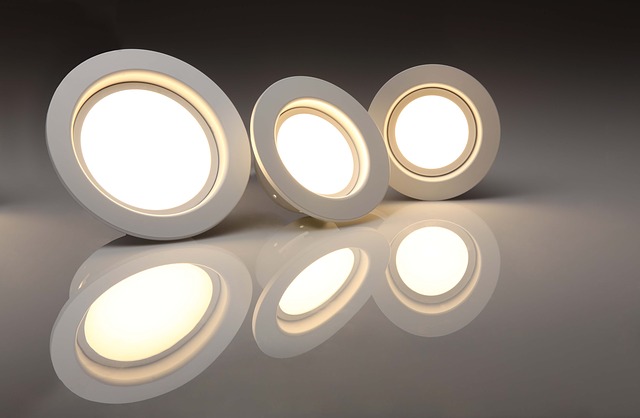
The LED lighting market has experienced a remarkable transformation over the past few decades, revolutionizing the way we illuminate our world. LEDs, or Light Emitting Diodes, have emerged as a game-changing technology, offering exceptional energy efficiency, longer lifespan, and a wide range of applications. As we delve into a comprehensive analysis of the LED lighting market, it becomes evident that this technology is not only a sustainable alternative but also a catalyst for reshaping the entire lighting industry.
One of the key factors driving the LED lighting market's growth is its unparalleled energy efficiency. Compared to traditional incandescent bulbs, LEDs consume significantly less power to produce the same amount of light, translating to substantial energy savings for consumers and businesses alike. The reduced energy consumption not only lowers electricity bills but also lessens the strain on power grids, contributing to a greener and more sustainable environment. Governments around the world are incentivizing the adoption of LED lighting as part of their energy conservation efforts, further fueling the market's expansion.
Another remarkable advantage of LED lighting is its extended lifespan. Traditional incandescent bulbs typically last around 1,000 hours, while LEDs can endure up to 50,000 hours or more. This exceptional longevity significantly reduces maintenance costs and the need for frequent replacements, making LEDs a cost-effective lighting solution in the long run. Consequently, commercial establishments and municipalities are increasingly embracing LEDs for streetlights and public spaces, creating a positive impact on their budgets and reducing environmental waste.
Moreover, the versatility of LEDs has opened up a plethora of lighting possibilities. LED technology allows for customizable colors, dimming capabilities, and directional lighting, enabling users to tailor the ambiance and mood to suit specific requirements. From home lighting and architectural applications to automotive lighting and entertainment venues, LEDs have revolutionized the way we think about lighting design. The integration of smart technology further enhances their appeal, offering features like automated controls and remote operation, enhancing convenience and energy optimization.
In conclusion, the LED lighting market's exponential growth can be attributed to its superior energy efficiency, extended lifespan, and versatility. As the world becomes increasingly conscious of the importance of sustainability and energy conservation, LEDs are positioned as a frontrunner in the lighting industry. With continuous advancements in LED technology, we can expect even greater innovations and market penetration, propelling us toward a brighter and greener future.