Future-Proofing Fish Farming: Exploring the Aquaculture Water Treatment Systems Market and Recirculating Aquaculture Systems (RAS) Market

In a world grappling with the challenges of overfishing, environmental degradation, and the increasing demand for protein-rich foods, the aquaculture industry has emerged as a promising solution. Aquaculture, or fish farming, has the potential to provide a sustainable source of seafood while reducing pressure on wild fish populations. As the industry evolves, innovative technologies such as Advanced Water Treatment Systems (AWTS) and Recirculating Aquaculture Systems (RAS) have taken center stage in the quest to future-proof fish farming.
Advanced Water Treatment Systems (AWTS) play a pivotal role in the sustainable development of fish farming. Traditional aquaculture systems often discharge large volumes of wastewater into surrounding water bodies, contributing to pollution and habitat destruction. AWTS offers a solution by efficiently treating and recycling the water used in fish tanks. These systems utilize a combination of physical, chemical, and biological processes to remove harmful substances such as excess nutrients, organic matter, and pollutants from the water. By reusing treated water, AWTS significantly reduces water consumption and minimizes the environmental impact of aquaculture operations. Furthermore, AWTS can be tailored to different types of fish species and production scales, making them a versatile and adaptable technology. The market for AWTS is expected to witness substantial growth as environmental regulations become stricter, and consumers increasingly demand sustainably sourced seafood.
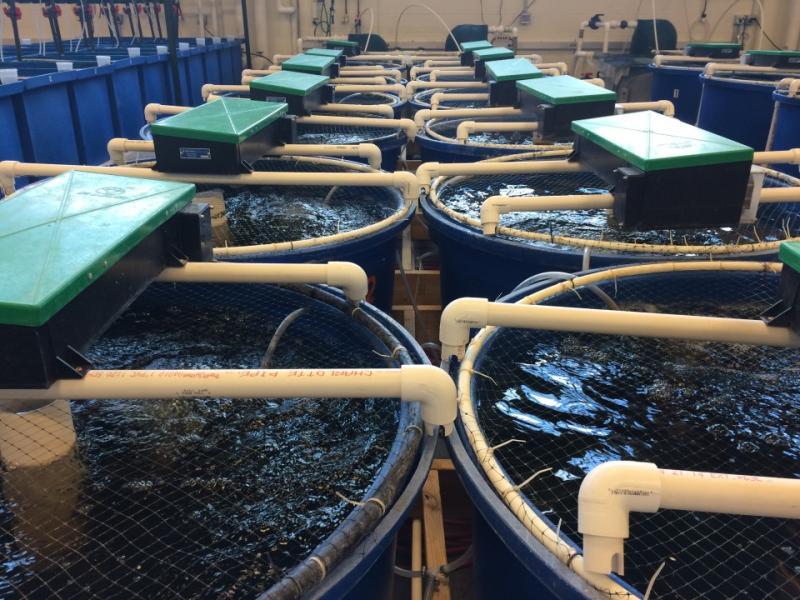
Recirculating Aquaculture Systems (RAS) represent another revolutionary technology transforming the fish farming landscape. RAS operates by creating a closed-loop system where water is continuously recirculated through the fish tanks after undergoing filtration and treatment. This controlled environment not only ensures optimal water quality but also enables fish farming to be conducted in locations with limited access to clean water bodies. RAS provides several advantages, including efficient land use, reduced disease transmission, and higher stocking densities. With RAS, farmers can closely monitor and manage crucial factors such as temperature, oxygen levels, and waste accumulation, resulting in healthier and faster-growing fish. The market for RAS is on the rise as investors recognize its potential to mitigate the risks associated with traditional open-net pen systems, which are susceptible to disease outbreaks and environmental fluctuations.
In conclusion, the future of fish farming hinges on sustainable and innovative technologies that minimize its ecological footprint while maximizing productivity. Advanced Water Treatment Systems (AWTS) and Recirculating Aquaculture Systems (RAS) have emerged as key players in this endeavor. These technologies not only address the environmental challenges posed by traditional aquaculture methods but also provide economic and operational benefits. As the world's population continues to grow, and the demand for seafood rises, embracing such advancements will be essential for meeting global food security goals while safeguarding our oceans and natural ecosystems. The AWTS and RAS market is set to expand significantly as governments, investors, and consumers recognize the value of these technologies in shaping a sustainable and thriving aquaculture industry.