Chilling Profits: A Comprehensive Analysis of the Commercial Refrigeration Equipment Market

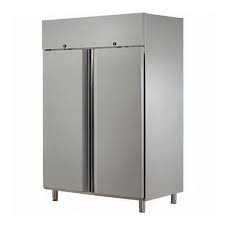
The commercial refrigeration equipment market has been witnessing remarkable growth in recent years, driven by various factors like the expanding food and beverage industry, growing demand for frozen food products, and increasing adoption of refrigeration technologies in the pharmaceutical and healthcare sectors. This comprehensive analysis explores the key trends, drivers, and challenges shaping the industry, as well as the opportunities for future growth.
One of the primary drivers of the commercial refrigeration equipment market is the booming food and beverage industry. As the global population continues to grow, the demand for processed and packaged food products has soared. To meet these demands, food businesses require efficient and reliable refrigeration systems to store and transport perishable goods, ensuring their freshness and quality. Additionally, the rapid expansion of quick-service restaurants, supermarkets, and convenience stores has further bolstered the need for commercial refrigeration equipment.
Moreover, the increasing popularity of frozen food products is a significant contributor to market growth. Consumers are opting for frozen food items due to their convenience, longer shelf life, and preserved nutritional value. This shift in consumer preferences has led food retailers and distributors to invest in advanced refrigeration technologies that can handle larger inventories and maintain optimal temperatures.
The healthcare and pharmaceutical sectors have also embraced commercial refrigeration equipment to store temperature-sensitive medications, vaccines, and laboratory samples. Maintaining precise and stable temperatures is crucial in preserving the efficacy of these products, driving the demand for specialized medical-grade refrigeration units.
Despite the promising growth prospects, the commercial refrigeration equipment market faces certain challenges. Energy consumption remains a key concern, prompting manufacturers to develop energy-efficient and eco-friendly refrigeration solutions. Additionally, the high initial costs associated with purchasing and installing commercial refrigeration equipment can be a deterrent for small businesses.
In conclusion, the commercial refrigeration equipment market is witnessing robust growth, propelled by the expanding food and beverage industry, the rise in frozen food consumption, and the increasing demand from healthcare and pharmaceutical sectors. While challenges persist, the industry's future appears bright, with a growing focus on sustainability and innovation. As businesses continue to prioritize quality and freshness, investments in advanced commercial refrigeration equipment are expected to soar, opening up new avenues for growth and profitability.