Blowing Agents: Unleashing the Power of Innovation in Foam Manufacturing

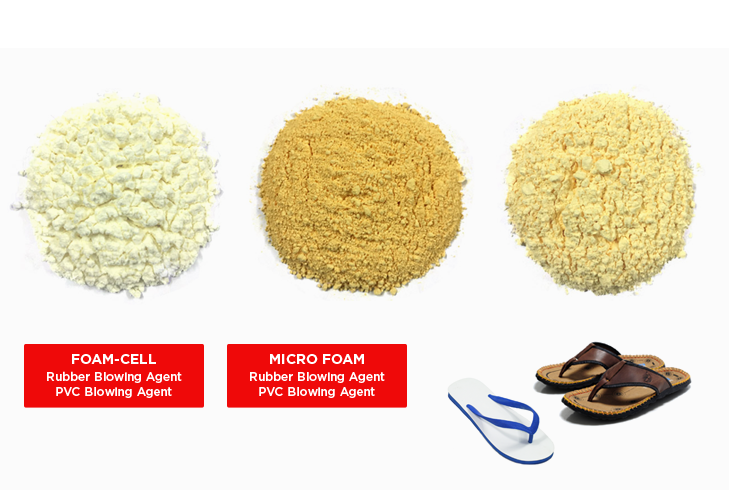
Blowing agents are crucial additives used in various industries, particularly in foam manufacturing and insulation applications. These agents play a pivotal role in creating lightweight and versatile materials, contributing to energy efficiency and sustainability in modern construction and manufacturing processes. In this article, we will explore the significance of blowing agents, their types, applications, and their impact on the environment and industry.
What are Blowing Agents?
Blowing agents are chemical compounds that are employed to produce cellular structures or foam materials. When integrated into a matrix, blowing agents generate gas bubbles that expand within the material, resulting in a foam with a cellular structure. These structures are lightweight, have excellent thermal and acoustic insulation properties, and find extensive use in diverse sectors.
Types of Blowing Agents
There are two primary categories of blowing agents: physical blowing agents and chemical blowing agents.
-
Physical Blowing Agents: These agents are typically gases or liquids that vaporize under specific conditions to form gas bubbles. Common physical blowing agents include hydrocarbons, hydrofluorocarbons (HFCs), hydrochlorofluorocarbons (HCFCs), and hydrofluoroolefins (HFOs). HFOs have gained prominence due to their low global warming potential (GWP) compared to HFCs and HCFCs, making them more environmentally friendly choices.
-
Chemical Blowing Agents: These agents decompose at elevated temperatures, releasing gas that expands the material and creates foam. Chemical blowing agents encompass azodicarbonamide, azobisformamide, and sodium bicarbonate. The choice of a blowing agent depends on the application, material compatibility, environmental impact, and regulations.
Applications of Blowing Agents
Blowing agents find applications across a wide range of industries, including:
-
Construction: Blowing agents are extensively used in the construction sector for insulation purposes. Polyurethane and polystyrene foams, produced with the aid of blowing agents, are employed to insulate buildings, homes, and refrigeration units, reducing energy consumption and greenhouse gas emissions.
-
Automotive: Lightweight foams generated using blowing agents are used in the automotive industry to reduce vehicle weight, enhance fuel efficiency, and improve overall performance.
-
Packaging: Expanded polystyrene foam, created using blowing agents, is employed in packaging materials to safeguard fragile items during transportation.
-
Appliances: Blowing agents are utilized in the production of insulation materials for appliances like refrigerators and freezers, contributing to energy conservation.
Environmental Impact and Regulation
The use of blowing agents has come under scrutiny due to their potential impact on the environment. Some physical blowing agents, such as HFCs and HCFCs, are known to have a high GWP and can contribute to ozone depletion and climate change. Consequently, international regulations like the Montreal Protocol and the Kigali Amendment aim to phase out the use of high-GWP blowing agents and promote the adoption of more environmentally friendly alternatives, like HFOs.
Conclusion
Blowing agents have revolutionized foam manufacturing and insulation industries, offering a sustainable and energy-efficient solution to various applications. As environmental concerns grow, the industry is continually working towards developing and adopting greener alternatives to reduce the environmental impact while maintaining the performance and functionality of foam materials. With ongoing research and advancements, blowing agents will continue to play a critical role in shaping a more sustainable future for various sectors and our planet.