Beryllium: Unraveling the Enigmatic Marvel of the Modern World

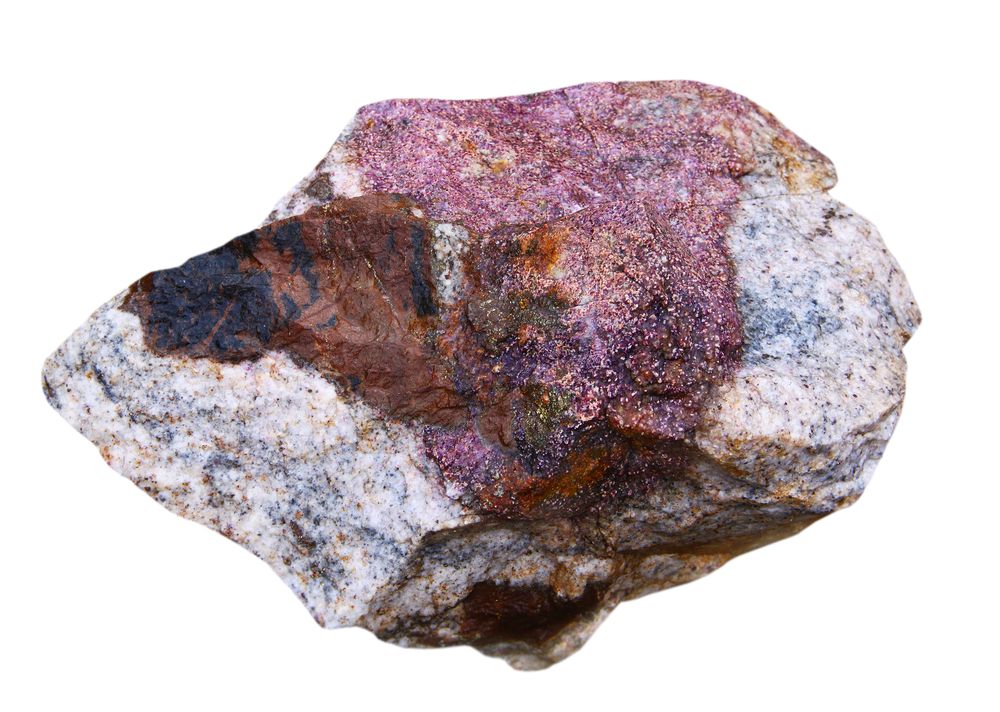
Beryllium: A Versatile and Essential Element in Modern Applications
Beryllium, a chemical element with the symbol Be and atomic number 4, is a remarkable metal renowned for its unique properties and widespread applications across various industries. Named after the mineral beryl, it was first isolated in 1828 by two chemists, Friedrich Wöhler and Antoine Bussy. Beryllium is a rare element found in the Earth's crust, usually in association with other elements such as aluminum, silicon, and oxygen. Despite its scarcity, its extraordinary characteristics have made it an invaluable component in numerous technological advancements.
Properties and Characteristics:
One of the most notable properties of beryllium is its low density and high stiffness, making it incredibly lightweight yet exceptionally strong. These characteristics have led to its extensive use in aerospace, defense, and high-tech applications. Beryllium also exhibits excellent thermal conductivity, making it an ideal material for heat sinks and other cooling devices.
Additionally, beryllium is non-magnetic and transparent to X-rays, making it indispensable in the medical field for X-ray windows and radiation detectors. Its electrical conductivity, coupled with its mechanical strength, allows for the production of beryllium-copper alloys used in high-performance electrical connectors and switches.
Applications:
The aerospace industry heavily relies on beryllium for manufacturing structural components, nozzles, and rocket engine parts due to its lightness and exceptional strength-to-weight ratio. Its use in satellite systems and other space technologies is crucial for space exploration.
Beryllium's unique properties also find application in the defense sector, where it is used to produce precision optical components, missile guidance systems, and high-performance radars. Its ability to withstand extreme conditions and high temperatures makes it indispensable for military applications.
In the nuclear industry, beryllium serves as a moderator and reflector for neutrons in nuclear reactors. Its low neutron absorption cross-section allows it to effectively moderate nuclear reactions, making it a key element in the production of nuclear energy.
Furthermore, beryllium is a crucial material in the production of semiconductors and electronic devices. Its use as a doping agent in silicon wafers enhances their electrical properties, enabling the manufacturing of high-performance electronics used in computers, smartphones, and other modern gadgets.
Health Concerns:
While beryllium offers remarkable properties and extensive applications, its toxic nature demands careful handling. Prolonged exposure to beryllium dust or fumes can lead to chronic beryllium disease (CBD), a serious lung condition. As a result, strict safety regulations and protective measures are necessary for those working with beryllium and its compounds.
Conclusion:
Beryllium's unique combination of properties has positioned it as a vital element in various cutting-edge technologies and industries. From aerospace to defense, electronics to nuclear energy, beryllium continues to play a crucial role in pushing the boundaries of innovation and progress. While its remarkable properties have undoubtedly contributed to modern advancements, responsible handling and safety measures must be implemented to ensure the well-being of those working with this exceptional element.