Assembling the Future: Innovations and Trends in the Automotive Assembly Market

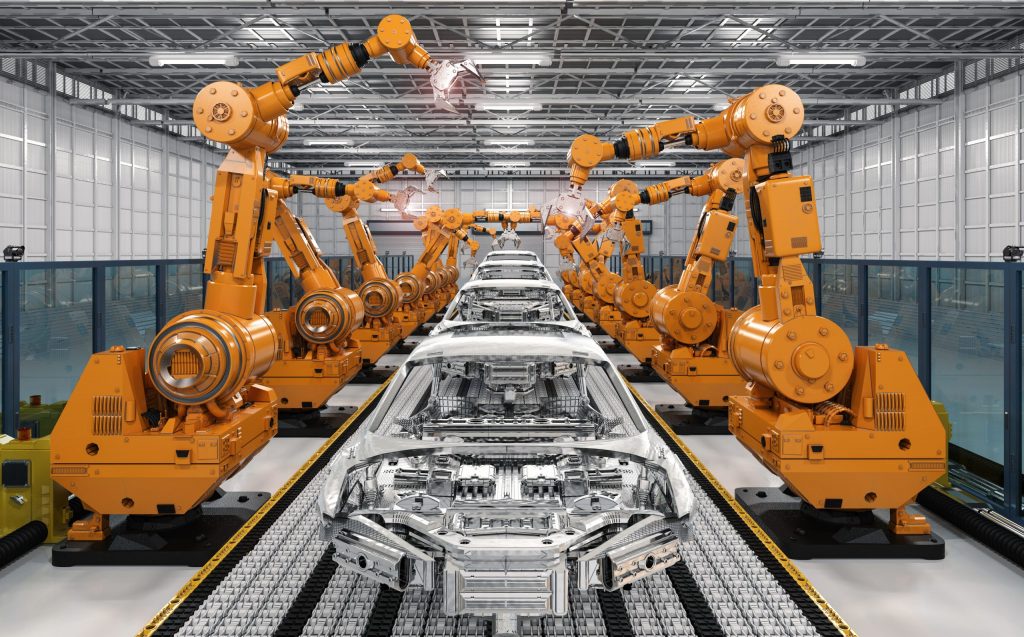
The automotive assembly market is at the forefront of innovation, continually evolving to meet the demands of modern consumers and the industry's sustainability goals. As technology advances at an unprecedented pace, automakers are exploring new ways to enhance production efficiency, safety, and sustainability. One of the most significant trends shaping the future of automotive assembly is the integration of artificial intelligence (AI) and robotics. Intelligent robots are being deployed on assembly lines to perform intricate tasks with precision and speed, reducing the margin of error and increasing overall productivity. These AI-driven systems can analyze data in real-time, making adjustments to optimize production processes and minimize waste.
Another vital trend is the rise of electric and autonomous vehicles. The shift towards electric vehicles (EVs) is not only driven by environmental concerns but also by the potential for streamlined assembly processes. EVs have fewer moving parts than traditional internal combustion engine vehicles, simplifying manufacturing and lowering maintenance costs. Additionally, with the growing interest in autonomous driving, car manufacturers are investing in cutting-edge technologies to integrate self-driving capabilities seamlessly. Advanced sensors, LiDAR, and computer vision systems are becoming integral to the assembly process, paving the way for the future of mobility.
Furthermore, sustainability has become a top priority for the automotive assembly market. Many manufacturers are adopting eco-friendly practices to reduce their carbon footprint. Recycling and reusing materials, investing in renewable energy sources, and implementing green manufacturing processes are becoming standard practices. Consumers are also more conscious of sustainable choices, influencing automakers to incorporate environmentally friendly materials in vehicle design and assembly.
In conclusion, the automotive assembly market is witnessing rapid transformations, driven by technological innovations, the emergence of electric and autonomous vehicles, and a focus on sustainability. The integration of AI and robotics, the transition to electric mobility, and environmentally friendly practices are shaping the future of automotive manufacturing. Embracing these trends will not only lead to increased efficiency and cost savings but also to a more sustainable and responsible automotive industry.