Evolving Consumer Choices and the Future of the Brandy Industry

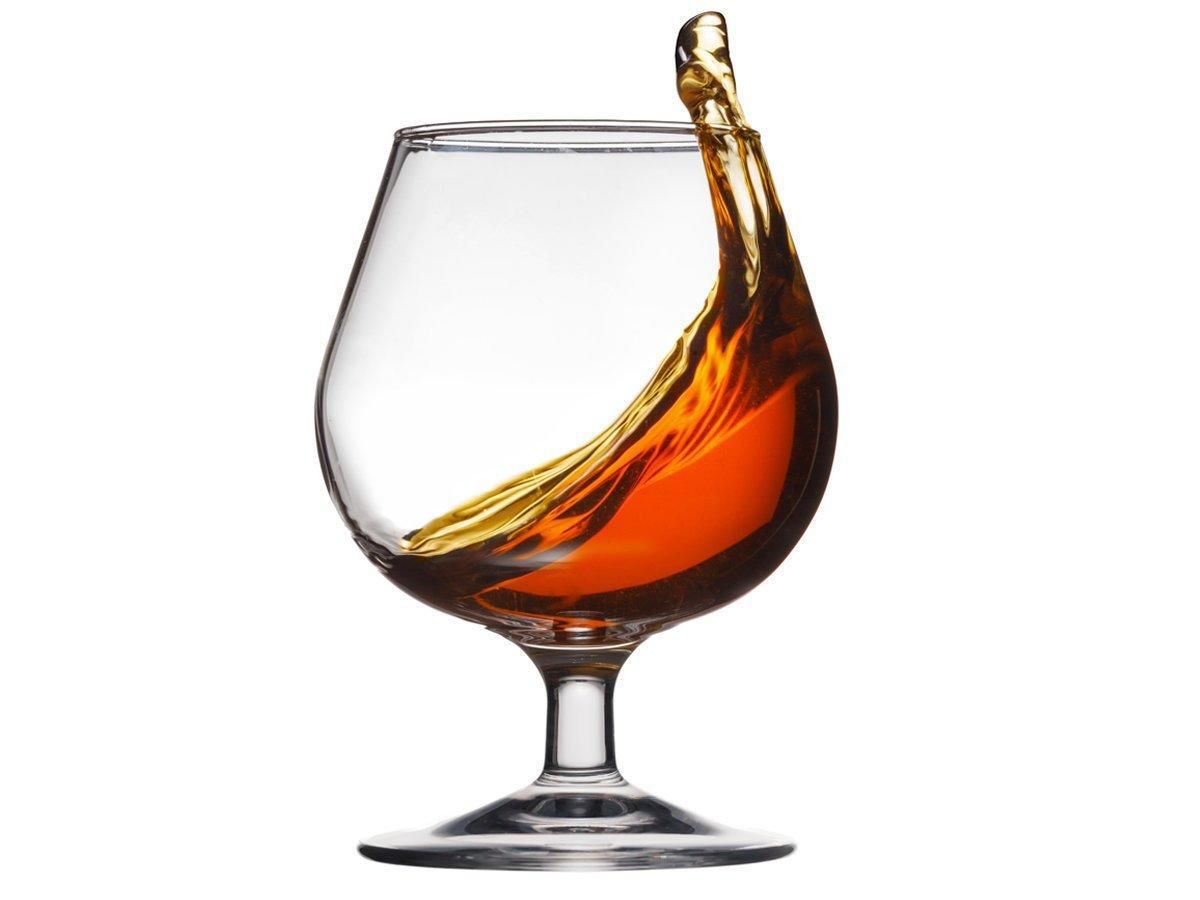
Brandy, a distinguished spirit with a century-old heritage, remains a favorite choice for connoisseurs and casual drinkers alike. This distilled wine or fermented fruit juice has evolved significantly, adapting to contemporary tastes while retaining its classical charm. Derived primarily from grapes, though sometimes fruits like apples and pears are used, brandy enjoys a rich history across several regions including Europe, the Americas, and Asia. Its diverse production techniques, aging processes, and flavor profiles contribute to a dynamic marketplace that reflects both tradition and innovation.
Deep Dive into Brandy Production Techniques and Aging Processes
Understanding how brandy is crafted helps consumers appreciate the nuances that differentiate one bottle from another. The production process begins with selecting high-quality base ingredients—typically grapes harvested with precision timing to ensure optimal sugar content. Fermentation transforms these sugars into alcohol, which is then distilled to increase purity and concentrate flavors. The distillation method, often conducted in pot stills or column stills, influences the spirit’s texture and aromatic complexity.
Aging is another vital aspect that shapes brandy’s character. Most brandies undergo maturation in oak barrels, where interaction with the wood imparts notes of vanilla, caramel, and spice. The duration spent aging varies widely—from a few years to several decades—resulting in classifications like VS (Very Special), VSOP (Very Superior Old Pale), and XO (Extra Old). This maturation not only softens the spirit but also enhances its depth, making aged brandies highly sought after in premium markets.
Examining Regional Differences Fueling Global Brandy Industry Development
Regional preferences and production styles strongly influence the global brandy landscape. Europe, particularly France and Spain, remains a powerhouse with iconic types such as Cognac and Armagnac. French Cognac is renowned for stringent quality regulations, blending grapes from specific crus and emphasizing long maturation periods. Spain’s brandies are typically aged using the solera system, which creates a unique layered complexity by blending spirits of different ages.
Outside Europe, the Americas present thriving markets where both domestic and imported brandies are popular. The United States and Mexico have witnessed surging demand fueled by premiumization and craft spirit trends. Additionally, emerging markets in Asia showcase rising consumer interest in brandy, supported by growing disposable incomes and evolving drinking habits.
Consumer Preferences and Demand Patterns Influencing Brandy Purchases
Current consumption patterns reveal intriguing shifts in how brandy is enjoyed. Younger drinkers, often gravitating toward cocktails, appreciate brandy’s versatility as a base ingredient in classic and modern beverages. Meanwhile, traditionalists favor neat consumption, highlighting the spirit’s smoothness and intricate flavor profile. Premium and super-premium segments demonstrate robust growth due to increasing consumer willingness to spend on high-quality, authentic spirits.
Sustainability and transparency are becoming key considerations, with consumers actively seeking brands that emphasize organic ingredients, eco-friendly packaging, and ethical production methods. This trend is prompting producers to innovate while maintaining authenticity, thereby strengthening brand loyalty across global markets.
Exploring In-Depth Findings from Comprehensive Brandy Research Reports
For businesses and investors, understanding the full scope of the brandy market is essential to capitalizing on emerging opportunities. Extensive reports available provide valuable insights into market segmentation by product type, distribution channels, and regional dynamics. These analyses include quantitative data on sales volume, revenue streams, and consumer demographics, enabling strategic planning.
Exploring such reports gives a granular view of competitive landscapes, highlighting key players, their market shares, and innovation strategies. Awareness of regulatory influences and tariff impacts also informs decisions related to export-import activities. This level of insight is crucial in aligning business models with evolving industry trends and consumer demand.
Brandy Product Innovations and Marketing Strategies Shaping Industry Future
The marketplace continues to evolve with exciting product innovations that attract diverse consumer bases. Infused brandies, flavored variants, and limited-edition releases capitalize on experimentation while respecting heritage. Collaborations with luxury brands and cultural icons enhance brand equity and consumer engagement.
Marketing strategies increasingly rely on digital platforms, storytelling, and influencer partnerships to connect with younger demographics. Personalized experiences, such as bespoke bottle designs and exclusive tasting events, contribute to enhanced brand visibility and differentiation. Retailers also leverage omnichannel approaches—integrating online and offline channels—to optimize reach and convenience.
Get this Report in Japanese Language: ブランディ・マーケット
Get this Report in Korean Language: 브랜디 마켓
Read More Articles Related to this Industry: Recent Development in Bay Leaves Industry
About Author:
Priya Pandey is a dynamic and passionate editor with over three years of expertise in content editing and proofreading. Holding a bachelor's degree in biotechnology, Priya has a knack for making the content engaging. Her diverse portfolio includes editing documents across different industries, including food and beverages, information and technology, healthcare, chemical and materials, etc. Priya's meticulous attention to detail and commitment to excellence make her an invaluable asset in the world of content creation and refinement.
(LinkedIn- https://www.linkedin.com/in/priya-pandey-8417a8173/)