Spandex Market Surge: Innovations Driving Sustainable Solutions

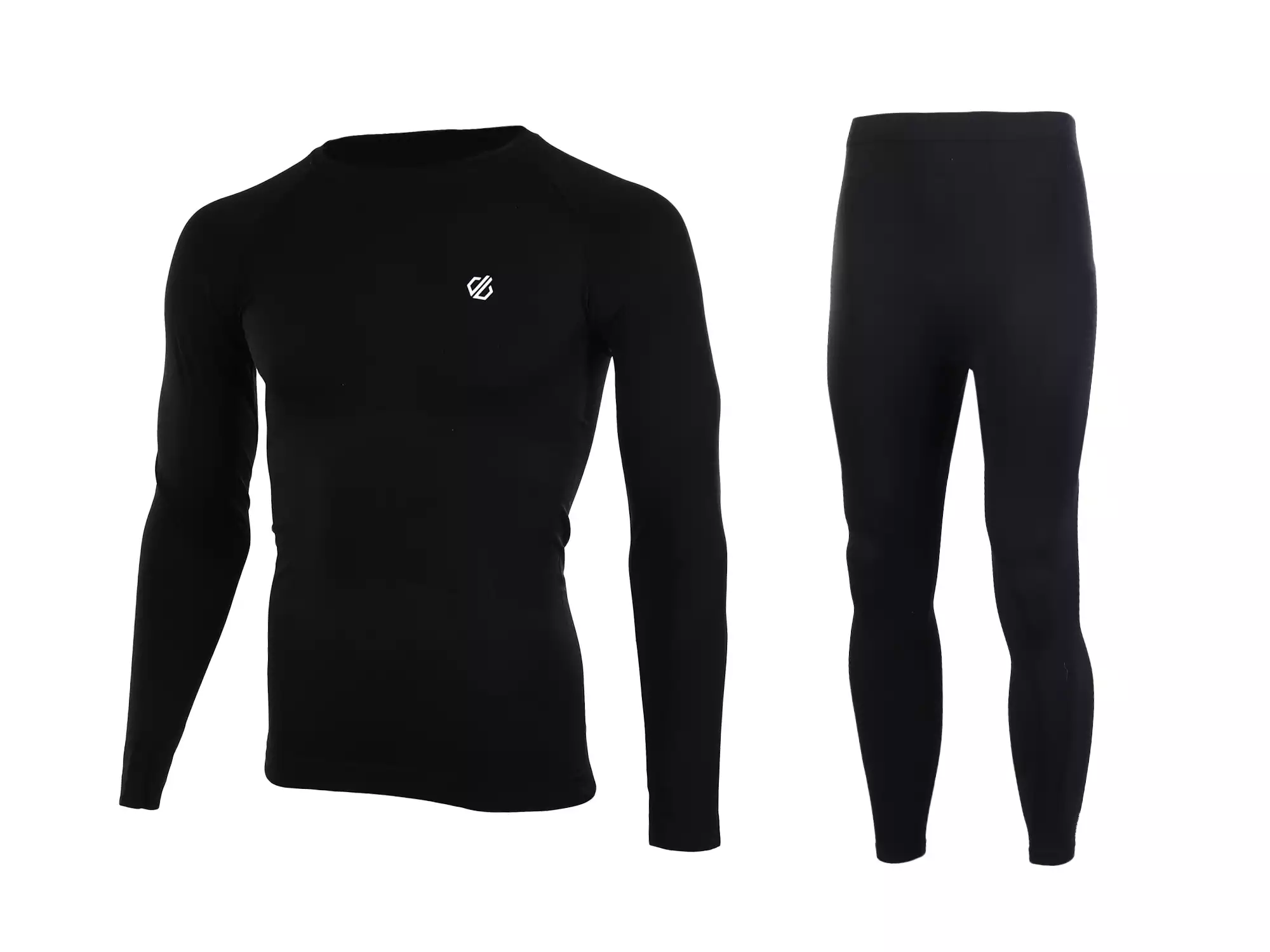
Introduction to the Spandex Market:
Spandex, also known as elastane or Lycra, is a synthetic fiber known for its exceptional elasticity and stretch properties. It is widely used in various industries, including textiles, fashion, sportswear, medical garments, and more. The spandex market plays a crucial role in the global textile industry due to its unique characteristics and versatile applications.
Market Size and Growth:
The global spandex market has experienced steady growth over the years, with increasing demand from various end-user industries. Factors contributing to this growth include the rising awareness of the benefits of spandex, changing fashion trends, and the growth of the sportswear and athleisure markets. The market size is influenced by both regional and global economic conditions.
Key Drivers and Trends:
-
Athleisure and Sportswear: The growing popularity of athleisure wear and sports apparel has been a significant driver of spandex demand. Spandex's stretch and comfort make it an ideal choice for activewear and yoga pants.
-
Medical Textiles: Spandex is used in medical compression garments and bandages due to its ability to provide gentle pressure and support. This segment has seen consistent growth, particularly with an aging population.
-
Fashion Industry: Spandex is extensively used in fashion to create form-fitting clothing, swimwear, and lingerie. As consumers seek more comfortable and stylish options, the fashion industry continues to drive demand.
-
Sustainability: Environmental concerns have led to the development of sustainable spandex options, which use recycled materials or innovative production processes to reduce environmental impact. This trend has gained momentum in recent years.
-
Innovation: Technological advancements have led to the development of high-performance spandex with improved durability, moisture-wicking properties, and resistance to chemicals and UV rays.
Regional Market Trends:
-
Asia-Pacific: Asia-Pacific dominates the global spandex market, with countries like China, South Korea, and Taiwan being major producers. The region's robust textile industry, coupled with low production costs, contributes to its market leadership.
-
North America: The North American market is driven by the fashion and sports apparel industries. There is also a growing demand for spandex in the automotive sector for upholstery and interior applications.
-
Europe: Europe has a strong presence in the medical textile sector, where spandex is used for compression garments. The region is also a significant consumer of spandex-based fashion items.
Challenges:
Despite its many advantages, the spandex market faces challenges, including:
-
Price Volatility: The cost of raw materials used in spandex production can be volatile, impacting the overall pricing of spandex products.
-
Environmental Concerns: The production process of spandex involves chemicals and energy consumption. As sustainability becomes more critical, there is a need for greener production methods.
-
Competition: The market is competitive, with various synthetic and natural fibers vying for market share.
Conclusion:
The spandex market growth continues to expand, driven by its versatility, comfort, and demand from diverse industries. Innovation, sustainability, and changing consumer preferences will shape the future of the spandex industry. As global economies evolve, the spandex market is expected to adapt to new opportunities and challenges.