The First Steps to Take After a Relapse
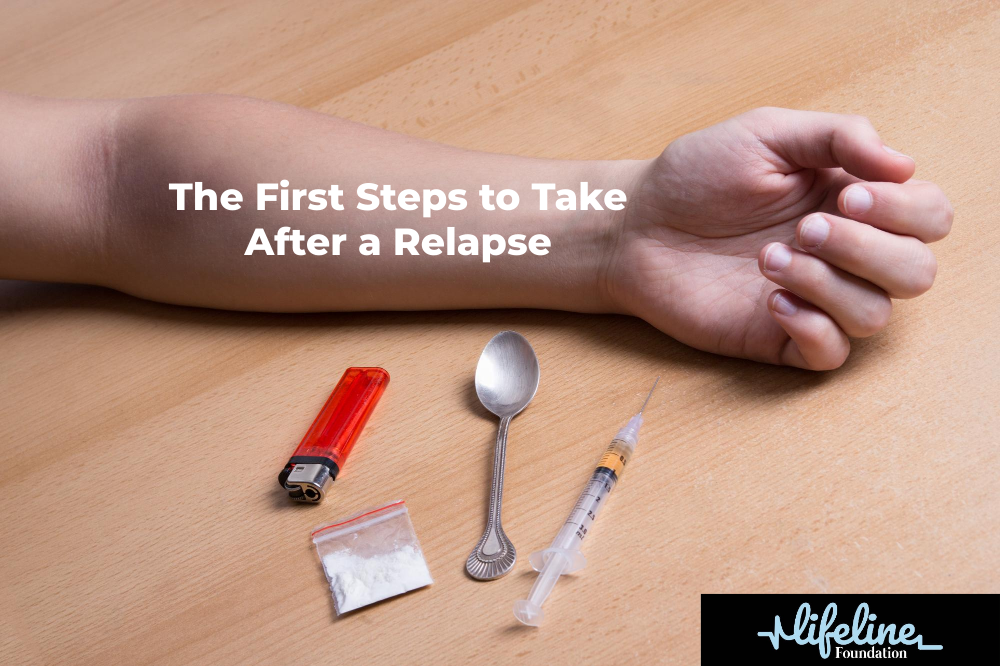
Relapse is a challenging and often disheartening experience for individuals on the road to recovery. It is essential to remember that relapse does not signify failure, but rather presents an opportunity for growth and learning. After a relapse, it is crucial to take immediate action, regroup, and make a plan to get back on track. In this blog, we will explore some of the first steps to take after a relapse, helping you rebuild your path towards lasting recovery.
1. Acknowledge and accept your relapse:
The first step in moving forward after a relapse is to acknowledge and accept what has happened. Denial can hinder progress and delay healing. Facing the reality of your relapse can be difficult, but it is a crucial part of the recovery journey. Recognize that relapse is a common part of the process and that many people have experienced setbacks on their path to success.
2. Seek support from your network:
After a relapse, reaching out to your supportive network is vital. Open up to family members, friends, or mentors who understand your journey and can offer guidance and encouragement. Share your feelings and experiences with them so that they can provide the support you need to move forward. Remember, you are not alone in this, and there are people who genuinely care about your well-being.
3. Reevaluate your treatment plan:
Take some time to reassess your treatment plan and identify any areas that may need adjustment. This could involve speaking with your therapist or counselor to discuss what led to the relapse and explore strategies to prevent future setbacks. Collaborating with professionals who specialize in addiction recovery can offer valuable insights and help you create a more effective plan moving forward.
4. Identify triggers and develop coping mechanisms:
Understanding the triggers that led to the relapse is crucial for implementing effective coping strategies. Reflect on the circumstances, emotions, or situations that contributed to your setback. By identifying these triggers, you can develop a personalized plan to manage them more effectively in the future. This may include finding alternative outlets for stress relief, engaging in healthy hobbies, or seeking additional help from rehabilitation centers when needed.
5. Practice self-care:
During this challenging time, it's essential to prioritize self-care. Engaging in activities that promote physical, mental, and emotional well-being can help you regain strength and focus. Regular exercise, proper nutrition, adequate sleep, and mindfulness practices like meditation or yoga can help you regain balance and reduce stress. Taking care of yourself is a significant step towards regaining control over your recovery journey.
6. Set realistic goals:
Setting realistic and achievable goals is essential after a relapse. Break down your long-term objectives into smaller, manageable steps that will help you regain confidence and motivation. Celebrate even the smallest victories along the way, as they serve as reminders of progress and fuel your determination to stay on track.
7. Stay positive and resilient:
Remember that recovery is an ongoing process, and setbacks happen to most people. Stay positive, embrace resilience, and learn from your experiences. Be kind to yourself and practice self-compassion. Focus on the progress you have made so far and use the lessons learned from the relapse to strengthen your commitment to recovery.
Conclusion:
A relapse doesn't define your recovery journey; it is merely a detour. By acknowledging your relapse, seeking help from nasha mukti kendra in India, reevaluating your treatment plan, identifying triggers, practicing self-care, setting realistic goals, and staying positive, you can rebuild your path towards lasting recovery. Remember, the road to recovery may be challenging, but with determination and the right tools, you can overcome any setbacks that come your way. Keep moving forward, and never lose sight of your ultimate goal: a healthier, happier, and addiction-free life.
Related Post - https://lifelinefoundationindia.com/the-first-steps-to-take-after-a-relapse/