Exploring the Most Popular Therapies Used in De-Addiction Treatment
De-addiction treatment is a crucial step towards overcoming addiction and reclaiming a healthy, fulfilling life. While there are various treatment approaches available, therapy plays a fundamental role in helping individuals understand the underlying causes of their addiction and develop effective coping mechanisms to achieve long-term recovery. In this blog, we will explore some of the most popular therapies used in de-addiction treatment at the best rehabilitation centres in Mumbai and how they contribute to the healing process.
1. Cognitive-Behavioral Therapy (CBT):
Cognitive-Behavioral Therapy is a widely-used therapeutic approach that focuses on identifying and changing negative thought patterns and behaviors. It aims to help individuals recognize the connection between their thoughts, emotions, and actions related to substance use. By challenging irrational beliefs and developing healthier coping strategies, CBT equips individuals with skills to manage cravings, triggers, and relapse prevention.
2. Motivational Interviewing (MI):
Motivational Interviewing is a client-centered therapy that aims to enhance an individual's motivation to change addictive behaviors. The therapist works collaboratively with the person struggling with addiction, using empathic listening, open-ended questions, and reflection to explore their ambivalence towards change. MI seeks to evoke intrinsic motivation, strengthen commitment to treatment, and build confidence in one's ability to overcome addiction.
3. Dialectical Behavior Therapy (DBT):
Dialectical Behavior Therapy was initially developed to treat individuals with borderline personality disorder but has proven effective in addiction treatment as well. DBT combines elements of cognitive-behavioral therapy with mindfulness techniques. It emphasizes core skills like emotional regulation, distress tolerance, interpersonal effectiveness, and mindfulness practices. These skills empower individuals to manage intense emotions, reduce impulsive behaviors, and improve relationships.
4. Family Therapy:
Addiction affects not only the individual struggling with substance use but also their loved ones. Family therapy recognizes the importance of involving family members in the healing process. It provides a safe space for open communication, addressing conflicts, and understanding the impact of addiction on family dynamics. Family therapy helps to build a supportive environment that promotes recovery and strengthens relationships.
5. Group Therapy:
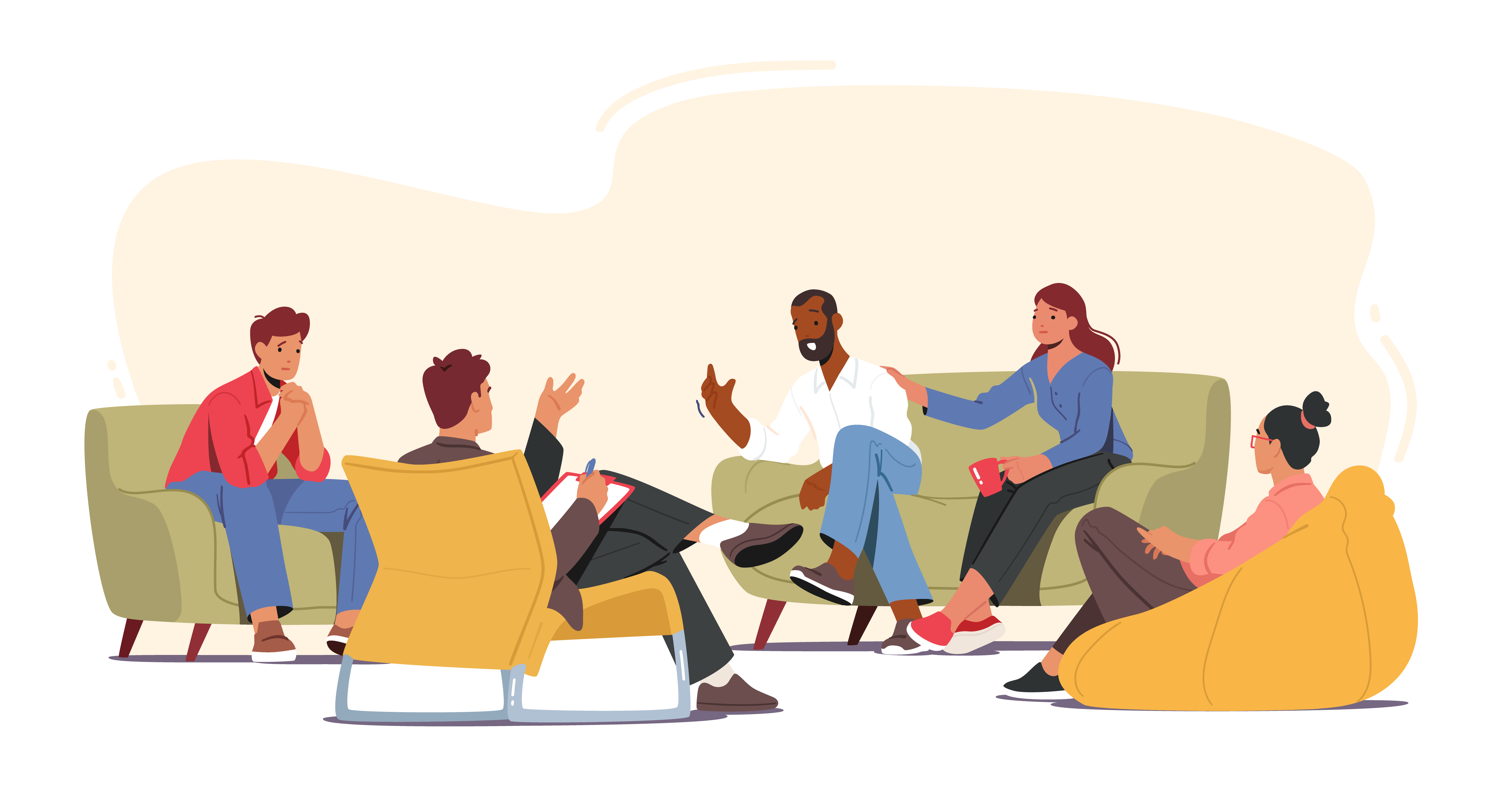
Group therapy brings together individuals facing similar challenges in a supportive and non-judgmental environment. Led by a trained therapist, group therapy allows participants to share their experiences, gain insights from others, and receive feedback and encouragement. It fosters a sense of belonging, reduces feelings of isolation, and provides a network of support during the recovery journey.
6. Holistic Therapies:
In addition to traditional talk therapies, holistic approaches are gaining popularity in de-addiction treatment. These therapies focus on healing the mind, body, and soul. Examples include yoga, meditation, art therapy, equine therapy, and adventure therapy. Holistic therapies promote self-discovery, stress reduction, emotional expression, and physical well-being, complementing traditional therapeutic approaches.
Choosing the Right Therapies:
Every individual is unique, and there is no one-size-fits-all approach to de-addiction treatment. When choosing therapies, it's essential to consider personal preferences, treatment goals, and the recommendations of addiction professionals. A comprehensive assessment from a qualified treatment provider will help determine which therapies are most suitable to address specific needs.
Conclusion:
Therapy is a cornerstone of de-addiction treatment, providing individuals with the tools and support needed to overcome addiction. From Cognitive-Behavioral Therapy and Motivational Interviewing to Dialectical Behavior Therapy and holistic approaches, the range of therapies available ensures that individuals receive tailored treatment that addresses their unique challenges. By engaging in these therapies, individuals can cultivate resilience, develop healthy coping mechanisms, and embark on a journey of lasting recovery and well-being.
LifeLine Foundation — Best Rehabilitation Centre in India
Address: Sr. No 94, police station, 2B 1/1/7, Rajiv Gandhi colony, behind Mohammedwadi Road, Tarawade Vasti, Undri, Pune, Maharashtra 411060
Mobile: 07311111024
FWFG+PJ Pune, Maharashtra
Get Directions
Related Post — Exploring the Most Popular Therapies Used in De-Addiction Treatment