Stationary Energy Storage: Empowering a Sustainable Future with Cutting-Edge Technologies

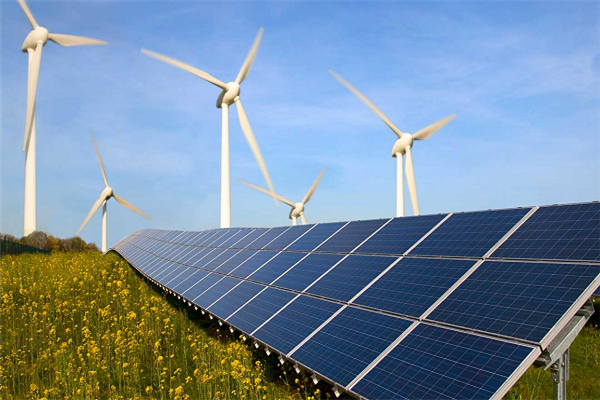
As the world continues to face the challenges of climate change and the depletion of fossil fuels, the need for reliable and sustainable energy solutions has never been more critical. Stationary energy storage has emerged as a game-changing technology, offering innovative ways to store and distribute electricity efficiently. This article explores the concept of stationary energy storage, its significance, applications, and the impact it has on the energy landscape.
Understanding Stationary Energy Storage
Stationary energy storage refers to the practice of storing electricity at a fixed location for later use. Unlike traditional energy storage methods like batteries in electronic devices, stationary energy storage solutions are on a larger scale and cater to various industries and infrastructures. These systems play a crucial role in addressing the intermittent nature of renewable energy sources like solar and wind power by storing surplus energy when generation exceeds demand and releasing it during peak consumption periods.
Types of Stationary Energy Storage Technologies
Numerous technologies are employed for stationary energy storage, each with its unique advantages and use cases. Some common types include:
-
Battery Energy Storage: Battery systems, including lithium-ion and advanced lead-acid batteries, are prevalent in both small-scale applications, like residential solar installations, and large-scale utility projects. They provide flexibility and fast response times, making them ideal for smoothing power fluctuations and balancing the grid.
-
Pumped Hydro Storage: Pumped hydro storage utilizes the gravitational potential energy of water to store and generate electricity. During periods of excess electricity, water is pumped to an elevated reservoir. When electricity demand rises, the water is released, flowing through turbines to produce electricity.
-
Compressed Air Energy Storage (CAES): CAES systems store energy by compressing air and storing it in underground caverns. When electricity is needed, the compressed air is released, expanded through turbines, and converted back into electrical energy.
-
Flywheel Energy Storage: Flywheels store energy in the form of kinetic energy by spinning a rotor at high speeds. When electricity is required, the rotor's energy is converted back into electricity through a generator.
Applications of Stationary Energy Storage
Stationary energy storage finds applications in various sectors, transforming the way energy is managed and utilized:
-
Grid Stabilization: Energy storage systems support grid stability by mitigating frequency fluctuations, voltage regulation, and providing backup power during emergencies.
-
Renewable Integration: Integrating renewable energy sources like solar and wind power becomes more manageable with stationary storage, as excess energy can be stored and used during periods of low generation.
-
Industrial and Commercial Usage: Stationary energy storage solutions offer cost savings and reliability improvements for industrial facilities and commercial establishments.
-
Residential Energy Management: Homeowners can optimize their energy consumption, reduce peak demand charges, and achieve greater energy independence using residential energy storage systems.
Environmental and Economic Benefits
Stationary energy storage offers a range of environmental and economic benefits:
-
Reduced Greenhouse Gas Emissions: By enabling greater integration of renewable energy sources, stationary storage reduces reliance on fossil fuels and helps lower greenhouse gas emissions.
-
Enhanced Grid Resilience: Energy storage enhances grid stability, making it less susceptible to disruptions from extreme weather events or cyber-attacks.
-
Energy Cost Savings: Businesses and homeowners can benefit from reduced energy costs by leveraging storage to manage peak demand and access cheaper electricity during off-peak hours.
Conclusion
Stationary energy storage is transforming the way we produce, distribute, and consume electricity. Its ability to improve grid stability, integrate renewable energy, and promote sustainability makes it a crucial component of our energy future. As technology advances and economies of scale drive down costs, stationary energy storage will continue to play a pivotal role in the global transition towards a cleaner and more resilient energy landscape.