Refuse Derived Fuel: Transforming Waste into Sustainable Energy for a Greener Future

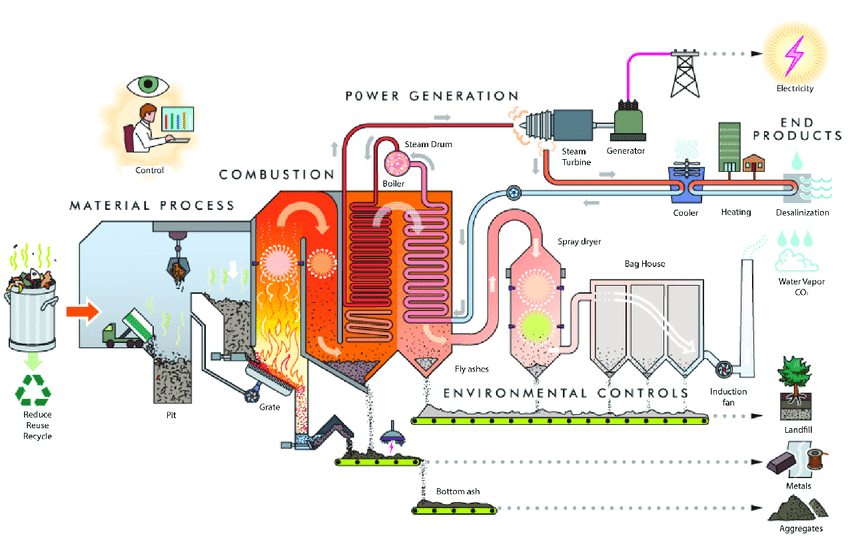
Refuse Derived Fuel (RDF) is an innovative and sustainable solution that addresses the challenges of waste management and energy generation in today's world. With the ever-increasing global population and rapid urbanization, the generation of municipal solid waste (MSW) has become a critical environmental concern. Traditional waste disposal methods such as landfilling and incineration contribute to pollution and greenhouse gas emissions. RDF offers a more efficient and environmentally friendly alternative by converting non-recyclable waste into a valuable resource for energy production.
Definition and Production Process:
Refuse Derived Fuel refers to a processed fuel derived from various forms of non-recyclable solid waste, including paper, plastics, textiles, and biodegradable materials. The production process typically involves the mechanical sorting and separation of MSW to remove recyclable materials and hazardous substances. After the separation process, the remaining combustible fraction is shredded or pelletized to create RDF, which can be used as a feedstock in industrial boilers, cement kilns, and power plants.
Environmental Benefits:
One of the primary advantages of RDF is its positive impact on the environment. By diverting non-recyclable waste from landfills and reducing the need for traditional fossil fuels, RDF significantly lowers greenhouse gas emissions and contributes to mitigating climate change. Additionally, the utilization of RDF reduces the environmental burden of waste disposal, minimizing the risk of soil and groundwater contamination associated with landfilling.
Energy Generation:
RDF serves as an alternative fuel source in various industries, especially those that require high-temperature processes, such as cement and power production. Its high calorific value and consistent composition make it a reliable energy feedstock. When co-fired with traditional fuels like coal, RDF reduces the overall carbon footprint of the energy production process. The adoption of RDF in energy generation also diversifies the energy mix and reduces dependence on fossil fuels, leading to enhanced energy security.
Economic and Social Implications:
Implementing RDF systems can have positive economic and social implications. As RDF production facilities and energy plants are established, new job opportunities are created, stimulating local economies. Additionally, by promoting sustainable waste management practices, RDF helps reduce the strain on existing landfills and incinerators, potentially extending their lifespan and saving considerable costs associated with waste disposal.
Challenges and Future Outlook:
Despite its many benefits, RDF implementation faces challenges. One of the key concerns is the need for efficient waste segregation and collection systems to ensure high-quality RDF production. Public awareness and participation are vital to support waste separation efforts. Additionally, while RDF reduces greenhouse gas emissions, it still emits pollutants during combustion, necessitating stringent emission control measures.
The future outlook for Refuse Derived Fuel is promising. Continued advancements in waste-to-energy technologies and increased investment in RDF infrastructure are expected to enhance its efficiency and attractiveness as a sustainable energy source. Moreover, as governments and industries worldwide intensify efforts to transition to a circular economy, RDF will likely play a crucial role in achieving waste reduction and sustainable energy objectives.
Conclusion:
Refuse Derived Fuel represents a compelling solution to the dual challenges of waste management and sustainable energy generation. By converting non-recyclable waste into a valuable resource, RDF contributes to environmental protection, energy diversification, and economic growth. Embracing RDF as part of a comprehensive waste management strategy can lead us towards a more sustainable and greener future.