Nuclear Power: Empowering Humanity through Clean and Reliable Nuclear Energy

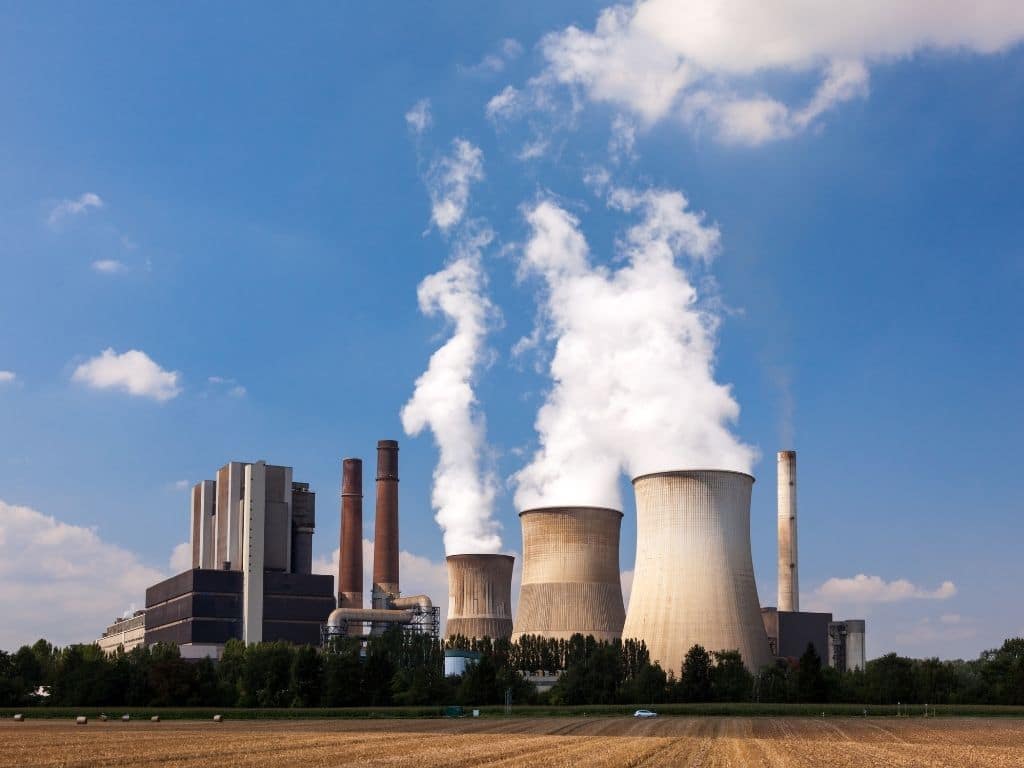
Nuclear power is a remarkable form of energy generation that harnesses the tremendous energy released during nuclear fission reactions. It plays a pivotal role in meeting the growing global demand for electricity, providing a significant proportion of the world's energy supply. This article explores the workings of nuclear power plants, the benefits and challenges associated with nuclear energy, safety measures, and its potential in shaping a sustainable future.
How Nuclear Power Works:
At the heart of a nuclear power plant lies a nuclear reactor, where controlled nuclear fission occurs. Here, atoms of certain isotopes, such as uranium-235, are bombarded with neutrons, leading to the release of a vast amount of heat. This heat is then used to produce steam, which drives turbines connected to generators, producing electricity. Unlike traditional fossil fuel power plants, nuclear power plants do not emit greenhouse gases during operation, making them a low-carbon alternative.
Advantages of Nuclear Power:
One of the most significant advantages of nuclear power is its capacity to generate a large amount of electricity without releasing harmful greenhouse gases. This aspect makes it a crucial player in combating climate change and reducing global carbon emissions. Additionally, nuclear power plants can provide a steady and reliable energy supply, as they can operate continuously for long periods without interruption. Unlike renewable energy sources, nuclear power is not dependent on weather conditions, ensuring a stable electricity supply.
Challenges and Safety Concerns:
Despite its advantages, nuclear power also faces various challenges and safety concerns. The disposal of nuclear waste is a contentious issue, as radioactive materials can remain hazardous for thousands of years. However, advancements in nuclear waste management and the development of safer reactor designs are ongoing. Another significant concern is the potential for nuclear accidents, such as the infamous Chernobyl and Fukushima disasters. Stringent safety regulations and continuous improvements in reactor technology aim to prevent such catastrophic events and ensure the safe operation of nuclear power plants.
Nuclear Power and the Environment:
Nuclear power's minimal carbon footprint makes it an appealing option for mitigating climate change. Still, concerns about uranium mining, radioactive waste storage, and the potential for nuclear accidents raise environmental questions. Striking a balance between energy demand, environmental impact, and safety remains a crucial challenge for policymakers and scientists.
The Role of Nuclear Power in the Future:
As nations strive to transition to more sustainable and greener energy sources, nuclear power emerges as a viable option for meeting increasing electricity needs without exacerbating climate change. Collaborative efforts in research and development are essential to improve reactor safety, and nuclear waste management, and enhance nuclear energy's contribution to a sustainable and resilient future.