Hearth Market: A Timeless Centerpiece of Warmth and Comfort

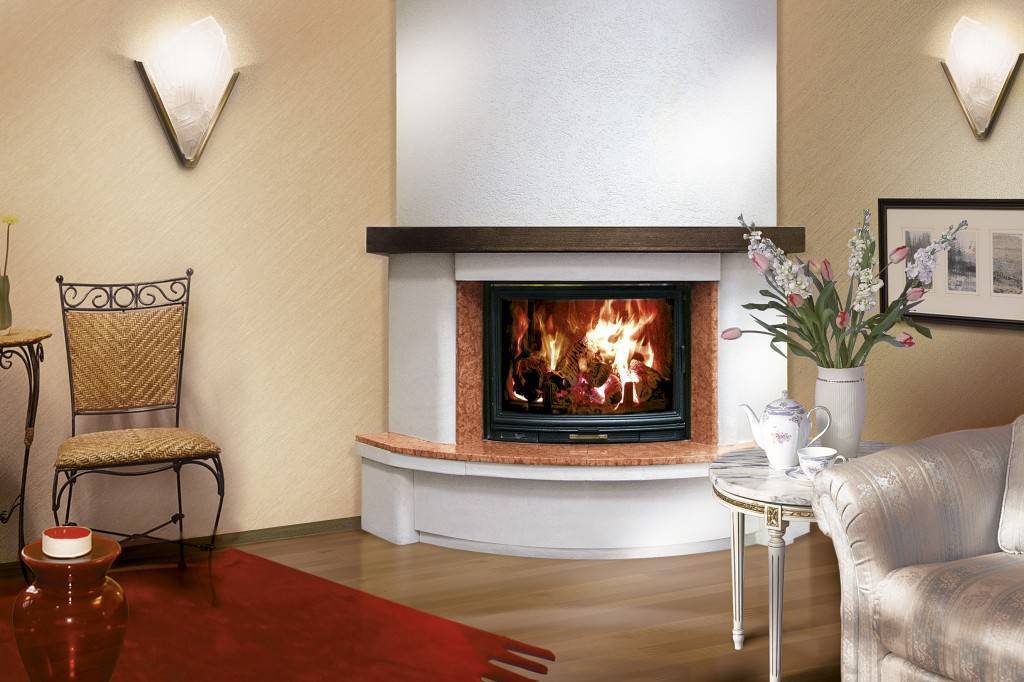
Introduction:
The hearth, a symbol of warmth and togetherness, has been an integral part of human dwellings for centuries. From ancient civilizations gathering around open fires to modern households embracing sophisticated fireplace designs, the hearth has evolved into a timeless centerpiece that exudes coziness and comfort. Today, the hearth market continues to thrive, offering a diverse range of options that cater to various aesthetic preferences, architectural styles, and heating needs.
Historical Significance:
The history of the hearth dates back to the dawn of civilization when early humans discovered the benefits of controlled fire. It served not only as a source of heat and light but also as a gathering place for families and communities. Throughout history, the hearth held cultural and symbolic significance, representing the heart of the home, safety, and the preservation of tradition.
Evolution of Hearth Technology:
Over time, the hearth has undergone significant technological advancements. What once began as simple open fire pits evolved into enclosed fireplaces with chimneys, designed to efficiently direct smoke out of homes. In the 20th century, the advent of gas and electric fireplaces introduced greater convenience, as they eliminated the need for firewood and reduced smoke emissions. Today, contemporary hearth designs incorporate cutting-edge technologies like remote controls, smart features, and energy-efficient heating systems.
Types of Hearth Products:
The hearth market offers a diverse array of products to suit various preferences and lifestyles:
-
Wood-Burning Fireplaces: Traditional and rustic, wood-burning fireplaces evoke a sense of nostalgia and natural beauty. They remain popular among those who appreciate the crackling sounds and mesmerizing dance of flames.
-
Gas Fireplaces: Gas fireplaces provide the convenience of instant ignition, adjustable flames, and controlled heat output. They are well-regarded for their cleanliness and ease of use.
-
Electric Fireplaces: Electric fireplaces offer versatility and are often chosen for their portability and suitability for apartments or spaces without chimneys.
-
Ethanol Fireplaces: Ethanol fireplaces are eco-friendly and ventless, as they burn bioethanol fuel, leaving no harmful emissions or residue.
-
Pellet Stoves: Pellet stoves use compressed wood pellets as fuel, providing an efficient and eco-friendly heating option.
-
Outdoor Fire Pits: Outdoor fire pits are gaining popularity as they extend the use of hearth products to outdoor living spaces, creating cozy environments for social gatherings.
Design and Aesthetics:
The hearth market also caters to diverse design preferences, ranging from classic and traditional styles to sleek and contemporary aesthetics. Mantels, surrounds, and finishes come in a wide variety of materials such as marble, stone, brick, tile, and metal, allowing homeowners to customize their hearths to complement their interior decor.
Eco-Friendly and Efficient Solutions:
As sustainability and energy efficiency become priorities for consumers, the hearth market has responded with innovative, eco-friendly options. Many manufacturers are incorporating advanced combustion technologies and materials to enhance the efficiency of their products, reducing emissions and resource consumption.
Market Trends and Challenges:
1. Smart Hearth Solutions: The integration of smart technologies allows homeowners to control their hearth products remotely, adjust flame settings, and manage heating preferences through smartphone apps and voice-activated devices.
2. Customization and Personalization: Customers are seeking unique hearth designs that reflect their individual style and preferences, leading to a demand for bespoke solutions.
3. Competition from Alternative Heating Solutions: The growing popularity of alternative heating solutions, such as heat pumps and radiant floor heating, presents a challenge to the hearth market.
4. Environmental Regulations: Stricter emissions and efficiency standards may impact certain types of hearth products, prompting manufacturers to innovate and comply with eco-friendly regulations.
Conclusion:
The hearth market continues to be an embodiment of warmth, comfort, and aesthetic appeal, enriching homes with its timeless charm. As consumers seek eco-friendly and efficient heating solutions, the hearth industry rises to the challenge, introducing innovative technologies and designs. With a deep-rooted history and a commitment to embracing modernity, the hearth market remains an essential element in creating inviting spaces and fostering cherished moments of togetherness for generations to come.