Directional Drilling Services: Unleashing the Depths of Innovation for Seamless Borehole Curves

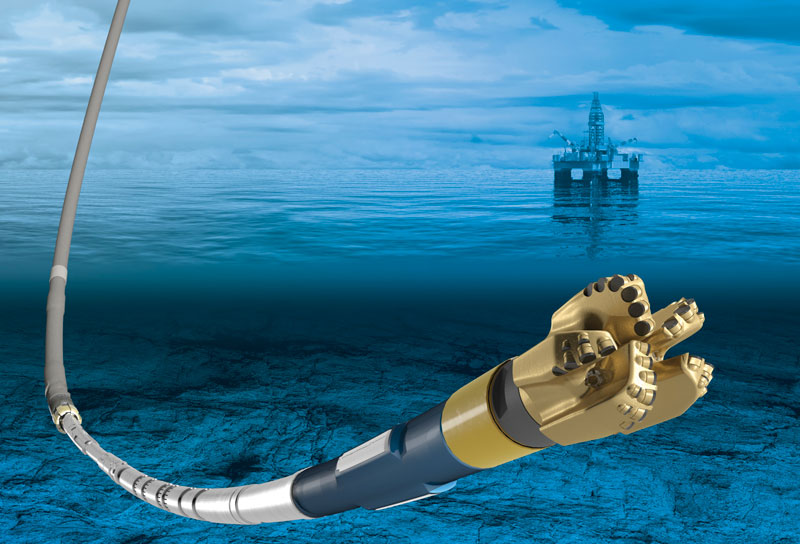
Directional drilling services have revolutionized the way we access and explore subsurface resources, opening up new possibilities in various industries such as oil and gas, geothermal energy, mining, and infrastructure development. This advanced drilling technique allows engineers to control the trajectory and direction of the wellbore, enabling them to reach remote or challenging locations with precision and efficiency. In this article, we will delve into the world of directional drilling services, exploring its applications, benefits, and the cutting-edge technologies driving its success.
Understanding Directional Drilling Services
Directional drilling services involve the intentional deviation of the wellbore from vertical to horizontal or any desired angle. Traditionally, wells were drilled vertically, but as surface reserves have depleted, the demand for accessing deeper or distant reservoirs has grown. Directional drilling emerged as the solution to optimize resource recovery and reduce environmental impact by reducing the number of well pads.
Applications of Directional Drilling Services
-
Oil and Gas Exploration: The oil and gas industry has been one of the primary beneficiaries of directional drilling services. It allows access to remote reservoirs, maximizing the recovery of hydrocarbons and increasing overall production rates. Additionally, directional drilling helps minimize the surface footprint, reducing disturbances to the surrounding environment.
-
Geothermal Energy: Geothermal energy utilizes the Earth's natural heat to generate electricity or provide heating and cooling solutions. Directional drilling services play a vital role in harnessing geothermal energy by drilling deep wells to access hot rock formations or geothermal reservoirs.
-
Mining: In the mining industry, directional drilling services are employed for orebody delineation and resource extraction. This technique allows miners to access ore deposits safely and efficiently, reducing the need for extensive underground infrastructure.
Benefits of Directional Drilling Services
-
Cost-Effectiveness: Directional drilling services offer cost savings by reducing the number of wells required to extract resources from multiple locations. It lowers the overall drilling expenses and operational downtime.
-
Environmental Advantages: By minimizing surface disturbances and reducing the environmental impact, directional drilling services help protect ecosystems and wildlife habitats.
-
Increased Safety: Directional drilling enhances safety by allowing engineers to access hazardous or hard-to-reach areas without endangering human lives.
Cutting-Edge Technologies in Directional Drilling
-
Measurement While Drilling (MWD): MWD tools provide real-time data on well trajectory, temperature, and pressure, enabling engineers to make immediate adjustments during drilling.
-
Logging While Drilling (LWD): LWD tools offer formation evaluation data while drilling, providing critical insights into the geological properties of the subsurface.
-
Rotary Steerable Systems (RSS): RSS technology allows for precise and automated control of the well's direction, increasing drilling efficiency and reducing the drilling time.
Conclusion
Directional drilling services have transformed the way we tap into the Earth's subsurface resources. With their applications spanning across various industries and a plethora of benefits, these services continue to shape the future of underground exploration. As technology advances and innovation drives further improvements, directional drilling services will undoubtedly remain at the forefront of the quest for sustainable resource extraction and energy generation.