Waterproof Coatings: Innovations in Sustainable and High-Performance Protection

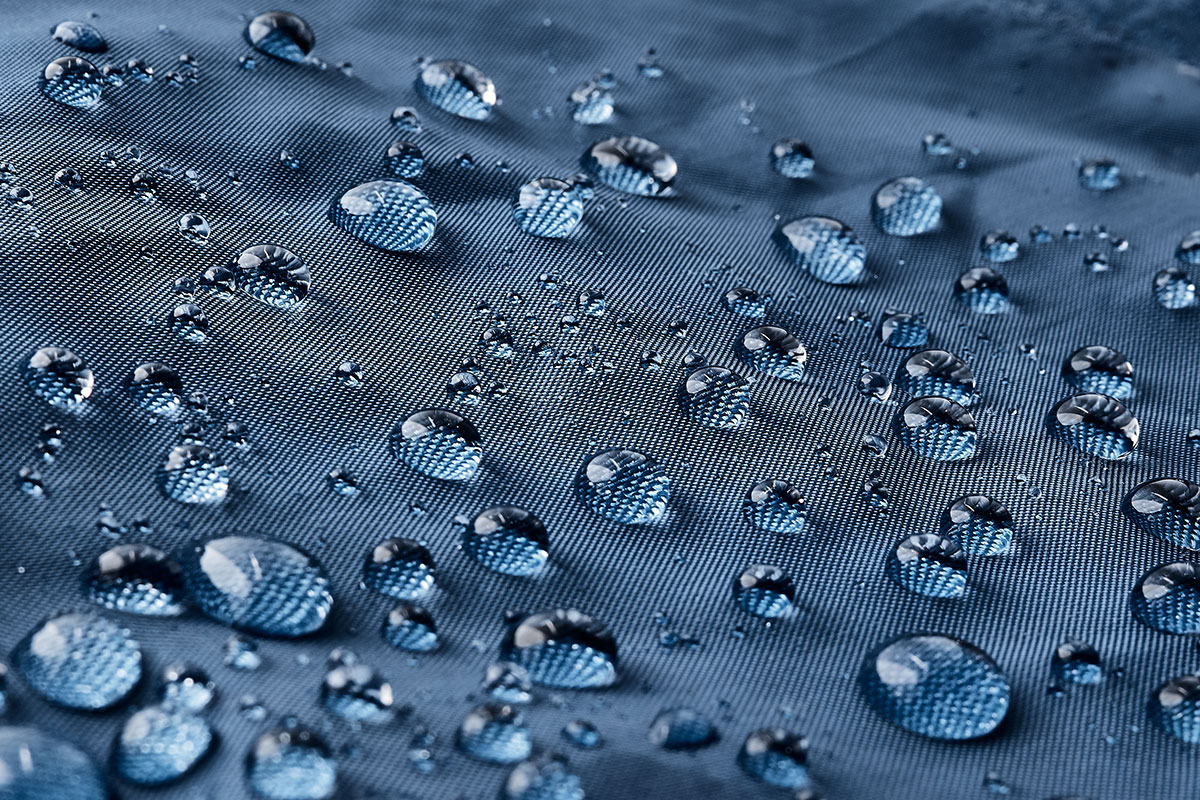
Waterproof Coatings: Shielding Structures from Nature's Elements
Waterproof coatings have revolutionized the construction industry by providing a vital protective layer against water infiltration and damage. These coatings are designed to prevent water from seeping into structures, such as buildings, bridges, roofs, and walls, thereby extending their lifespan and minimizing the need for costly repairs.
The Importance of Waterproof Coatings:
Water is one of the most destructive forces that can impact buildings and infrastructure. When water infiltrates porous surfaces, it can cause a range of issues, including mold growth, rust, corrosion, and structural deterioration. Waterproof coatings act as a barrier, preventing water molecules from penetrating the substrate and ensuring the longevity and durability of the structure.
Types of Waterproof Coatings:
There are several types of waterproof coatings available in the market, each designed to suit specific applications and substrates:
-
Polyurethane Waterproof Coatings: These coatings are flexible, durable, and resistant to weathering, making them ideal for surfaces that undergo frequent expansion and contraction.
-
Acrylic Waterproof Coatings: Acrylic coatings are water-based, environmentally friendly, and easy to apply. They provide excellent UV resistance and are commonly used for roofs, walls, and decks.
-
Bituminous Waterproof Coatings: Bituminous coatings are made from petroleum-based materials and are highly effective for waterproofing below-ground structures like basements and foundations.
-
Cementitious Waterproof Coatings: These coatings are cement-based and form a crystalline structure that blocks water penetration, making them suitable for concrete and masonry surfaces.
-
Elastomeric Waterproof Coatings: Elastomeric coatings have excellent flexibility and elongation properties, making them ideal for areas with high movement, such as balconies and parking decks.
Application Process:
The application of waterproof coatings is a crucial process that requires proper surface preparation and skilled installation. Before applying the coating, the surface must be thoroughly cleaned and any cracks or holes filled to ensure a seamless protective layer.
The coating is then applied using various methods, including brush, roller, or spray, depending on the type of coating and the surface area. Multiple layers may be necessary for optimal protection.
Benefits of Waterproof Coatings:
Waterproof coatings offer numerous benefits, including:
-
Increased Lifespan: By preventing water damage, waterproof coatings help extend the lifespan of buildings and infrastructure, reducing the need for frequent repairs and replacements.
-
Cost-Effectiveness: Investing in waterproof coatings upfront can save significant costs in the long run by avoiding expensive repairs caused by water damage.
-
Energy Efficiency: Some waterproof coatings offer thermal insulation properties, reducing energy consumption for heating and cooling.
-
Aesthetic Enhancement: Waterproof coatings come in various colors and finishes, enhancing the appearance of structures and allowing for customization.
-
Environmental Protection: By preventing water infiltration, waterproof coatings contribute to the preservation of natural resources and help prevent water-related environmental issues.
In conclusion, waterproof coatings are essential for safeguarding structures from the damaging effects of water. Their ability to prolong the life of buildings, reduce maintenance costs, and contribute to environmental conservation makes them a crucial component in modern construction practices. When choosing a waterproof coating, it is essential to consider the specific application, substrate, and the expertise of professional applicators to ensure optimal performance and long-term protection.