The Versatile Advantages of PVC Pipes: Revolutionizing Plumbing and Beyond

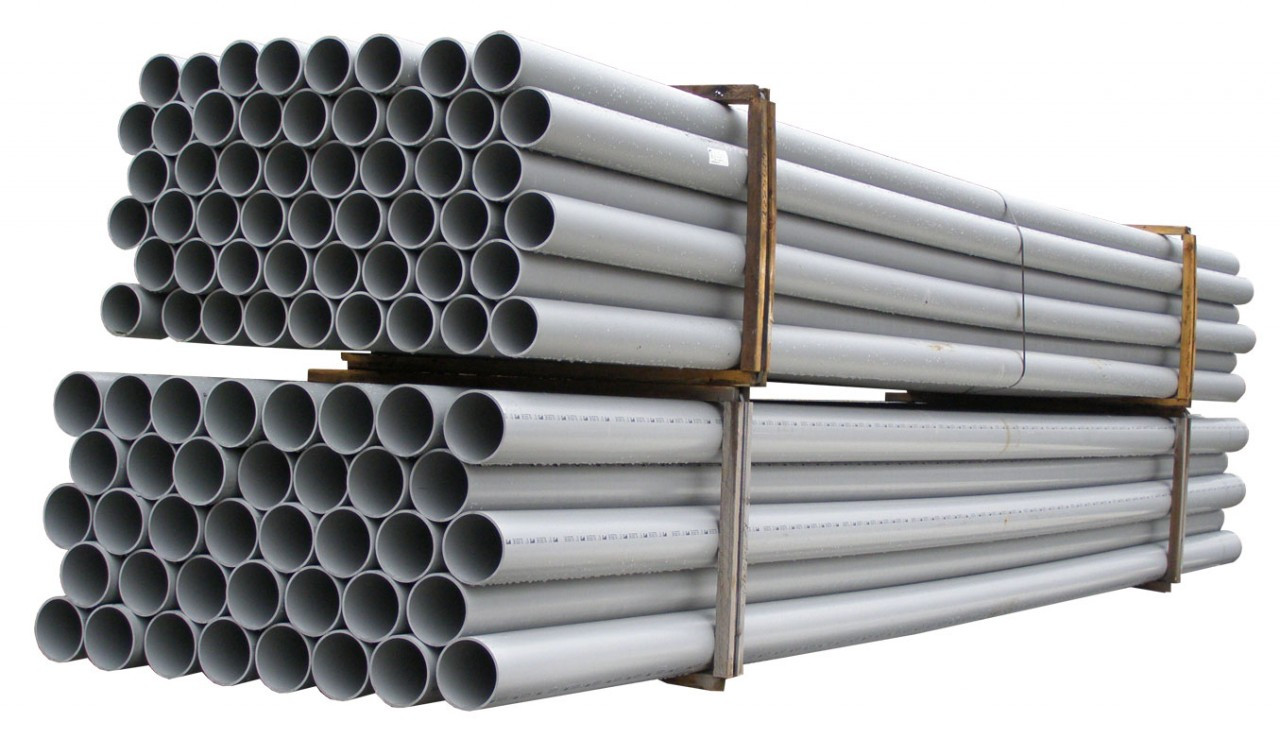
From plumbing to agriculture and everything in between, PVC pipes have emerged as the go-to solution for various applications, offering a host of benefits that make them an indispensable part of modern infrastructure.
In the world of modern construction and infrastructure development, one material stands out as a true game-changer: PVC pipes. Polyvinyl chloride, or PVC, is a synthetic plastic polymer that has revolutionized numerous industries due to its exceptional properties and versatile applications. PVC pipes, in particular, have gained widespread popularity and have become the preferred choice for plumbing systems, irrigation, and other essential tasks.
What is PVC, and why is it so popular?
PVC is a synthetic polymer that was first discovered in the early 19th century. However, its full potential was realized in the mid-20th century, leading to its mass production and widespread use. PVC pipes are made by combining vinyl chloride monomers, and depending on the specific requirements, the resulting PVC pipes can be rigid or flexible.
The popularity of PVC pipes can be attributed to their numerous advantages. Firstly, PVC is highly durable and can withstand various environmental conditions, including harsh weather, chemicals, and corrosion. This durability ensures that PVC pipes have a long lifespan, reducing the need for frequent replacements and repairs.
Versatility at its best: PVC pipes in different applications
-
Plumbing: One of the most common applications of PVC pipes is in plumbing systems. These pipes are widely used for transporting potable water, wastewater, and sewage. The smooth inner surface of PVC pipes ensures excellent flow characteristics, minimizing friction and reducing energy consumption. Additionally, they are lightweight, making installation easier and more cost-effective.
-
Agriculture: PVC pipes have significantly impacted the agriculture sector, where they are extensively used for irrigation purposes. The lightweight nature of PVC pipes enables easy transportation and installation, even in remote areas. They are resistant to chemical corrosion, ensuring the water quality remains untainted. PVC pipes have played a crucial role in improving water efficiency in agriculture, leading to better crop yields and sustainable farming practices.
-
Construction: PVC pipes are an integral part of the construction industry. They are used for various applications, including drainage systems, electrical conduits, and underground cable protection. Their non-conductive properties make them safe for electrical applications, while their resistance to chemicals and fire further enhances their reliability in construction projects.
-
Telecommunications: The telecom sector has also embraced the advantages of PVC pipes for underground cable protection. The smooth inner surface prevents cable damage due to friction, and the corrosion-resistant nature of PVC ensures the longevity of the protective conduits, safeguarding crucial communication lines.
Environmental Impact and Sustainability
One major concern with plastics is their impact on the environment. However, PVC pipes have come a long way in terms of sustainability. Modern PVC pipes are manufactured using eco-friendly processes and additives, making them more environmentally friendly than ever before. Additionally, PVC is fully recyclable, further reducing its carbon footprint. PVC pipes' long lifespan and recyclability contribute to sustainable waste management and a circular economy.
Conclusion
PVC pipes have emerged as a revolution in the world of construction, plumbing, and various industries due to their exceptional properties and versatile applications. Their durability, lightweight nature, and resistance to corrosion and chemicals make them an ideal choice for a wide range of applications, from plumbing systems to agriculture and telecommunications. Moreover, advancements in manufacturing processes have made PVC pipes more environmentally friendly and fully recyclable, adding to their appeal as a sustainable solution.
As we move towards a more environmentally conscious era, the continuing development and innovation in PVC technology will only strengthen its position as a reliable, efficient, and eco-friendly choice for meeting the world's infrastructure needs. From improving water efficiency in agriculture to enhancing construction and plumbing systems, PVC pipes are set to play an even more significant role in shaping a sustainable future for generations to come.