Polymer Concrete: The Advanced Composite Material Revolutionizing Construction and Infrastructure

Introduction:
In the realm of construction and infrastructure, constant innovation is the key to building a sustainable future. Polymer concrete, a remarkable advanced composite material, is rapidly gaining popularity for its exceptional properties and diverse applications. This blog explores the fascinating world of polymer concrete and how it is transforming the construction industry.
Understanding Polymer Concrete and Its Composition
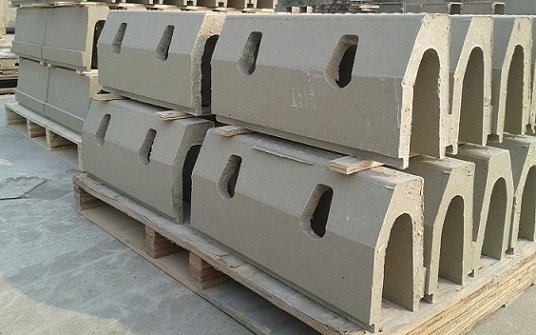
Polymer concrete is a unique composite material that combines traditional cement with polymers, such as epoxy, polyester, or vinyl ester resins. This fusion enhances the inherent properties of traditional concrete, making it stronger, more durable, and highly resistant to chemical corrosion. By replacing a part or the entirety of conventional cement with polymers, engineers and architects can create structures that outperform their traditional counterparts.
Unraveling the Benefits of Polymer Concrete
The benefits of polymer concrete extend far beyond its enhanced strength and durability. One of its most significant advantages lies in its high resistance to harsh environmental conditions, including exposure to chemicals, salts, and extreme temperatures. Additionally, polymer concrete exhibits low permeability, reducing the risk of water infiltration and reinforcing the structure's longevity.
Moreover, the material boasts excellent flexural and compressive strengths, allowing for lighter and more slender structures without compromising structural integrity. This characteristic not only saves construction costs but also promotes sustainable practices by reducing material consumption.
Applications of Polymer Concrete in Infrastructure Development
The versatility of polymer concrete makes it a prime candidate for various infrastructure projects. Bridge decks, for instance, benefit greatly from the material's resistance to chloride penetration, which often leads to corrosion of steel reinforcements in conventional concrete. Road pavements also benefit from polymer concrete's durability and crack resistance, reducing maintenance needs and enhancing safety on the roads.
Polymer concrete is also making strides in the chemical industry, where it is used to build containment vessels for storing corrosive chemicals. This application prevents costly leaks and ensures the safety of workers and the surrounding environment.
The Role of Polymer Concrete in Sustainable Construction
As sustainability takes center stage in the construction industry, polymer concrete stands out as a greener alternative. By reducing the need for cement, which is a major contributor to carbon dioxide emissions, polymer concrete helps mitigate the environmental impact of construction projects. Furthermore, its longer service life and reduced maintenance needs lead to a lower overall ecological footprint.
In addition to its eco-friendly nature, polymer concrete can be manufactured using recycled materials, further reducing its carbon footprint. This not only conserves natural resources but also diverts waste from landfills, contributing to a circular economy.
Conclusion:
Polymer concrete is revolutionizing the construction and infrastructure sectors, providing engineers and architects with a durable, versatile, and sustainable material option. As its adoption continues to grow, we can anticipate a future where infrastructure is not only safer and more resilient but also more environmentally friendly. With the continued advancement of polymer concrete technology, we are paving the way for a brighter, more sustainable world.