Marine Coatings: Unleashing the Power of Advanced Protection for Seafaring Vessels

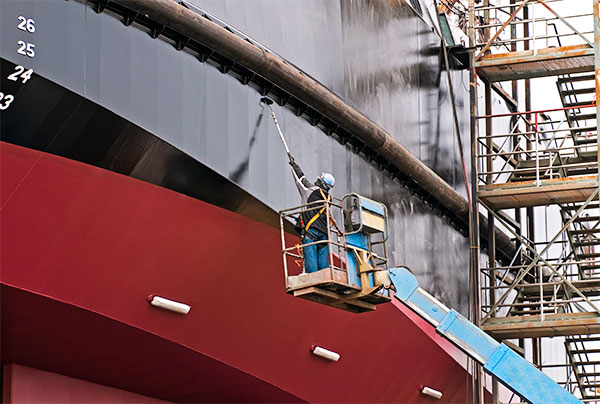
Marine coatings play a critical role in safeguarding seafaring vessels against the harsh and corrosive marine environment. They are specially formulated coatings designed to provide long-lasting protection and improve the performance of ships, boats, offshore structures, and various marine assets. In this article, we will explore the significance of marine coatings, their key features, types, and the benefits they offer to the maritime industry.
Importance of Marine Coatings
The marine environment is notoriously unforgiving, subjecting vessels to constant exposure to saltwater, UV radiation, abrasive elements, and marine life. Without adequate protection, these factors can lead to corrosion, fouling, and deterioration of the vessel's hull, resulting in increased fuel consumption, reduced operational efficiency, and shortened service life. Marine coatings act as a reliable barrier against these threats, preserving the structural integrity of ships and enhancing their overall performance.
Key Features of Marine Coatings
-
Corrosion Resistance: One of the primary functions of marine coatings is to prevent corrosion. They act as a protective shield, preventing water and oxygen from reaching the metal surface, thus inhibiting the corrosion process.
-
Anti-Fouling Properties: Marine coatings are formulated with anti-fouling additives that discourage the attachment and growth of marine organisms on the hull. This prevents biofouling, reduces drag, and helps maintain optimal hydrodynamic performance.
-
UV Protection: Exposure to the sun's UV rays can cause degradation of paints and coatings. Marine coatings are designed with UV absorbers and stabilizers to prevent color fading and surface degradation.
-
Chemical Resistance: Vessels may encounter various chemicals during their operations. Marine coatings offer protection against spills and chemical exposures, safeguarding the hull and cargo compartments.
Types of Marine Coatings
-
Anti-Corrosive Coatings: These coatings are specifically engineered to provide exceptional corrosion resistance, making them suitable for use in ballast tanks, decks, and other areas exposed to seawater.
-
Anti-Fouling Coatings: These coatings contain biocides that prevent the adhesion of marine organisms to the hull, reducing drag and improving fuel efficiency.
-
Epoxy Coatings: Epoxy-based marine coatings offer excellent adhesion, durability, and chemical resistance. They are commonly used for protecting the underwater parts of vessels.
-
Polyurethane Coatings: These coatings provide high gloss and color retention, making them ideal for topside applications, such as superstructures and decks.
Benefits of Marine Coatings
-
Extended Service Life: By shielding vessels from corrosive elements, marine coatings extend their lifespan, reducing maintenance costs and downtime.
-
Improved Fuel Efficiency: Anti-fouling coatings reduce drag, leading to improved fuel efficiency and reduced greenhouse gas emissions.
-
Enhanced Aesthetics: Marine coatings not only protect the vessel but also enhance its appearance, contributing to a well-maintained and professional image.
Conclusion
In conclusion, marine coatings are a crucial investment for the maritime industry. Their protective properties against corrosion, fouling, and UV radiation ensure the longevity and efficiency of vessels and marine structures. By utilizing advanced marine coatings, shipowners can achieve cost savings, improve sustainability, and maintain the integrity of their marine assets in the face of challenging marine environments.