Limestone: Crafting Sustainable Solutions for a Greener Tomorrow

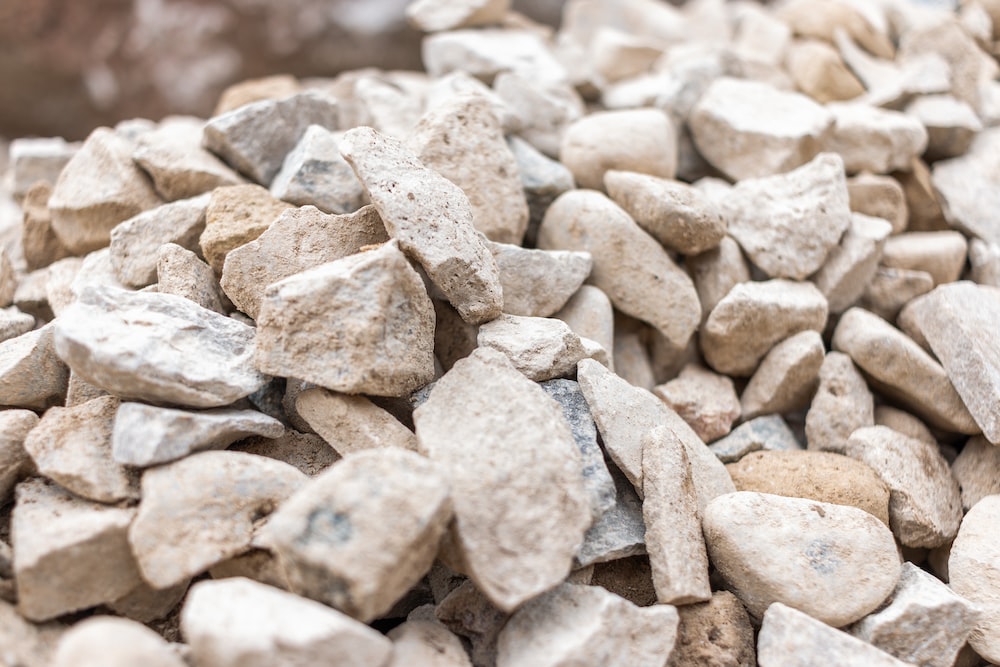
Limestone: Unveiling the Wonders of Earth's Ancient Rock
Limestone is a sedimentary rock that has played a significant role in shaping the Earth's landscape and human civilization for millions of years. Composed primarily of calcium carbonate, this unique rock formation holds a wealth of geological and historical significance. From its formation to its diverse applications, limestone continues to captivate scientists, architects, and enthusiasts alike.
Geological Formation:
Limestone's journey begins deep beneath the Earth's surface. It forms through the accumulation of marine fossils, shell fragments, and other organic remains, which undergo compaction and cementation over thousands of years. Most limestone originates in shallow marine environments, where organisms like coral, mollusks, and algae leave behind their calcium-rich shells upon death. Over time, these deposits build up, forming thick layers of sediment that eventually transform into limestone through the processes of lithification.
Varieties of Limestone:
Limestone exhibits a wide range of textures and colors due to variations in its mineral composition and geological history. Some common varieties include fossiliferous limestone, which bears visible traces of ancient marine life, and travertine, formed by mineral-rich hot springs. Additionally, limestone comes in various shades, from creamy white to warm beige and even deep gray, making it a versatile choice for architectural and decorative purposes.
Utilization in Construction:
Throughout history, limestone has been a preferred building material for countless structures, both ancient and modern. The Great Pyramid of Giza, the Parthenon in Greece, and many European cathedrals stand as enduring testaments to limestone's durability and timeless beauty. Its natural resistance to weathering, along with its ease of carving, make it ideal for intricate sculptures and ornamental details.
Limestone in Modern Industry:
In the contemporary world, limestone plays a crucial role in numerous industries. Crushed limestone is a key component in cement production, providing the essential calcium for binding materials together. The steel industry utilizes lime in the purification of iron ore, while agriculture relies on it to balance soil pH and enhance crop growth. Additionally, limestone is utilized as a flux in metallurgy and serves as an essential ingredient in various chemical processes.
Environmental Importance:
Beyond its geological and industrial significance, limestone also plays a vital role in environmental conservation. Limestone landscapes often feature rich biodiversity, with unique flora and fauna adapted to the alkaline conditions. Limestone caves, with their fascinating stalactites and stalagmites, harbor delicate ecosystems worth preserving.
In conclusion, limestone's rich geological history, aesthetic appeal, and wide range of practical applications make it a truly remarkable natural resource. From the ancient wonders of the world to modern-day construction and industry, limestone continues to shape our world and inspire admiration for the wonders of Earth's ancient rock. As we move forward, it is essential to balance the utilization of limestone with sustainable practices to ensure its preservation for future generations to appreciate and enjoy.