Harnessing Clean Air: The Power and Potential of UV Air Purifiers

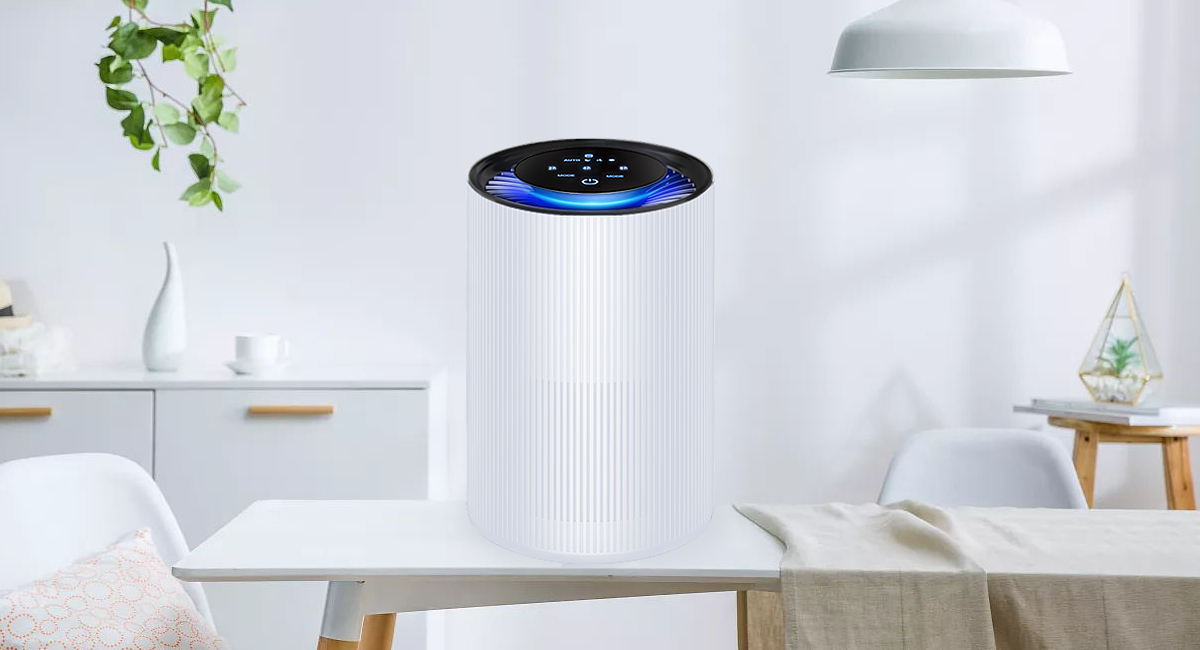
In an era where air quality is becoming an increasingly significant concern, the role of technology in mitigating indoor pollutants has taken center stage. One innovation that has garnered attention is the UV air purifier. This cutting-edge device is designed to enhance the quality of indoor air by utilizing the power of ultraviolet (UV) light to neutralize harmful microorganisms. Let's delve into the inner workings, benefits, and potential considerations of UV air purifiers.
Understanding UV Air Purification: UV air purifier, also known as UV germicidal irradiation cleaners, employ ultraviolet-C (UV-C) light to disinfect and purify indoor air. UV-C light possesses a shorter wavelength than UV-A and UV-B, making it highly effective at destroying microorganisms' DNA, including viruses, bacteria, mold, and other pathogens. These purifiers are usually integrated into HVAC (Heating, Ventilation, and Air Conditioning) systems or come as standalone units.
The Power of UV-C Light: The mechanism behind UV air purifiers is rooted in the destructive nature of UV-C light on the genetic material of microorganisms. When these microorganisms are exposed to UV-C light, their DNA structure becomes disrupted, rendering them unable to reproduce and causing their deactivation. This not only helps to eliminate harmful pathogens but also reduces the risk of infections spreading indoors.
Benefits of UV Air Purifiers:
-
Enhanced Air Quality: UV air purifiers significantly improve indoor air quality by targeting and neutralizing a wide range of pollutants, including viruses, bacteria, and mold spores.
-
Healthier Environment: By eliminating harmful microorganisms, UV air purifiers create a healthier living environment, particularly for those with respiratory issues or compromised immune systems.
-
Odor Removal: These purifiers can also break down volatile organic compounds (VOCs) responsible for unpleasant odors, leaving the air fresher and more pleasant.
-
Allergy and Asthma Relief: By reducing the presence of allergens like mold spores and dust mites, UV air purifiers can alleviate allergy and asthma symptoms for many individuals.
-
Energy Efficiency: UV air purifiers can be integrated into existing HVAC systems, helping to maintain cleaner coils and filters. This, in turn, enhances the efficiency of the HVAC system, potentially reducing energy consumption.
Considerations and Limitations: While UV air purifiers offer promising benefits, certain considerations are essential:
-
Placement: Proper placement is crucial for optimal effectiveness. The exposure of microorganisms to UV-C light is necessary for deactivation, so ensuring proper placement of the purifier within the airflow is important.
-
Ongoing Maintenance: Regular maintenance, including cleaning the UV lamps and replacing them when necessary, is vital to ensure consistent performance.
-
Limited Particle Removal: UV air purifiers excel at neutralizing microorganisms, but they might not be as effective in capturing larger particles like dust and pet dander. Consider pairing them with a mechanical filter for comprehensive air purification.
-
Safety Measures: Direct exposure to UV-C light can be harmful to humans, potentially causing skin and eye irritation. Proper design and safety measures are crucial to prevent accidental exposure.
In a world where indoor air quality is closely linked to overall well-being, UV air purifiers have emerged as a formidable solution. Their ability to neutralize harmful microorganisms and contribute to a cleaner, healthier indoor environment makes them a technology worth considering. However, it's essential to assess your specific needs, consult with experts, and ensure proper maintenance to harness the full potential of UV air purifiers. As we continue to prioritize the quality of the air we breathe, these innovations offer a breath of fresh, purified air for homes and businesses alike.