Fiber Reinforced Concrete: Revolutionizing Construction with Advanced Composite Materials

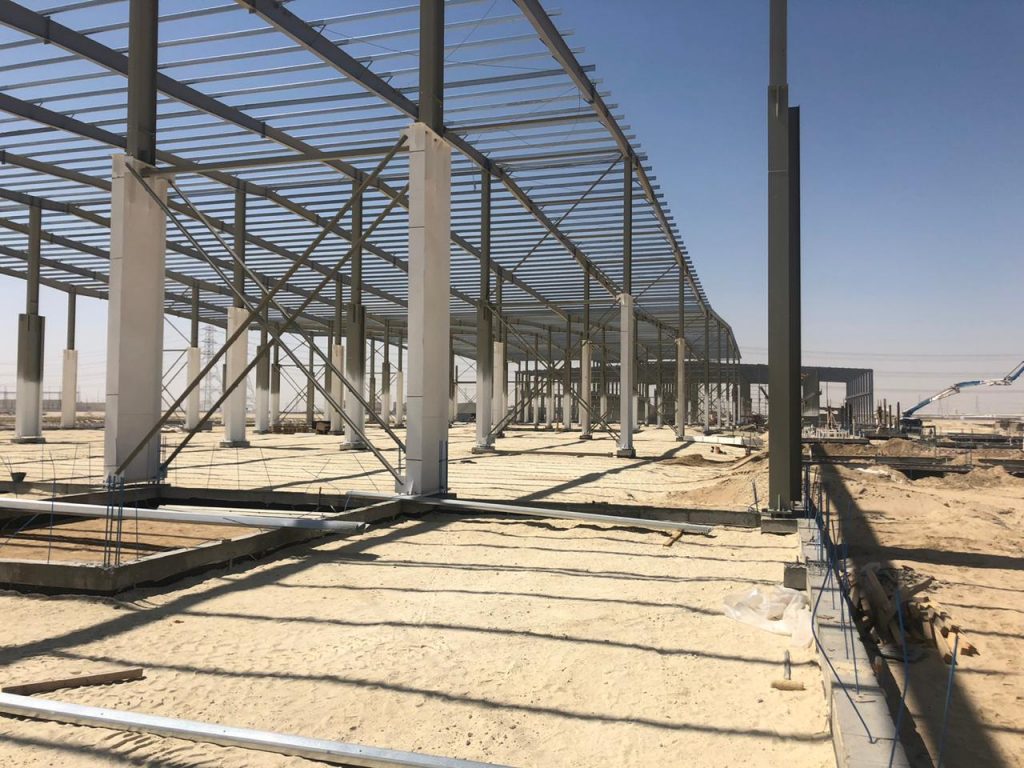
Fiber Reinforced Concrete (FRC) is a revolutionary construction material that combines the advantages of traditional concrete with the enhanced properties of fiber reinforcement. The inclusion of fibers, such as steel, glass, synthetic, or natural fibers, imparts unique characteristics to concrete, making it more resistant to cracking, improving flexural strength, and enhancing overall durability. This article explores the composition, benefits, applications, and future prospects of Fiber Reinforced Concrete.
Composition of Fiber Reinforced Concrete
Fiber Reinforced Concrete is created by mixing cement, water, fine and coarse aggregates, and the addition of discrete fibers. The fibers are uniformly distributed within the concrete mix, which can range from a few millimeters to a few centimeters in length, depending on the application and desired properties. Common types of fibers used include steel fibers, polypropylene fibers, glass fibers, and natural fibers like jute and sisal.
Benefits of Fiber Reinforced Concrete
-
Enhanced Durability: The inclusion of fibers in concrete significantly reduces crack propagation, thereby enhancing the material's durability and longevity. This is particularly beneficial in harsh environments, where traditional concrete may be susceptible to cracking due to thermal or mechanical stresses.
-
Increased Flexural Strength: The addition of fibers provides superior flexural strength to concrete, making it ideal for structures subject to bending or tension loads. Fiber Reinforced Concrete can support heavier loads and withstand higher impact forces, reducing maintenance costs and extending the life of the structure.
-
Improved Impact Resistance: FRC exhibits excellent impact resistance, making it suitable for structures vulnerable to impact, such as blast-resistant buildings, industrial floors, and pavements.
-
Crack Control: FRC effectively controls and minimizes cracks, even at early stages of the concrete curing process. This property is crucial for maintaining the structural integrity and aesthetics of the construction.
-
Enhanced Toughness: Fiber Reinforced Concrete displays superior toughness compared to traditional concrete, making it suitable for earthquake-prone regions or regions with high seismic activity.
Applications of Fiber Reinforced Concrete
Fiber Reinforced Concrete finds applications in various construction projects, including:
-
Bridge Decks and Pavements: FRC's ability to withstand heavy traffic loads and resist cracking makes it an excellent choice for constructing durable bridge decks and pavements.
-
Tunnels and Underground Structures: The enhanced durability and crack resistance of FRC are advantageous in tunnel linings and underground structures, where maintenance is challenging and costly.
-
Precast Elements: FRC is widely used in manufacturing precast concrete elements like pipes, panels, and blocks, which require high strength and durability.
-
Shotcrete Applications: In tunnel rehabilitation, slope stabilization, and repairs, fiber-reinforced shotcrete provides a reliable solution with increased resistance to spalling and improved toughness.
Future Prospects of Fiber Reinforced Concrete
As technology advances, the field of Fiber Reinforced Concrete is likely to witness further improvements and innovations. Researchers are continuously exploring new types of fibers, optimized mix designs, and manufacturing techniques to enhance FRC's mechanical properties, reduce costs, and make it more eco-friendly. Additionally, the integration of nanotechnology and smart materials into Fiber Reinforced Concrete opens up exciting possibilities for self-healing capabilities and improved structural monitoring.
Conclusion
Fiber Reinforced Concrete has emerged as a game-changer in the construction industry, offering an array of benefits that contribute to sustainable, durable, and economically viable structures. As engineers and researchers continue to explore new possibilities and refine existing techniques, Fiber Reinforced Concrete is destined to play a pivotal role in shaping the future of modern construction and infrastructure development.