Exploring the Marvels of Geocells: Revolutionizing Infrastructure and Environmental Conservation

Introduction
In the ever-evolving field of civil engineering, innovative solutions are constantly sought to address the challenges of infrastructure development and environmental preservation. One such groundbreaking technology that has gained significant attention is geocells. Geocells are an ingenious and versatile solution that holds the potential to revolutionize the way we approach construction and environmental protection. In this blog, we will delve into the world of geocells, understanding their benefits, applications, and their profound impact on sustainable development.
What are Geocells?
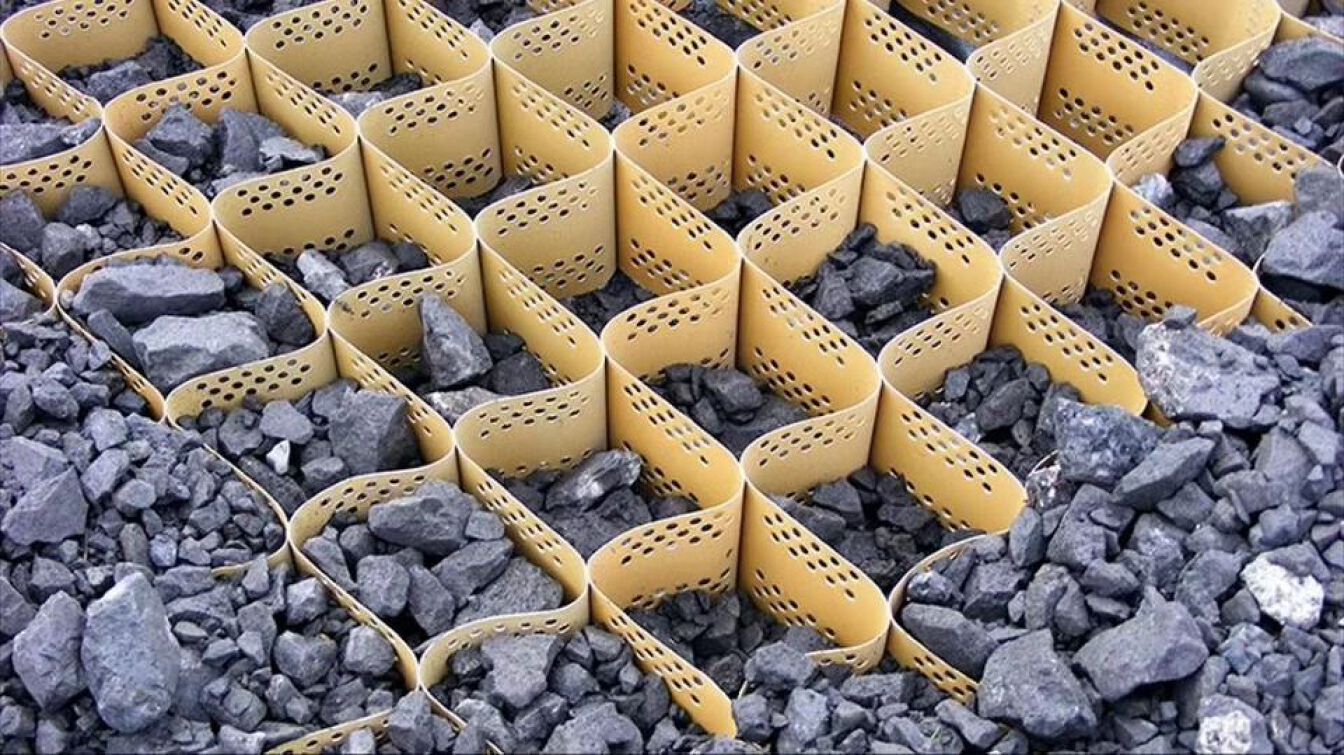
Geocells, also known as cellular confinement systems or geogrids, are three-dimensional, honeycomb-like structures made from high-density polyethylene (HDPE) or other materials. These interconnected cells create a stable, flexible platform when filled with materials like soil, sand, or aggregates. This confinement significantly improves load distribution, thereby reinforcing weak soils and providing robust support to various construction projects.
Applications of Geocells
-
Road Construction: Geocells play a crucial role in road development by mitigating challenges associated with soft or unstable soils. By confining and reinforcing the fill material, geocells enhance the load-bearing capacity of the road, extending its lifespan and reducing maintenance costs.
-
Retaining Walls and Slope Stabilization: Geocells are an effective solution for constructing retaining walls and stabilizing slopes. When filled with appropriate materials, these cells prevent erosion, landslides, and soil loss, ensuring the integrity of embankments and hillsides.
-
Landfills and Erosion Control: In landfill construction, geocells create a stable base for waste containment, reducing the risk of leakage and environmental contamination. Additionally, geocells are widely used for erosion control on steep slopes, riverbanks, and coastlines, preventing soil erosion and protecting sensitive ecosystems.
-
Load Support and Foundation Improvement: Geocells offer cost-effective solutions for load support and foundation improvement in various infrastructure projects, including railways, ports, and parking areas. By distributing loads uniformly, they prevent settlement and subgrade failure.
Benefits of Geocells
-
Cost-Effective: Geocells reduce the need for excessive excavation and the use of costly, high-quality fill materials. Their lightweight and modular nature make them easy to transport and install, further reducing project costs.
-
Environmental Sustainability: By providing an alternative to conventional materials, geocells help preserve natural resources and reduce the ecological impact of construction projects. Additionally, their erosion control properties aid in conserving ecosystems and protecting wildlife habitats.
-
Rapid Installation: Geocells can be deployed quickly and easily, accelerating project timelines. This feature is particularly advantageous in emergency situations like disaster relief and infrastructure repairs.
-
Versatility: Geocells are adaptable to various soil types and terrain conditions, making them suitable for a wide range of applications. Their flexibility enables engineers to design customized solutions for specific project needs.
Conclusion
Geocells have emerged as a game-changer in the field of civil engineering and environmental conservation. Their unique design and versatile applications make them indispensable in a wide range of projects, from road construction to ecological restoration. As we continue to face the challenges of sustainable development, geocells offer a promising solution to enhance infrastructure durability, reduce environmental impact, and promote overall ecological balance. Embracing this innovative technology can pave the way for a greener and more resilient future for generations to come.