Cement Board: The Versatile Building Material Revolutionizing Construction

Introduction:
In the world of construction, innovation plays a pivotal role in transforming the way we build structures. One such innovation that has gained immense popularity in recent years is cement board. This remarkable building material has been revolutionizing the construction industry, offering a wide range of benefits and applications. In this blog, we will explore what cement board is, its advantages, and the various ways it is changing the face of modern construction.
What is Cement Board?
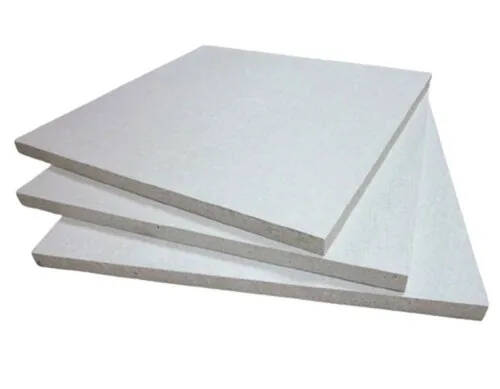
Cement board is a highly durable and versatile building material that is composed of a mixture of cement, fibers, and other additives. It comes in various thicknesses and sizes, making it suitable for a wide range of applications. The cement and fiber composition gives it exceptional strength and water resistance, making it ideal for both interior and exterior applications.
Advantages of Cement Board:
-
Water and Fire Resistance: One of the primary reasons cement board has gained popularity is its exceptional resistance to water and fire. Unlike traditional materials like plywood or gypsum board, cement board does not degrade when exposed to moisture, making it perfect for areas with high humidity, such as bathrooms and kitchens. Additionally, it has a high fire resistance rating, enhancing the safety of structures.
-
Strength and Durability: Cement board's composition gives it excellent strength and durability. It can withstand heavy loads and impacts, making it suitable for various structural and cladding applications.
-
Mold and Mildew Resistance: The non-organic nature of cement board makes it inherently resistant to mold and mildew growth, ensuring a healthier indoor environment.
-
Versatility: Cement board's versatility makes it suitable for a wide range of applications. It can be used as a substrate for tile and stone installations, siding for exteriors, underlayment for floors, and as a base for stucco and other finishes.
-
Easy Installation: Cement board is easy to work with, and it can be cut, drilled, and shaped using conventional tools. Its lightweight nature also facilitates easier handling during installation.
Applications of Cement Board:
-
Interior Walls and Ceilings: Cement board provides a robust and moisture-resistant surface for interior walls and ceilings, particularly in areas prone to humidity and moisture, like bathrooms and laundry rooms.
-
Exterior Cladding: As an exterior cladding material, cement board offers a durable and weather-resistant solution. Its ability to withstand the elements makes it an excellent choice for modern building facades.
-
Tile Backer: When used as a tile backer, cement board creates a stable and water-resistant surface for tile installations in bathrooms, kitchens, and other wet areas.
-
Floors: Cement board is often used as an underlayment for floors, providing a level and sturdy surface for various floor finishes.
Conclusion:
Cement board is undoubtedly a game-changer in the construction industry, offering a multitude of advantages over traditional building materials. Its remarkable strength, water and fire resistance, and versatility have made it a favorite among architects, contractors, and homeowners alike. As we continue to seek sustainable and efficient building solutions, cement board is likely to remain at the forefront of innovation, reshaping the way we construct buildings and spaces for generations to come.