Building the Future: Exploring the Advancements in Smart Building Technology

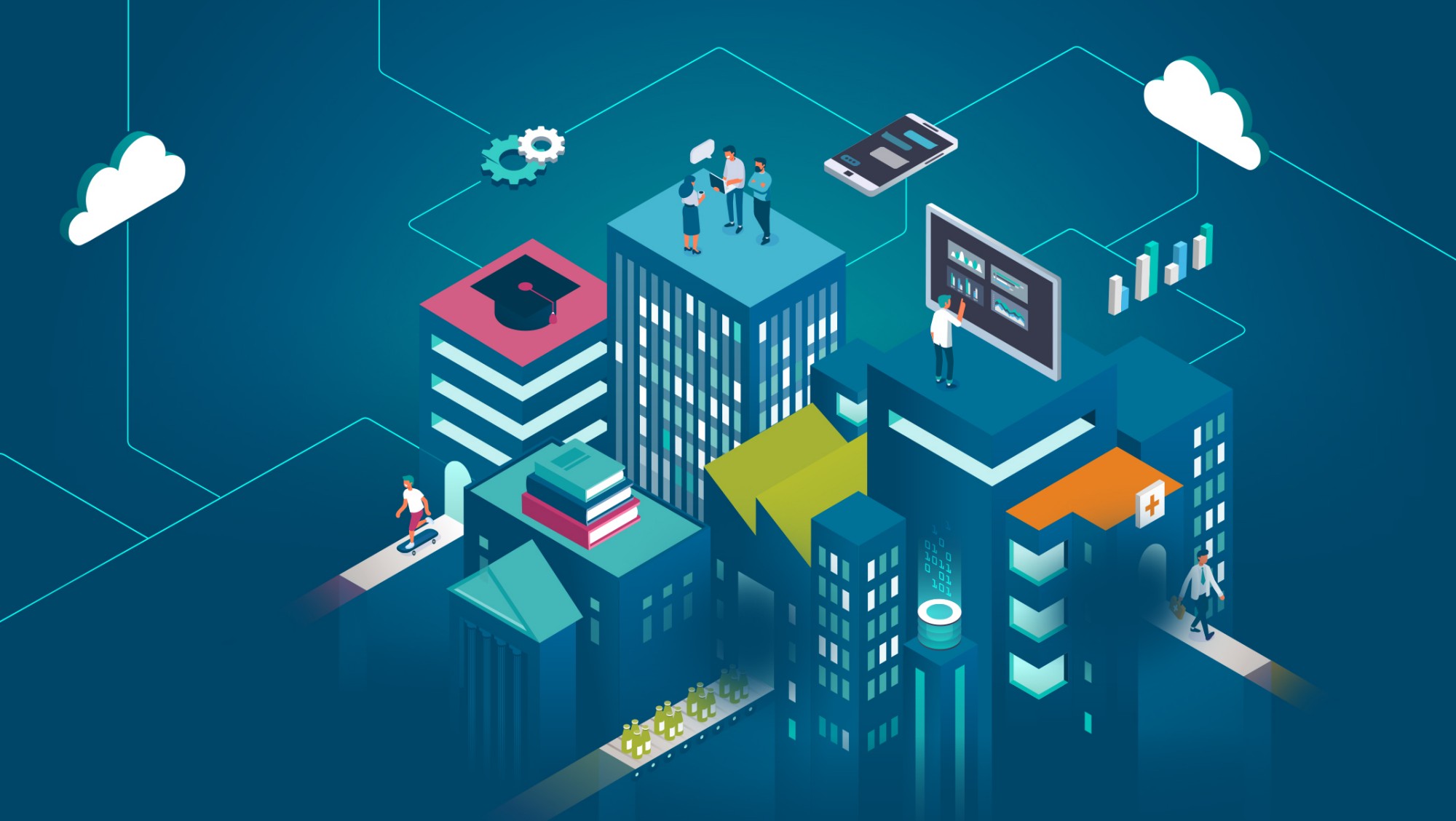
In the pursuit of a more sustainable and efficient future, smart building technology has emerged as a transformative force, reshaping the way we design, construct, and manage buildings. Smart buildings leverage cutting-edge technologies, including the Internet of Things (IoT), artificial intelligence (AI), and data analytics, to create connected and intelligent spaces that respond to the needs of occupants and optimize resource usage. From commercial complexes to residential properties, the advancements in smart building technology are driving a revolution in the construction industry and promising a more comfortable, secure, and sustainable future for building occupants.
One of the remarkable advancements in smart building technology lies in its focus on occupant comfort and well-being. Smart buildings use IoT sensors to monitor environmental conditions such as temperature, humidity, and air quality, enabling real-time adjustments to maintain a comfortable indoor environment. Automated climate control systems and adaptive lighting solutions ensure that energy is used efficiently while enhancing occupant comfort and productivity. Additionally, smart building technologies offer personalized experiences through features like mobile apps that allow occupants to customize their environment, such as adjusting lighting and temperature settings to their preferences. These enhancements not only create a more pleasant and productive living and working environment but also contribute to reduced energy consumption and lower carbon footprints.
Moreover, smart building technology is revolutionizing the way buildings are managed and maintained. AI-powered systems collect and analyze data from various sensors to predict and proactively address maintenance needs, optimizing asset management and reducing operational costs. Through predictive maintenance, building managers can detect potential issues before they become critical, preventing downtime and costly repairs. Additionally, smart building technologies enable remote monitoring and control, allowing building managers to manage and adjust building systems and security from anywhere, enhancing operational efficiency and security. The integration of data analytics and AI in building management is ushering in a new era of predictive and data-driven decision-making, making buildings more resilient, cost-effective, and sustainable.