3D Printing Extrusion Materials Market Dynamics: A Comprehensive Analysis of Emerging Trends

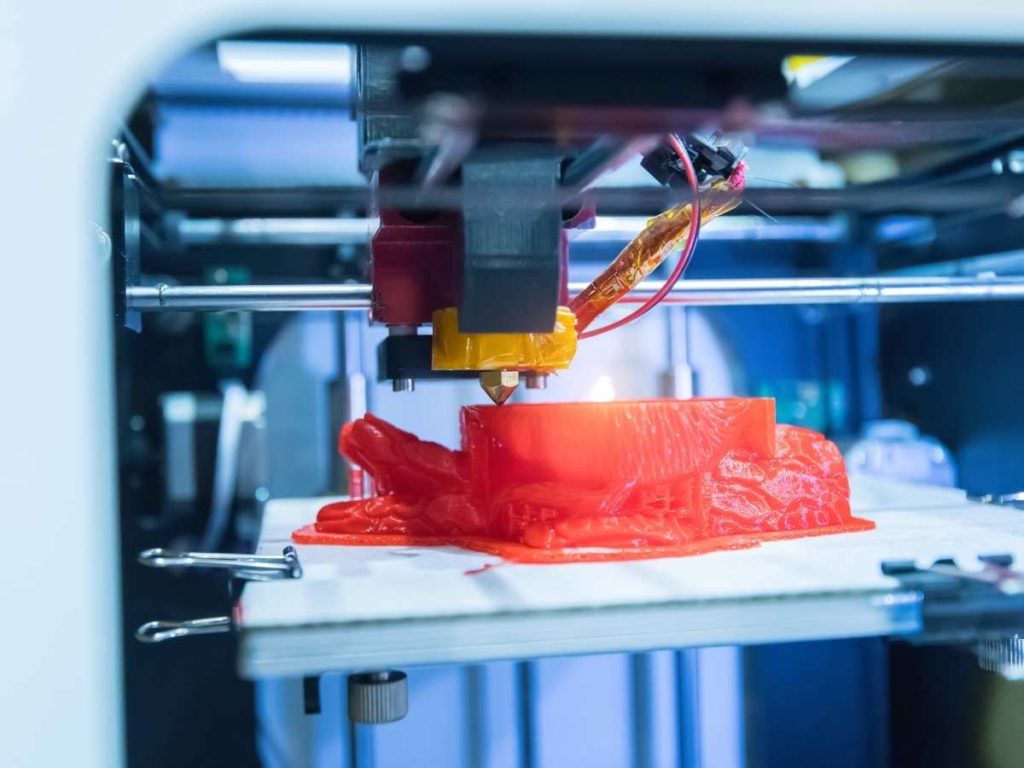
The 3D Printing Extrusion Materials Market is estimated to be valued at US$ 12.77 Bn in 2023 and is expected to exhibit a CAGR of 19% over the forecast period 2023 to 2030, as highlighted in a new report published by Coherent Market Insights.
Market Overview:
3D printing extrusion materials refer to thermoplastics and other high-performance materials used in fused filament fabrication (FFF) 3D printing technology. Key 3D printing extrusion materials include polylactic acid (PLA), acrylonitrile butadiene styrene (ABS), nylon, polycarbonates, polyvinyl alcohol (PVA), among others. These materials are available in filament or pellet form and assist in additive manufacturing applications across diverse industries.
Market key trends:
The 3D printing extrusion materials market is expected to witness significant growth over the forecast period, owing to increased adoption of 3D printing across manufacturing applications. One of the major trends fueling market growth is the increasing demand for enhanced and durable materials for engineering-grade 3D printing applications. Manufacturers are focusing on developing advanced 3D printing extrusion materials such as high-performance polymers, composites, and ceramics to expand applications in aerospace, automotive, and healthcare industries. Furthermore, the emergence of sustainable materials such as bio-based materials for 3D printing is also expected to present lucrative opportunities in the coming years. Key players are engaged in various inorganic growth strategies such as acquisitions, partnerships, new product launches, and collaborations to strengthen their market position.
Porter's Analysis
Threat of new entrants: Low capital requirements and ease of setting up 3D printing facilities have increased the threat of new entrants. However, established players have strong brand recognition and customer loyalty.
Bargaining power of buyers: Buyers have high bargaining power due to the availability of several material options from various manufacturers. They can negotiate on price and quality.
Bargaining power of suppliers: Suppliers have moderate bargaining power due to the availability of substitutes. However, suppliers of specialized materials have greater power.
Threat of new substitutes: New materials such as metal and ceramic powders pose a threat. However, polymers remain the dominant extrusion materials.
Competitive rivalry: Intense as major players compete based on price, quality, and new material development. Smaller firms differentiate based on niche applications.
SWOT Analysis
Strength: Wide material portfolio and application scope. Technology leadership of major players drives innovation.
Weakness: High R&D costs and capital requirements limit small players. Lack of standardized processes and materials.
Opportunity: Growing demand from industries like aerospace, automotive, healthcare, and consumer goods. Emerging applications in metal and ceramic 3D printing.
Threats: Stringent regulations over material toxicity. Economic slowdowns affect discretionary spending on 3D printing.
Key Takeaways
The global 3D Printing Extrusion Materials Market is expected to witness high growth, exhibiting CAGR of 19% over the forecast period, due to increasing adoption in industrial manufacturing. Rising applications in automotive, healthcare and aerospace industries will drive the demand for extrusion materials.
Regional analysis: North America dominates currently due to strong government support and presence of major players. However, Asia Pacific is expected to grow at the fastest pace owing to government initiatives, availability of cheap labor and growing manufacturing industry.
Key players operating in the 3D Printing Extrusion Materials market are 3D Systems Corporation, Stratasys Ltd., Materialise NV, EOS GmbH, Arkema S.A., SABIC, Evonik Industries AG, DuPont de Nemours Inc., BASF SE, Dow Chemical Company, HP Inc., Royal DSM N.V., EnvisionTEC GmbH, CRP Group., Carbon, Inc. These players are focusing on new product development and capacity expansion to strengthen their position.